Best Time to Water Grass in Summer – Lawn Watering Tips
Summer watering is easy to get wrong. This guide explains when to turn on your sprinkler, how much liquid your grass needs each week, and how to tell if you're overwatering or underwatering.


The best time to water grass in summer is early in the morning, before the sun gets high. This minimizes moisture loss due to evaporation. It also helps to know what you're growing, since different species absorb differently, and Botan can identify the grass from a photo.
When to Water the Lawn in Summer
Most experts specify that the best time is approximately 5 a.m. to 9 a.m. So, if you're not sure when to water the lawn in summer, choose this interval. At this period, the ground is still cool, and there's little wind, which allows liquid to soak down to the roots rather than being blown away. This rule works for almost any grass species and for almost any yard.
Morning watering has one more advantage. The blades dry as soon as the sun rises, and this prevents the grass from remaining wet overnight, when fungus can develop. Midday is the worst time to water with a hose. Half the moisture evaporates before it reaches the soil.
In July, watering timing is more important than in spring. In hot weather, grass quickly loses liquid through its leaves. Watering before the midday peak gives the plant a head start on the hottest part of the day.


Identify Your Plant
Scan the plant and get a result with 98% accuracy
How Often to Water Grass in Summer
How often to water grass in summer really depends on the conditions and your grass type. Warm-season grasses like Bermudagrass get by with less liquid, while cool-season species like fescue require more to stay green.
If you're unsure what type you have, take a photo to quickly identify grasses in your area and use that as a guide. Here's a rough guide to typical summer situations.
Condition | Grass type | Watering frequency | Tip |
Established lawn, moderate heat | Cool-season (fescue) | 1–2 times a week | Aim for 1 to 1.5 inches total |
Established lawn, hot dry spell | Cool-season | Let it go dormant, or soak lightly | Brown grass is usually just resting |
Active summer growth | Warm-season (Bermuda) | Once a week | A single deep soak is better than daily sprinkles |
Sandy soil | Any | 2–3 times a week | Use short cycles, as liquid drains quickly |
Clay soil or slope | Any | Once a week | Split watering into short cycles to prevent runoff |
Here, the calendar is less important than the lawn itself. As soon as you see the grass fade to a dull blue-green, get out the sprinkler.

Best Time to Water Lawn in Hot Weather
The midday heat makes its own adjustments. The best time to water the lawn in hot weather is still early morning, although a shorter evening session can also help. Cool-season grasses often stop growing and turn brown in extreme heat.
This is their dormant period, so don't panic and don't overwater them. A light watering every 2-3 weeks is enough.
Warm-season grasses tolerate heat much better. One good example is Korean lawngrass — it stays green in weather that would fry fescue. During prolonged dry periods, water deeply enough to reach down about 6 inches.
Sandy soil drains more quickly, so additional cycles may be necessary. A screwdriver inserted into the ground will show how deep the liquid has penetrated.
Signs of Lawn Underwatering or Overwatering
When maintaining an established lawn, it's not always obvious whether it needs more or less water. From a distance, soil that's too dry and too wet can look the same. Wilting, a bluish-gray tint, and marks left on the lawn are early signs of insufficient moisture.
On the other hand, look for fungi, moss, or a soft feel when walking on the lawn, which indicates excess water. The table below shows these two problems side by side to help you spot the difference.
Criterion | Underwatering | Overwatering |
Grass texture | Dry and brittle | Soft and mushy |
Color | Gray-blue, then brown | Yellow, pale green |
Footprints | Stay pressed for hours | Squish underfoot |
Soil | Hard and cracked | Soggy and spongy |
Roots | Short and shallow | Shallow with rot |
The quickest way to check soil moisture is to stick your finger into the soil before using the hose. It should be moist and loose, not dusty or muddy. Keep in mind that different soil types retain moisture differently, so a sandy lawn will dry out much faster than a clay lawn.
How Long to Water Your Lawn
The answer is clear — how long to water the lawn in summer depends on your sprinkler and your soil more than anything. Most irrigation systems apply about an inch of liquid per hour, so 25-30 minutes twice a week is usually enough.
Rotor heads are slower than pop-up heads, so they require more time. Clay soil retains moisture well, while sandy soil drains quickly. Apply slower watering on heavy soils to prevent runoff. Here are several rules for proper watering:
- Place several containers to see how much liquid your sprinkler applies.
- Water clay soil in short, intermittent cycles.
- For sandy soil, use less liquid but more frequently.
- After the procedure, check the depth with a screwdriver.
Use your own schedule, not your neighbor's, as a guide. This will help you develop the perfect pattern for your lawn.

6 Mistakes to Avoid When Watering Your Lawn
Most summer lawn problems stem from a few common mistakes. Learn these to help you avoid repeating them in the future:
- Watering in the middle of the day, when most of the liquid evaporates before it can be absorbed.
- Turning on the sprinkler after dark leaves the grass wet and susceptible to fungal diseases.
- Applying small amounts of liquid every day, which encourages the development of shallow roots that die during drought.
- Watering shortly after or just before rain.
- Leaving a broken sprinkler head, which ends up watering the sidewalk instead of the lawn.
- Estimating liquid amounts by eye instead of measuring them with a can or measuring gauge.
All of these mistakes are easy to correct once you notice them, and your lawn will usually look better within a week.
FAQ
Usually, yes, since a light watering rinses granular fertilizer off the blades and carries it down into the soil where the roots can take it up. Check the bag first, though, because weed-and-feed products are meant to stay on the leaves for a day or two, so watering too soon washes the weed killer away before it works.
Dariia Plaksina
Botanist
5 years of botanical research experience
Dariia Plaksina is a biologist, botanist, and writer of informational articles with over 5 years of experience exploring the world of plants, nature, and biology. She studied at Taras Shevchenko National University of Kyiv, Educational and Scientific Center “Institute of Biology and Medicine,” where she built a strong scientific foundation for her future work.
For Dariia, writing is a hobby, a calling, and a way to make reliable knowledge easier to understand. Her articles focus on plant care, plant health, and natural processes, helping readers learn more about the living world through clear, accessible, and science-based explanations.
Related Articles

5 min read · 28 Sept 2026
How to Winterize Your Garden in 6 Steps
Learn how to prepare your garden for winter with a practical six-step checklist covering cleanup, tender plant care, watering, mulching, winter protection, and winterizing equipment and containers.

6 min read · 15 Sept 2026
Can Plants Grow With Artificial Light?
Plants can grow under artificial light when the setup provides a suitable spectrum, enough intensity, and sufficient daily exposure. This guide explains how artificial lighting compares with sunlight, which options work indoors, and how to match a setup to houseplants.
4 min read · 14 Sept 2026
Is Sugar Water Good for Plants?
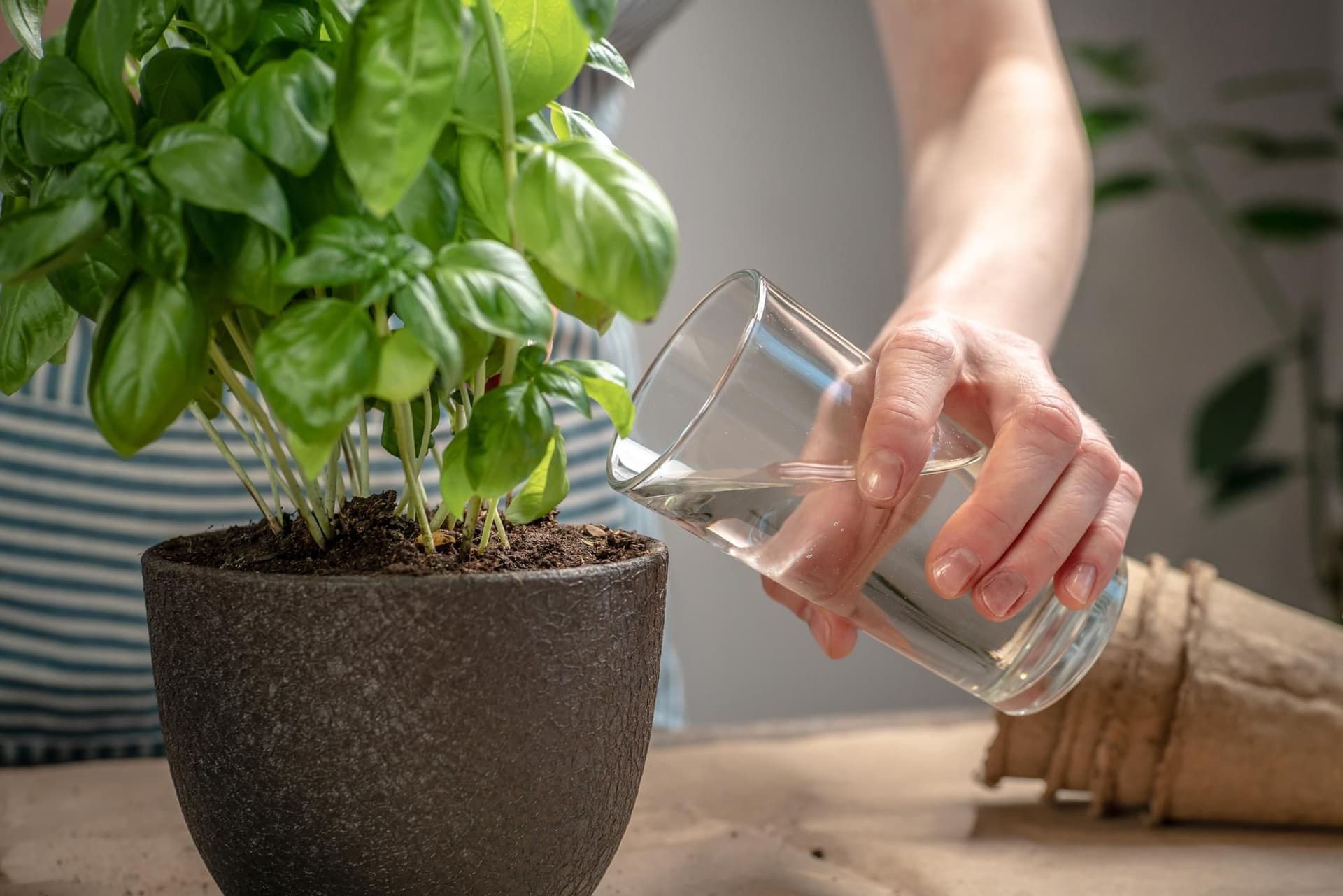
Sugar water may sound like an easy boost, but most rooted plants do not need extra sucrose. This guide explains how green tissues produce carbohydrates, when a sweetened solution can be useful, and why too much can cause problems.
Explore Plants by Care Needs



Identify the plant and problem. Help your plant recover
Identify plant problems early, understand what's wrong, and get clear care guidance. Botan helps you turn guesswork into confident plant care