Container depth choice
Use a deep, heavy container or pond basket so the roots can anchor firmly and the tall stems are less likely to lean or topple in wind or air movement.

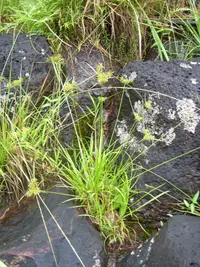
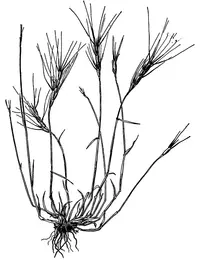
Dwarf papyrus (Cyperus haspan) is a compact, grass-like aquatic plant often grown in containers, ponds, and water gardens. It forms tight clumps of slender green stems topped with small umbrella-like whorls.
This species is native to warm, marshy regions in Africa, Asia, and the Americas, where it grows in shallow water or saturated soil. Its constant love of moisture makes it different from typical houseplants that prefer drier conditions.
The plant is considered fast growing under stable conditions, but it declines quickly if allowed to dry out. Light, warmth, and reliable water levels are the main factors that influence how to care for dwarf papyrus successfully.

Care Difficulty
Moderate Care

Light Preference
Full Sun

Water Requirements
Aquatic

Temperature Preference
Tropical / Frost Sensitive

Hardiness Zone
9–11

Soil Texture
Loamy, Silty, Organic-rich

Soil pH
Acidic (5.5–6.5), Slightly acidic (6.5–7.0)

Soil Drainage
Waterlogged tolerant

Fertilization
Light (every 4–6 weeks)
Scan your plant to receive care tips personalized for your specific plant
Available on iOS and Android
This wetland sedge prefers consistent, bright exposure without harsh, drying conditions.
This species thrives in constantly wet conditions and declines quickly if allowed to dry out.
This plant grows best in warm, frost-free conditions typical of subtropical wetlands.
This species needs constant high humidity to thrive and should never be kept in dry indoor air.
Soil for Cyperus haspan should stay saturated, mimicking shallow marsh or pond margins.
This species is very suitable for container growing, especially in water gardens and patios.
Cyperus haspan grows fastest with consistent feeding during the warm growing season.
Pruning Cyperus haspan helps maintain a tidy clump and encourages fresh, vigorous stems.
This species forms dense, fibrous clumps that benefit from occasional division and moving to fresh substrate.
Cyperus haspan is commonly propagated by division and by using stem sections with attached crowns.
This warm-temperate wetland plant has low frost tolerance and needs protection in cold climates.

Plant Health Check
Not sure what's wrong with your plant? Check your plant's health inside the app.
This species quickly spreads in shallow water and muddy margins by producing many slender stems from short rhizomes, helping it stabilize soils in ditches, rice fields, and wet pastures across tropical and subtropical regions.
The plant forms tight clumps of thin, erect stems topped with small umbrella-like clusters of bracts, a reduced version of the larger structures seen in papyrus relatives but adapted to shallow, periodically disturbed habitats.
It is adapted to environments with fluctuating water levels, tolerating both standing water and temporary drawdowns, which allows it to persist in seasonally flooded wetlands and disturbed aquatic edges.
Yellowing usually comes from older stems aging out, low light, nutrient deficiency, or water quality issues such as high salts. Trim oldest or fully yellow stems, refresh water or soil, and provide balanced fertilizer at low strength.
Keep your plants happy and healthy with plant identification, disease detection, and easy care guidance.