curved sicklegrass Care (Parapholis incurva)

Also known as: Sickle Grass, Curved Hard-grass, coastal barb grass, Coast Barb Grass

About curved sicklegrass

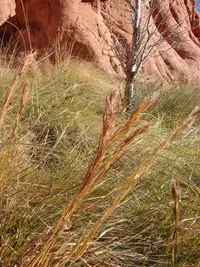
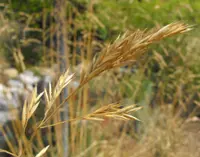
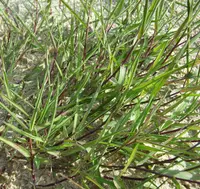
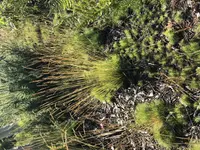
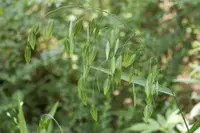
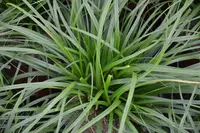
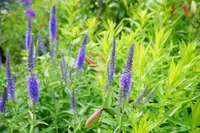
Curved sicklegrass (Parapholis incurva) is a small annual grass found mainly in coastal areas, salt marshes, and disturbed sandy or gravelly soils. It forms low tufts with slender, curved flower spikes that give the plant its common name.

This species often grows in saline or compacted sites where many other plants struggle, so it is considered quite resilient. Its modest size and simple structure make identification straightforward once the curved seed heads are familiar.

Gardeners who care for curved sicklegrass usually encounter it as a self-sown grass in coastal or dry, open settings. It generally prefers full sun, periodic moisture, and well-drained, often sandy or rocky soils.

Main Plant Requirements

Care Difficulty

Easy Care

Light Preference

Full Sun

Water Requirements

Regular Water

Temperature Preference

Cool Climate

Hardiness Zone

6–9

Soil Texture

Sandy, Loamy, Silty

Soil pH

Slightly acidic (6.5–7.0), Neutral (7.0)

Soil Drainage

Moist but well-drained

Fertilization

Minimal (feed rarely)

Get Personalized Care Plan

Scan your plant to receive care tips personalized for your specific plant

Available on iOS and Android

How to Care for the curved sicklegrass

This coastal annual grass prefers open, bright sites with direct sun exposure.

  • Provide 6–8 hours of full sun daily; morning and midday sun promote dense, upright growth in curved sicklegrass.
  • Tolerates light partial shade, especially in late afternoon, but prolonged shade reduces tillering and seed production.
  • In hot inland summers, protect from intense reflected afternoon sun to limit leaf scorch and drying; in winter, avoid deep shade from buildings or shrubs to maintain vigor.

This salt-tolerant grass prefers consistently moist but not stagnant soil.

  • Water when the top 2–3 cm of soil feel just barely dry; leaves folding or dull gray-green color suggest Parapholis incurva is staying too dry.
  • Use freely draining, sandy or loamy soil so extra water runs off; avoid standing water for more than 24 hours to reduce root rot risk.
  • Increase watering frequency during hot, windy weather; reduce in cool seasons, but prevent complete drying that causes leaf tip browning and sparse growth.

This species is adapted to mild coastal climates with cool to warm conditions.

  • Optimal growth occurs around 55–75°F (13–24°C), typical of maritime spring and early summer conditions.
  • Plants tolerate down to about 25°F (-4°C) for short periods, but repeated hard frosts and frozen soil can damage crowns and reduce survival.
  • In hot spells above 86°F (30°C), growth slows and foliage may yellow; provide soil moisture and avoid heat-reflective surfaces to limit stress.

Humidity is not a major factor for Parapholis incurva, which adapts well to typical outdoor conditions.

  • Performs reliably in 30–60% humidity, similar to most temperate outdoor environments.
  • Tolerates dry air without supplemental humidity, making caring for curved sicklegrass straightforward in most climates.
  • Watch for leaf tip browning and slowed growth only when combined with drought or heat stress, rather than humidity alone.

Parapholis incurva prefers light, fast-draining, mineral soils that mimic coastal or sandy habitats.

  • Use a sandy or sandy-loam mix, such as 60–70% coarse sand with 30–40% loam or composted material.
  • Ensure very sharp drainage; standing water or heavy clay quickly leads to root decline and stunted growth.
  • Aim for slightly alkaline to neutral pH (7.0–8.0), often achieved naturally in calcareous or coastal sands.
  • Improve aeration and drainage by mixing in coarse sand or fine grit rather than peat-heavy, compacting substrates.

This species can be grown in containers when provided with a shallow, fast-draining setup that mimics sandy ground.

  • Select a wide, shallow container to accommodate its fibrous, surface-oriented roots and natural spreading habit.
  • Use a very gritty, sand-dominant mix so water exits quickly, preventing root stress in confined substrate volumes.
  • In windy sites, choose a heavier pot material or weight the base to keep the lightweight, grass-filled container from tipping.

This small annual grass has low nutrient demand, so fertilizing focuses on supporting light, steady growth without forcing lush, weak foliage.

  • Use a balanced, diluted liquid fertilizer (around 10-10-10) at 1/4–1/2 strength if soil is poor or plant is container-grown.
  • Feed every 4–6 weeks during the active growing season, only when plants show pale foliage or reduced vigor.
  • Skip feeding during winter or dormancy; excess nutrients at this time encourage weak, floppy growth.
  • In lean native or coastal-style plantings, caring for curved sicklegrass can rely on moderately fertile soil without routine fertilization.

Parapholis incurva needs only light pruning to keep small patches tidy and prevent unwanted reseeding.

  • Best timing is late spring to midsummer, after seed heads form but before they shatter widely.
  • Shear or clip back spent flower spikes and dry, damaged, or lodging stems using clean scissors or hand shears.
  • Removing old tops encourages fresher foliage and can maintain a denser, lower clump-forming look.
  • In naturalistic plantings, limit pruning to removing dead patches or thinning crowded areas to maintain airflow.

This annual grass is usually grown in the ground, so management focuses on occasional transplanting rather than long-term pot culture.

  • Transplant young Parapholis incurva seedlings in early to mid-spring, before roots knit deeply into the soil.
  • Move plants only if growth is poor, clumps are overly crowded, or container roots begin circling and drainage declines.
  • Lift with a small trowel, keeping as much root ball and surrounding soil intact as possible to limit shock.
  • Replant at the same depth, water gently but thoroughly, and shade lightly for a few days to reduce stress and help re-establishment.

New Parapholis incurva plants are most reliably raised from seed rather than from division or cuttings.

  • Collect mature seed heads in late summer when spikelets turn tan and feel dry to the touch.
  • Sow seeds in early spring on the soil surface or barely covered, as light improves germination in many small grasses.
  • Provide consistent moisture and moderate temperatures around 60–70°F until seedlings establish.
  • Thin crowded seedlings to improve airflow and reduce competition, leaving 5–10 cm spacing for compact clumps.

This small coastal annual tolerates cool conditions but usually completes its life cycle before hard winter weather sets in.

  • In mild coastal climates, no special winter care is needed once seed has set and plants die back naturally.
  • In colder areas, allow plants to self-sow, then leave some dry foliage as a light mulch over the soil surface.
  • Container-grown plants can overwinter outdoors in USDA zones where sustained temperatures below 20°F are unlikely.

Care Tips

Rotate Seed Trays

Rotate flats or pots 90° every 2–3 days under lights or by a bright window so seedlings develop even, upright growth instead of leaning and lodging to one side.

Simulate Coastal Wind

Run a small fan on low for a few hours a day across young plants to mimic coastal breezes and encourage shorter, stronger stems that are less likely to flop.

Controlled Shear Back

Lightly trim the tops by 2–3 cm once the stand is established to promote denser, turf-like growth and reduce the risk of seed heads making the clumps top-heavy.

Salinity Tolerance Testing

If using this species in coastal or salt-affected sites, trial a small patch first with slightly saline irrigation to confirm local tolerance levels before sowing larger areas.

Seed Bank Management

To limit self-seeding where spread is not desired, cut and remove inflorescences before they fully mature, which gradually depletes the soil seed bank while still allowing you to continue growing curved sicklegrass in a controlled area.

Common Pests and Diseases

Smuts

This disease affects the flowering spikes and seeds, replacing normal seed tissue with dark powdery fungal spores. Symptoms include distorted seed heads and reduced seed set in dense, moist stands.

Solution

Remove and dispose of heavily affected seed heads before spores fully mature, and avoid moving contaminated plant material or soil to new areas. Reduce overcrowding and excessive irrigation, and if growing curved sicklegrass for seed, rotate with non-grass species to reduce the soil spore load over time.

Rust fungi

This disease causes small orange to brown pustules on leaves and stems, often appearing in humid coastal or marshy sites. Symptoms include premature yellowing and reduced vigor in dense patches.

Solution

Cut back and remove infected foliage to reduce spore sources, and improve air movement by thinning overly dense stands. Avoid overhead watering, especially late in the day, and remove nearby volunteer grasses that can act as alternate hosts when practical.

Leaf spot complex

This disease presents as small tan, brown, or purplish spots that may merge into larger lesions on leaves, especially under prolonged leaf wetness. Symptoms include gradual thinning of patches and reduced growth in stressed plants.

Solution

Mow or trim to remove heavily spotted foliage and discard it, then let new growth develop under drier, better-aerated conditions. Limit unnecessary irrigation, water at soil level where possible, and avoid high nitrogen fertilization that encourages soft, susceptible leaf tissue.

Aphids

These insects feed on tender grass tissues and flowering parts, sucking sap and sometimes causing curling or distortion of inflorescences. This pest can also excrete sticky honeydew that may encourage sooty mold on nearby plants.

Solution

Rinse colonies from stems and seed heads with a firm stream of water, and encourage natural predators such as lady beetles by minimizing broad-spectrum insecticides nearby. For persistent outbreaks, apply a light horticultural soap spray directed at the insects, repeating as needed while avoiding application during high heat or full midday sun.

Armyworms and cutworms

These insects feed on leaves and young shoots, sometimes creating ragged leaf edges or thinning patches in low coastal or disturbed sites. Symptoms include chewed foliage and, in heavier infestations, small bare spots in the stand.

Solution

Inspect plants at dusk or early morning and hand-pick visible caterpillars where infestations are small, disposing of them away from planting areas. For larger problems, use targeted biological controls such as Bacillus thuringiensis (Bt) products labeled for caterpillars, applied according to label directions, and reduce nearby weedy grasses that serve as alternative hosts.

Interesting Facts

Characteristic curved spikes

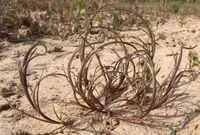
This small coastal grass is easily recognized by its tightly curved, sickle-shaped flower spikes, which bend over as they mature and give the species its common name, curved sicklegrass.

Specialist of salty shores

Parapholis incurva commonly grows on sandy or muddy shores, saltmarsh margins, and coastal paths, showing a high tolerance for saline and periodically waterlogged soils.

Mediterranean origin, wider spread

Originally described from Mediterranean coasts, this annual grass has spread along shorelines in western Europe, parts of North America, and other temperate regions, mainly following human-altered coastal habitats such as ports and disturbed dunes.

Botan icon

Did you know?

In some regions outside its native range, Parapholis incurva is monitored as a locally invasive coastal grass because it can form low, dense stands that alter the composition of small, open plant communities on disturbed saltmarsh fringes and upper beaches.

FAQs about curved sicklegrass

This species grows quickly under cool, moist conditions, often completing its life cycle within a single growing season. It can establish and set seed in a few months, especially in disturbed or coastal saline soils.

Grow Healthy Plants with Botan Care

Keep your plants happy and healthy with plant identification, disease detection, and easy care guidance.


Botan plant care app — identify plants on mobile

Explore More Plants