Pale Grass Lily Care (Caesia parviflora)

Pale Grass Lily

About Pale Grass Lily

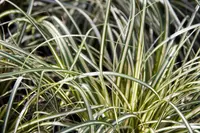
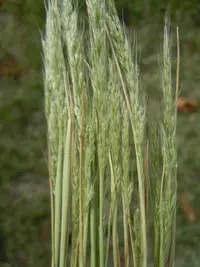
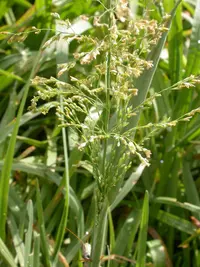
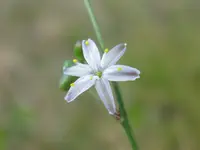
Pale grass lily (Caesia parviflora) is a small, clump-forming perennial from the asparagus family. It has fine, grass-like leaves and slender stems with tiny, star-shaped white to pale blue flowers.

This species is native to Australia, where it grows in open woodlands and grasslands, often in well-drained, sandy or loamy soils. It tends to be low and delicate in appearance, suiting naturalistic plantings and rock gardens.

The plant is generally considered undemanding, provided it has good drainage, moderate moisture, and sun to light shade. These traits make it relatively straightforward to care for Pale Grass Lily in suitable climates.

Main Plant Requirements

Care Difficulty

Moderate Care

Light Preference

Partial Sun

Water Requirements

Moderate Water

Temperature Preference

Warm Climate

Hardiness Zone

8–11

Soil Texture

Sandy, Loamy, Rocky

Soil pH

Acidic (5.5–6.5), Slightly acidic (6.5–7.0)

Soil Drainage

Well-drained

Fertilization

Minimal (feed rarely)

Get Personalized Care Plan

Scan your plant to receive care tips personalized for your specific plant

Available on iOS and Android

How to Care for the Pale Grass Lily

This small tufted perennial prefers bright conditions with protection from harsh extremes.

  • Provide 4–6 hours of sun daily, ideally gentle morning sun with light afternoon shade, as Pale Grass Lily foliage can scorch in intense mid‑afternoon summer sun.
  • Grow in open woodland edges or lightly filtered light; dappled shade for part of the day helps prevent stress in hotter regions.
  • If flowering declines or leaves become weak and floppy, the site is likely too shaded; move to a slightly brighter position, especially in spring.

This species prefers evenly moist but not saturated soil, especially during active growth.

  • Water when the top 2–3 cm of soil feels dry, allowing surface drying between waterings while keeping the root zone slightly moist.
  • Use well‑drained, sandy or loamy soil; persistent puddling, sour smell, or yellowing, limp leaves indicate overwatering or poor drainage.
  • In hotter months, monitor more often and increase watering during prolonged dry spells; in cooler seasons, reduce frequency if soil stays damp for longer than 3–4 days.

This grass‑like perennial is adapted to mild climates with cool to warm conditions.

  • Optimal growth occurs around 60–77°F (16–25°C), with strongest performance in spring and autumn when extremes are limited.
  • Plants tolerate brief light frosts down to about 25°F (−4°C), but prolonged freezing or hard frosts can damage foliage and reduce flowering.
  • In hot summers above 86°F (30°C), provide mulch and partial shade to keep roots cooler and reduce heat stress, especially in exposed positions.

Caesia parviflora handles a wide humidity range and usually needs no special adjustment in typical indoor air.

  • Target 30–60% humidity, as Pale Grass Lily is naturally tolerant of relatively dry, open habitats.
  • Leaves staying firm and upright indicate adequate humidity; folding, tip-burn, or dull, papery foliage can suggest air is too dry or hot.
  • If air is very dry near heating or strong sun, move the pot a short distance away or place it near other plants rather than misting.

This species prefers sandy to loamy, well-structured soil that drains quickly yet holds some moisture around the fine roots.

  • Use a mix of roughly 50% sandy or loamy garden soil, 30–40% coarse sand, and 10–20% compost to balance drainage and nutrient supply.
  • Aim for slightly acidic to neutral pH, around 6.0–7.0, which supports nutrient availability and root activity in Caesia parviflora.
  • In heavy or clay soils, incorporate coarse sand or fine gravel to improve aeration and prevent waterlogging around the root zone.
  • Avoid dense, high-peat or compacted substrates that stay wet for long periods, as this increases the risk of rot and weak growth.

This species is suitable for container growing, especially for small outdoor displays or collections.

  • Choose a container at least 20–25 cm deep so the narrow, fibrous roots can explore vertically without circling tightly near the base.
  • Use a heavy or wide-based pot if exposed to wind, as the upright, grassy foliage can make the container prone to tipping.
  • Raise the pot slightly on feet or bricks so drainage holes stay clear and runoff can escape quickly after heavy rain or watering.

This small perennial needs only light feeding, especially in lean or sandy soils, when caring for Pale Grass Lily.

  • Use a balanced, dilute liquid fertilizer (for example 10-10-10 at 1/4–1/2 strength) in spring and early summer.
  • Apply every 4–6 weeks during active growth if foliage looks pale or growth is weak.
  • Avoid fertilizing in late fall and winter when growth slows or the plant is dormant.
  • Do not overapply compost or fertilizer, as excess nutrients can reduce flowering and cause weak, lush foliage.

Caesia parviflora needs minimal pruning, mainly to keep the clump tidy and flowering well.

  • In late winter or early spring, cut back old, dry foliage with clean scissors or hand shears.
  • Remove dead, diseased, or damaged leaves and spent flower stalks at the base to encourage fresh growth.
  • Thin out crowded clumps by removing a few older fans to maintain airflow and reduce rot risk.
  • Disinfect tools before and after use to limit disease spread between plants.

This species is usually grown in the ground, so focus on occasional transplanting rather than frequent repotting.

  • Move clumps in early spring or early fall, when temperatures are mild and rainfall is more reliable.
  • Look for signs such as congested clumps, bare centers, or slow growth as indicators that division and transplanting are due, typically every 3–5 years.
  • Lift the clump carefully with a fork, divide into smaller sections with healthy roots, and replant at the same depth in well-drained soil.
  • Water thoroughly after transplanting, then keep soil evenly moist but not waterlogged for several weeks to reduce root stress.

This plant is commonly propagated by division or seed to expand plantings or renew older clumps.

  • Divide mature clumps in early spring or early fall, lifting gently and separating fans with roots attached.
  • Replant divisions immediately in well-drained soil, water in, and keep evenly moist until new growth establishes.
  • Collect ripe seed and sow in trays or pots with a free-draining mix, barely covering the seed.
  • Provide bright, indirect light and cool to mild temperatures for germination, which may be slow and staggered.

In many temperate areas this species is fairly cold hardy and often needs only basic winter care.

  • Tolerates light to moderate frosts once established, but very hard freezes may damage foliage.
  • Apply a 3–5 cm layer of mulch around the root zone in late fall, keeping it just clear of the crowns.
  • In very cold climates or exposed sites, grow in containers and move pots to a sheltered, frost-free spot for winter.

Care Tips

Clump Renewal

Divide crowded clumps every 3–4 years in late winter or early spring, replanting small, healthy fans to keep plants vigorous and prevent die-out in the center.

Seed Bank Management

Allow some seed to mature and fall in place, then lightly rake or disturb the top 0.5–1 cm of soil in autumn to encourage a natural seed bank and maintain a self-sustaining population.

Companion Groundlayer

Use this species as a fine-textured groundlayer beneath open, light-canopy shrubs or trees, which helps protect its shallow roots from heat and reduces competition from coarse lawn grasses.

Low‑Impact Weeding

Hand-weed using a narrow trowel or hori-hori knife, loosening soil a few cm away from the plant to avoid damaging its fibrous, shallow root system.

Drought Buffer Mulch

Apply a very thin, open-textured mulch layer (such as fine gravel or 0.5–1 cm bark) around but not on top of the crowns to reduce surface drying while keeping the crown itself exposed when caring for Pale Grass Lily.

Common Pests and Diseases

Scale insects

This pest feeds on plant sap, often along the narrow leaves and bases of the clumps, causing gradual yellowing and reduced vigor in Caesia parviflora. Symptoms include sticky honeydew and sooty mold developing on nearby surfaces.

Solution

Remove light infestations by gently rubbing insects off with a cloth or soft brush, or by pruning the most affected leaves. For heavier infestations, use repeated applications of a horticultural oil or insecticidal soap, ensuring good coverage along leaf bases and sheaths while improving plant vigor with correct watering and light fertilization.

Mealybugs

These insects sometimes shelter in the tight leaf bases and crowns, sucking sap and weakening plants, especially in containers or sheltered garden positions. Symptoms include white cottony clusters, distorted new growth, and slow decline.

Solution

Isolate container plants, then dab visible mealybugs with cotton swabs dipped in isopropyl alcohol or wash foliage with a strong stream of water. Follow with 2–3 treatments of insecticidal soap or horticultural oil at 7–10 day intervals, paying close attention to leaf bases and the crown area while avoiding waterlogging of the soil.

Leaf spot

This disease can appear in humid, poorly ventilated sites, causing small brown or tan lesions on the narrow leaves that may merge and lead to premature browning. Symptoms include scattered spots that often start on older foliage close to the soil line.

Solution

Remove and discard affected leaves to reduce inoculum, then improve air circulation by thinning crowded clumps and avoiding overhead watering where possible. If spotting continues to spread in wet conditions, apply a suitable ornamental grass-safe fungicide according to label directions and maintain good sanitation by removing spent foliage.

Crown rot

This disease occurs mainly in heavy or poorly drained soils, leading to soft, discolored tissue at the base of the clump and sudden collapse of foliage. Symptoms include yellowing leaves that pull away easily from a mushy crown.

Solution

Dig up and discard severely affected plants, including surrounding soggy soil, and avoid replanting in the same poorly drained spot. For prevention, plant Caesia parviflora in well-drained, sandy or loamy soil, raise beds if necessary, and water deeply but infrequently so the crown dries between waterings, which is critical for reliable Caesia parviflora care.

Interesting Facts

Subtle blue flowers

This small monocot produces delicate, star-shaped blue to lilac flowers with six tepals, usually only a few millimeters across, that open briefly in good light and are easily overlooked in the surrounding grass.

Fine grasslike foliage

Despite being related to lilies, it forms narrow, linear leaves that mimic surrounding grasses, which helps it blend into open woodland and grassland habitats and makes the plant inconspicuous when not in bloom.

Tiny capsule seeds

After flowering, it develops small, three-lobed capsules containing only a few hard, dark seeds, an adaptation that supports short-distance dispersal within stable, localized populations in its native range.

FAQs about Pale Grass Lily

This species forms small, clumping tufts and spreads slowly by short rhizomes and self-seeding. It does not behave aggressively or overwhelm neighboring plants under normal garden conditions, even in light, sandy soils.

Grow Healthy Plants with Botan Care

Keep your plants happy and healthy with plant identification, disease detection, and easy care guidance.

Botan plant care app — identify plants on mobile

Explore More Plants