Encourage deep roots
Mow or trim lightly once per year in late winter to remove old seedheads, which encourages new basal growth and supports deeper, more drought-resilient roots.

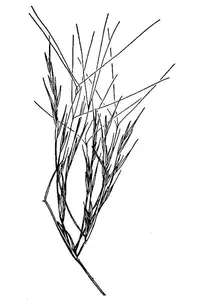
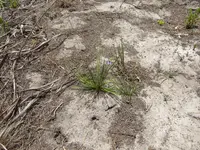
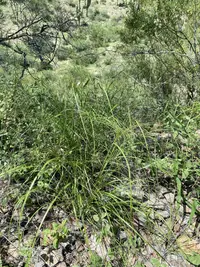
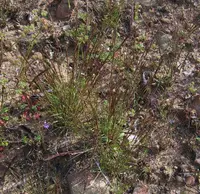
California threeawn (Aristida californica) is a small, fine-textured perennial bunchgrass native to arid regions of the southwestern United States and northern Mexico. It often grows on rocky slopes, washes, and desert grasslands.
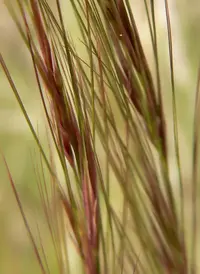
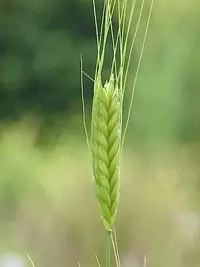
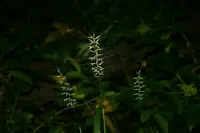
Plants form loose clumps with narrow leaves and airy seed heads that carry long, decorative awns. The overall look is delicate but adapted to heat, sun, and drought.
This species is generally tough and low-maintenance once established, but it needs well-drained soil and does not tolerate heavy watering or rich, wet ground. Gardeners who want to care for California threeawn should understand its desert origins and avoid overwatering or dense planting around it.

Care Difficulty
Easy Care

Light Preference
Full Sun

Water Requirements
Low Water

Temperature Preference
Warm Climate

Hardiness Zone
8–11

Soil Texture
Sandy, Loamy, Rocky

Soil pH
Slightly acidic (6.5–7.0), Slightly alkaline (7.0–7.5)

Soil Drainage
Well-drained

Fertilization
Minimal (feed rarely)
Scan your plant to receive care tips personalized for your specific plant
Available on iOS and Android
This drought-adapted grass prefers strong, direct light typical of open desert or scrub habitats.
This species is strongly drought tolerant and prefers dry, fast-draining conditions once established.
This warm-season bunchgrass thrives in hot, arid to semi-arid climates with mild winters.
This desert bunchgrass tolerates very low humidity and does not need extra moisture in typical indoor or outdoor conditions.
This species prefers very lean, sandy soil with rapid drainage and minimal organic matter.
This grass can be grown in containers if the pot and medium are managed to stay very free-draining and dry between waterings.
This desert-adapted grass needs little feeding, so focus on avoiding excess nutrients rather than boosting growth.
Pruning Aristida californica is minimal and mainly supports appearance and plant health rather than forcing new growth.
This bunchgrass is more often transplanted in the landscape than kept as a long-term container specimen.
Propagation of Aristida californica is possible from seed or small clump division, mainly for habitat or dry garden plantings.
This species is generally cold hardy in its native range and needs little winter care in mild, dry climates.

Plant Health Check
Not sure what's wrong with your plant? Check your plant's health inside the app.
This perennial bunchgrass often responds rapidly to brief desert rainfall, producing new foliage and seeds during short favorable windows, then surviving extended dry periods through a dense tufted base and dormant buds near the soil surface.
Its seeds bear three slender, bristle-like awns that increase surface area, helping the seeds lodge into soil pockets and plant litter in arid, rocky habitats of the southwestern United States and northwestern Mexico.
Clumps of this grass help trap windblown sediment and organic matter, which can gradually form small soil mounds that support seedlings of shrubs and other desert species in its native Sonoran and Mojave Desert ranges.

In some desert grasslands, individual tussocks of Aristida californica can persist for many years in the same spot, gradually expanding into small rings that act as stable microhabitats for insects and other small organisms despite harsh, drought-prone conditions.
Yes, this species grows reliably from seed. Sow in late fall or early spring on the soil surface or barely covered. Use gritty, well-drained soil and avoid overwatering, which can cause damping-off in young seedlings.
Keep your plants happy and healthy with plant identification, disease detection, and easy care guidance.