eastern bottlebrush grass Care (Elymus hystrix)

Also known as: bottlebrush grass
eastern bottlebrush grass

About eastern bottlebrush grass

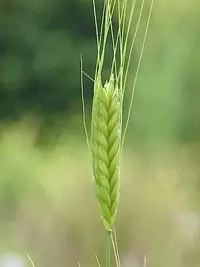
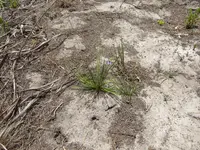
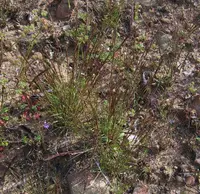
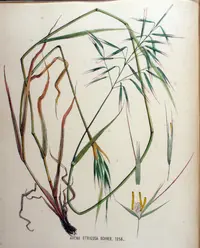
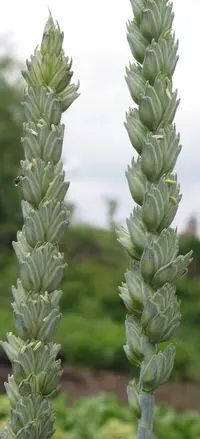
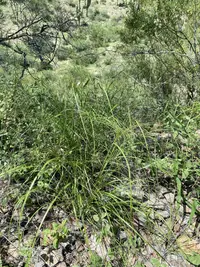
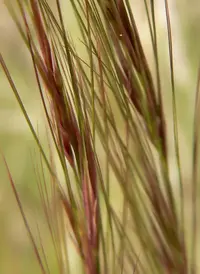
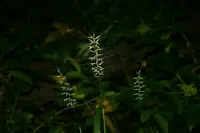
Eastern bottlebrush grass, Elymus hystrix, is a cool-season ornamental grass native to woodlands and shaded slopes in eastern North America. It forms upright clumps with arching stems topped by distinctive, bristly seed heads that resemble bottlebrushes. The plant typically grows in dappled woodland light and prefers moderately moist, well-drained soil rich in organic matter. It is valued for its ability to add texture and movement to shade or part-shade gardens while remaining relatively low maintenance. Once established, it tolerates some drought and adapts to a range of soils, which makes it straightforward to care for eastern bottlebrush grass in many garden settings.

Main Plant Requirements

Care Difficulty

Easy Care

Light Preference

Partial Sun

Water Requirements

Moderate Water

Temperature Preference

Cold Hardy

Hardiness Zone

4–9

Soil Texture

Sandy, Loamy, Clay

Soil pH

Acidic (5.5–6.5), Slightly acidic (6.5–7.0)

Soil Drainage

Well-drained

Fertilization

Minimal (feed rarely)

Get Personalized Care Plan

Scan your plant to receive care tips personalized for your specific plant

Available on iOS and Android

How to Care for the eastern bottlebrush grass

This native woodland grass prefers bright conditions with protection from intense midday sun.

  • Provide 3–6 hours of direct morning sun or light dappled shade all day; eastern bottlebrush grass is naturally adapted to understory light.
  • Site in partial shade where it receives filtered light under trees or on the east or north side of buildings, avoiding harsh afternoon sun in hotter regions.
  • In summer, monitor for leaf scorch or bleaching that indicates too much sun, and for weak, floppy growth as a sign of insufficient light.

This clump-forming grass prefers evenly moist but not saturated soil, especially during establishment.

  • Allow the top 3–5 cm of soil to dry before watering; soil should feel slightly dry at the surface but still faintly cool just below.
  • Ensure well-drained soil or a slight slope to prevent standing water, which can lead to root rot and yellowing, limp foliage.
  • Reduce supplemental watering once plants are established, increasing only during prolonged drought when leaves begin to curl, droop, or brown at the tips.

This cool-season grass handles a wide temperature range but grows best in moderate conditions.

  • Active growth is strongest around 60–75°F (16–24°C), with good performance in typical spring and fall conditions.
  • Fully hardy in much of its native range, it tolerates winter lows near 0°F (−18°C) once established, with foliage naturally dying back and crowns overwintering.
  • Heat tolerance is moderate; in spells above 85–90°F (29–32°C) growth slows, so deeper watering and light afternoon shade help prevent stress.

This species handles a wide humidity range and rarely needs special humidity management outdoors.

This grass prefers moderately fertile, well-drained mineral soils that do not stay waterlogged.

  • Use a loamy or sandy-loam soil with moderate organic matter to support steady growth without excessive lushness.
  • Ensure free drainage; avoid compacted clay or spots where water stands longer than 24 hours to prevent root decline.
  • Aim for slightly acidic to neutral pH around 6.0–7.5, which suits most native habitats of Elymus hystrix.
  • In heavier soils, mix in coarse sand or fine gravel plus compost to improve both aeration and drainage.

This species can be grown in containers for small gardens or decorative plantings.

  • Choose a broad, heavy container to counterbalance the upright, fountain-like foliage and prevent tipping in wind.
  • Provide a deep pot that allows the fibrous root system to spread vertically, which helps the clump stay upright and long-lived.
  • Use a fast-draining mix, such as garden loam with coarse sand or fine gravel, so water does not accumulate around the crown.

Elymus hystrix is a low-maintenance native grass that usually needs minimal fertilization in average garden soil.

  • Apply a light top-dressing of compost or leaf mold in early spring to support steady growth.
  • In poorer soils, use a balanced slow-release fertilizer (e.g., 10-10-10) at half strength once in spring.
  • Avoid midsummer and late-season feeding to prevent weak, lush growth and lodging.
  • Do not fertilize during winter dormancy; excess nutrients can encourage rot rather than root strength.

Pruning Elymus hystrix is straightforward and mainly helps maintain a tidy clump and healthy foliage.

  • Cut back old foliage to 5–10 cm in late winter or very early spring before new shoots emerge.
  • Remove dead, broken, or diseased stems during the season using clean, sharp hand pruners.
  • Shear or hand-strip spent flowering stalks if self-seeding or a rough appearance is not desired.
  • Avoid cutting into fresh green growth midseason to maintain the natural arching form of the grass.

Transplanting is more common than repotting for this native grass, which is usually grown in garden beds or naturalized plantings.

  • Plan division or transplanting of clumps in early spring or early fall when temperatures are mild.
  • Look for crowded centers, declining vigor, or stems leaning outward as signs that clumps need lifting and division.
  • Lift the clump with a spade, split into several sections with a sharp knife or spade, keeping firm root masses intact.
  • Replant divisions at the same soil depth, water thoroughly, and shade lightly for a few days to reduce transplant shock.

Elymus hystrix is commonly propagated by division or seed, which both suit home gardeners and restoration projects.

  • Divide mature clumps in early spring or early fall, when growth is slower and soil moisture is moderate.
  • Use a sharp spade or knife to separate firm, rooted sections with several shoots, then replant promptly.
  • Sow fresh seed in fall outdoors or in late winter with cold stratification, which is a chilling period that improves germination.
  • Provide evenly moist, well-drained soil and light cover over seed; seedlings usually establish best in cool conditions.

This cool-season native grass is reliably cold hardy in much of the US and needs only modest winter attention.

  • In cold regions, leave dry foliage standing over winter to shield crowns and provide wildlife habitat.
  • Apply a light mulch layer around, not on top of, the crown after the ground cools to buffer freeze–thaw cycles.
  • For container-grown plants, move pots to a sheltered, unheated area to prevent repeated root freezing and thawing.
  • Cut back old growth in late winter, after the worst freezes pass, as part of routine Elymus hystrix care instructions.

Care Tips

Spring clump division

Every 3–4 years, lift and divide crowded clumps in early spring, replanting vigorous outer sections at the same depth to maintain strong growth and an upright habit.

Strategic underplanting

Use this grass as a light understory planting beneath open-canopy trees, spacing clumps 30–45 cm apart to create a loose woodland matrix that suppresses weeds without forming a dense thatch.

Seed head management

If self-seeding is not desired, shear or clip the bottlebrush seed spikes just as they dry, leaving the foliage intact so the plant keeps its structure while limiting volunteer seedlings.

Wildlife-friendly staging

Leave some seed heads standing through winter at the back of beds to provide bird food and shelter, then cut them back at ground level before new shoots emerge in early spring.

Low-input meadow design

When growing eastern bottlebrush grass in meadow-style plantings, intersperse it with deeper-rooted perennials so the varying root depths reduce competition and help stabilize the soil over time.

Common Pests and Diseases

Leaf rust

This disease causes small orange to brown pustules on leaves, often starting on lower foliage in warm, humid weather. Symptoms include premature yellowing and thinning of the clump, especially in crowded plantings.

Solution

Remove and discard heavily infected leaves to reduce spore levels, and avoid overhead watering that keeps foliage wet. Improve spacing and air circulation, clean up fallen leaf debris in autumn, and if rust is severe in a landscape or restoration setting, consider rotating to less susceptible grasses nearby and reseeding thin patches with fresh, healthy seed.

Powdery mildew

This disease produces whitish, powdery patches on leaves and sheaths, typically in shaded or crowded stands. Symptoms include dull, distorted foliage and reduced vigor in severe cases.

Solution

Reduce shade and improve airflow by thinning nearby vegetation and avoiding very dense sowing. Remove the worst affected leaves, irrigate at soil level rather than on foliage, and in persistent cases consider replacing chronically shaded, mildew-prone clumps with new plants in a sunnier, better-ventilated position as part of long-term Elymus hystrix care.

Leaf spot complex

Symptoms include tan, brown, or purplish spots on leaves that may merge into larger blotches, often appearing after periods of extended moisture. This problem can weaken foliage and cause early dieback of older leaves.

Solution

Cut back and remove spotted foliage at the end of the season to reduce overwintering fungal inoculum, and avoid prolonged leaf wetness by watering in the morning at soil level. Maintain good spacing, keep the planting free of dense thatch, and favor site conditions with good air movement and well-drained soil to reduce future outbreaks.

Grass aphids

These insects cluster on young stems and leaf bases, sucking sap and sometimes causing yellowing, curling, or sticky honeydew that can support sooty mold. Infestations are usually patchy but can stress young or container-grown plants.

Solution

Hose down plants with a firm stream of water to dislodge aphids, focusing on stem bases and leaf sheaths, and encourage natural predators such as lady beetles by minimizing broad-spectrum insecticides nearby. For persistent hotspots, use an insecticidal soap or horticultural oil spray directed at the colonies, repeating as needed while monitoring for beneficial insects.

Grasshoppers

These insects chew irregular holes and notches in leaves and can significantly thin foliage in dry, open sites. Damage is usually cosmetic on established clumps but may slow growth in young plantings or restorations.

Solution

Hand-pick larger grasshoppers from smaller plantings in early morning and reduce nearby tall weeds that shelter nymphs. In larger areas, row covers or fine netting over young stands and the use of habitat for natural predators such as birds can limit damage until plants are well established.

Interesting Facts

Native woodland grass

This species is native to eastern North American woodlands and forest edges, where it naturally forms loose clumps in partial shade under deciduous trees.

Bottlebrush seed heads

Its stiff, outward-pointing awns give the flowering spikes a bottlebrush-like appearance, which inspired the common name eastern bottlebrush grass and provides unique texture in shade gardens.

Wildlife associations

The seeds are eaten by small birds and rodents, while the foliage offers cover for ground-dwelling insects and other invertebrates in woodland ecosystems.

Botan icon

Did you know?

Elymus hystrix is considered a conservative species in many regions, meaning it tends to occur in relatively undisturbed, higher-quality woodland habitats and can be used as an indicator of intact forest ecosystems.

FAQs about eastern bottlebrush grass

This species forms loose clumps and spreads slowly by short rhizomes and self-seeding. It is not considered aggressive in most gardens and is usually easy to manage with occasional thinning or removal of unwanted seedlings.

Grow Healthy Plants with Botan Care

Keep your plants happy and healthy with plant identification, disease detection, and easy care guidance.

Botan plant care app — identify plants on mobile

Explore More Plants