lopsided oat Care (Avena strigosa)

Also known as: Bristle Oat, Sand Oat
lopsided oat

About lopsided oat

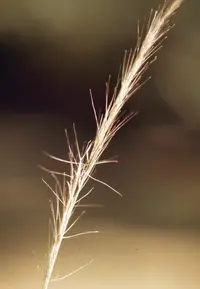
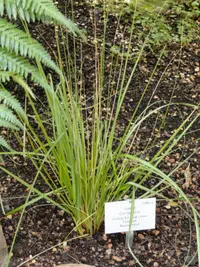
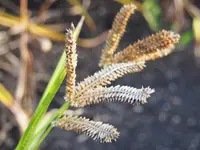
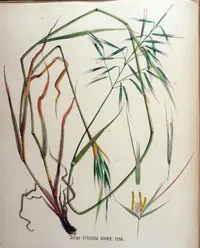
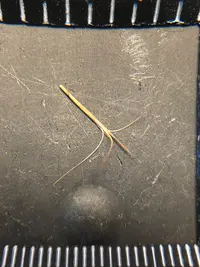
Lopsided oat, Avena strigosa, is an annual grass grown mainly as a cover crop, forage, or green manure in temperate regions. It forms upright clumps with slender stems and distinctive one-sided seed heads.

This species is native to parts of Europe but is now cultivated in many farming areas, especially in cooler climates. It establishes quickly, competes well with weeds, and improves soil structure, which makes it relatively easy to manage in fields or larger gardens.

It grows best in full sun, with moderate moisture and well-drained, reasonably fertile soil. For home growers interested in sustainable soil improvement, learning how to care for lopsided oat can support healthier beds for other crops.

Main Plant Requirements

Care Difficulty

Easy Care

Light Preference

Full Sun

Water Requirements

Regular Water

Temperature Preference

Cool Climate

Hardiness Zone

3–9

Soil Texture

Sandy, Loamy, Silty

Soil pH

Acidic (5.5–6.5), Slightly acidic (6.5–7.0)

Soil Drainage

Well-drained

Fertilization

Minimal (feed rarely)

Get Personalized Care Plan

Scan your plant to receive care tips personalized for your specific plant

Available on iOS and Android

How to Care for the lopsided oat

Avena strigosa prefers bright, open conditions typical of cool-season cereal crops.

  • Provide full sun for 6–8 hours per day; fields with unobstructed exposure give the strongest, most upright growth in lopsided oat.
  • Tolerates light partial shade (3–4 hours direct sun) but may grow taller, thinner stems and produce less biomass in reduced light.
  • Avoid extreme, dry heat with reflected afternoon sun; in hot summers, slight afternoon shade or filtered light reduces leaf scorch and moisture stress.

This species prefers consistent moisture in well-drained soil rather than prolonged saturation.

  • Irrigate when the top 3–5 cm of soil feel dry and leaves lose some gloss; aim for moist, not soggy, conditions in the root zone.
  • Use soils or field sites with good drainage; standing water for more than 24 hours increases root rot risk and weak, pale growth in Avena strigosa.
  • During cool, rainy periods, reduce or skip irrigation, while in hot, windy weather expect faster drying and monitor for curling or bluish leaves as a sign to water.

This cool-season grass grows best in mild conditions and slows in high summer heat.

  • Optimal growth occurs around 50–68°F (10–20°C), supporting strong tillering and dense foliage in spring and fall.
  • Plants tolerate light frosts down to about 23–28°F (-5 to -2°C), but repeated hard freezes below 20°F (-7°C) can kill young stands.
  • Growth declines above 77–86°F (25–30°C); extended heat combined with drought leads to early flowering, reduced biomass, and possible leaf scorching.

This species grows well in typical outdoor humidity around 40–60% and rarely needs special humidity management.

  • Lopsided oat tolerates dry air down to about 30% without noticeable damage in most temperate climates.
  • Leaf tips browning or fine leaf edges crisping during hot, windy spells can indicate mild humidity stress combined with heat or drought.
  • Increase local humidity slightly by using windbreaks, denser companion planting, or light mulching to reduce evaporation around the plants.

Avena strigosa prefers moderately fertile, well-structured mineral soil that drains freely but does not dry out too fast.

  • Use a loamy or sandy-loam soil with visible mineral particles and only moderate organic matter, avoiding heavy peat-based mixes.
  • Aim for pH 5.5–7.0; in acidic soil below this range, incorporate agricultural lime according to a soil test.
  • Improve drainage and aeration by working in coarse sand or fine grit plus well-rotted compost at 20–30% of the soil volume.
  • Avoid compacted clay, waterlogged patches, or soil crusting at the surface, which restricts root oxygen and reduces stand uniformity.

This grass can be grown in containers if the pot is deep and stable enough for its fibrous root system and upright stems.

  • Choose a pot at least 25–30 cm deep so roots can anchor strongly and prevent the stand from lodging in wind.
  • Use a heavier material such as ceramic or thick-walled plastic to reduce tipping as the foliage mass increases.
  • Position the container where it is sheltered from strong, constant wind so the tall stems do not act as a lever that shifts the pot.

Avena strigosa is a fast-growing annual grass that responds well to moderate nutrition on poorer soils.

  • Use a balanced NPK granular fertilizer or well-rotted compost incorporated into the soil before sowing.
  • On low-fertility ground, apply a light top-dressing of balanced NPK once during early active growth.
  • Avoid high-nitrogen rates that cause lodging; use about half the label strength for field or container use.
  • Do not feed in late autumn or winter; the crop will be finishing its life cycle and extra nutrients are wasted.

Pruning Avena strigosa is minimal and mainly focused on crop hygiene rather than shaping.

  • Cut back or remove any dead, diseased, or storm-damaged stems during the growing season to limit disease spread.
  • Use clean, sharp shears or a scythe to make smooth cuts that reduce tearing and stress to remaining stems.
  • Thinning very dense patches at the seedling stage improves air flow, reduces fungal issues, and promotes stronger tillers.
  • At season end, mow or cut plants close to ground level to terminate the stand or prepare for incorporation as green manure.

Lopsided oat is typically direct-sown outdoors, but container-grown plants or starts can be transplanted when handled carefully.

  • Transplant when seedlings have 2–3 true leaves and before roots begin circling the container or growth slows.
  • Plan moves for cool, overcast conditions in spring or early autumn to limit water loss and transplant shock.
  • Lift plants with as much root ball and surrounding soil as possible, disturbing roots as little as practical.
  • Water thoroughly after transplanting, then keep soil evenly moist for 7–10 days until new growth confirms establishment.

This annual oat is most commonly propagated from seed for field, cover crop, or trial container use.

  • Sow fresh seed in spring or late summer, timing 2–3 weeks before the main growing window in your climate.
  • Prepare a fine, firm seedbed and sow seeds about 1–2 cm deep with good soil contact for uniform germination.
  • Maintain consistently moist, not waterlogged, soil and moderate temperatures around 50–68°F for fast emergence.
  • Broadcast sow for cover cropping or use rows for easier management, then lightly rake and roll or press seeds in.

As a cool-season annual, Avena strigosa usually needs limited winter care but can be damaged by severe freezes.

  • In mild climates, autumn-sown stands tolerate light frosts but may thin in prolonged hard freezes below about 20°F.
  • Apply a light mulch between rows in exposed sites to buffer soil temperature and reduce heaving of shallow roots.
  • For container plantings, move pots to an unheated but sheltered spot to avoid repeated freeze–thaw cycles.

Care Tips

Use as cover

Sow dense rows and allow plants to form a full canopy, which suppresses annual weeds and improves soil tilth before the next crop.

Timed green manuring

For maximum biomass and root benefit, mow or flail plants just as the first seed heads begin to emerge, then incorporate residue lightly into the top 10–15 cm of soil within a few days.

Roll instead of till

On larger plots, use a roller or simply flatten mature plants with a board to create a mulch layer, then plant transplants directly through the residue to reduce erosion and moisture loss.

Prevent self‑seeding

If seed drop is not desired, schedule a final mow before the earliest heads fully ripen and monitor weekly so plants do not set and shed viable seed.

Monitor for allelopathy

After incorporating large amounts of fresh residue, wait 10–14 days and test a small row of sensitive seedlings first, adjusting future incorporation timing if germination appears slowed when growing lopsided oat.

Common Pests and Diseases

Crown rust

This disease causes orange to bright rust-colored pustules on leaves and stems, leading to early leaf death and reduced vigor. Symptoms include powdery spore masses that rub off easily on fingers or clothing.

Solution

Remove and destroy heavily infected plants or plant residues to reduce spore carryover, and avoid planting near common oat or wild oat stands that act as alternate hosts. In field settings, use resistant varieties where available and rotate with non-host crops; for small plantings, improve spacing and airflow so foliage dries quickly after rain or irrigation.

Leaf blotch

This disease produces brown, irregular lesions on leaves that may merge into larger dead areas, especially in cool, wet conditions. Symptoms include tan centers with darker margins and possible yellowing of surrounding tissue.

Solution

Remove and discard infected plant debris and avoid overhead watering that keeps foliage wet for long periods. In production settings, use clean seed, rotate away from cereals for at least 1–2 years, and increase row spacing to promote faster drying of leaves.

Barley yellow dwarf virus

This disease leads to yellowing or reddening of leaf tips, stunting, and poor tillering, often in patches within a stand. Symptoms include thin plants with reduced root growth and lower seed yield.

Solution

Manage aphid vectors by reducing green bridge hosts such as volunteer cereals and grassy weeds, and avoid very early sowing that exposes young plants to high aphid pressure. Use certified virus-free seed and, in larger plantings, monitor aphid levels carefully to time any targeted control if needed.

Aphids

These insects feed on plant sap, causing leaf curling, yellowing, and overall weakening of plants, and they can transmit viruses such as barley yellow dwarf. Symptoms include sticky honeydew and possible sooty mold growth on affected tissue.

Solution

Dislodge aphids from foliage with a firm stream of water on small plantings and encourage natural predators such as lady beetles by avoiding broad-spectrum insecticides. In field situations, monitor populations regularly, control nearby volunteer cereals and grassy weeds, and use threshold-based, targeted treatments only when numbers exceed recommended levels.

Wireworms

These soil-dwelling larvae feed on seeds and young roots, reducing emergence and causing patchy, thin stands. Symptoms include missing seedlings, wilted young plants, and hollowed or chewed seeds below the soil surface.

Solution

Before sowing, reduce grassy weed cover and volunteer cereals that harbor larvae, and use crop rotation away from long-term grass or pasture to lower populations. In affected beds or fields, avoid excessive soil moisture that favors wireworm activity, and consider delayed planting or trap crops to assess and reduce pressure before establishing the main crop.

Interesting Facts

Nematicide cover crop

Black oat is widely used in agriculture as a cover crop because its dense root system can significantly reduce populations of certain plant-parasitic nematodes in the soil, helping protect following crops like soybeans and vegetables.

High biomass producer

This species grows rapidly and produces substantial above-ground biomass with a fibrous root system, which improves soil structure, increases organic matter, and helps prevent erosion in rotation and conservation tillage systems.

Strong allelopathic effect

Residues of black oat can release allelopathic compounds, which are chemicals that suppress germination and growth of some weed species, making it a useful component of integrated weed management programs and a practical option when people want to grow Avena strigosa as a green manure.

Botan icon

Did you know?

Black oat is thought to have originated in western Europe and has become particularly important in South American conservation agriculture, especially in Brazil, where it is a key species in no-till systems for maintaining soil cover and fertility between cash crops.

FAQs about lopsided oat

This species is usually grown as a cool-season annual. Plants germinate, produce foliage and seed heads, then die after setting seed. In mild climates, self-sown seed can create the impression of a short-lived perennial stand.

Grow Healthy Plants with Botan Care

Keep your plants happy and healthy with plant identification, disease detection, and easy care guidance.

Botan plant care app — identify plants on mobile

Explore More Plants