Wind hardening
If planting in a windy site, raise young plants in a sheltered spot first, then gradually expose them to stronger winds over 2–3 weeks to reduce leaf shredding and strengthen the clumps before final planting.

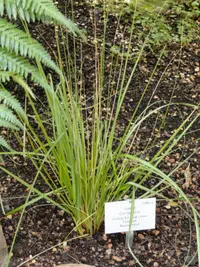
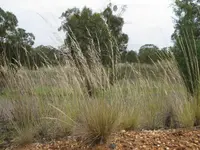
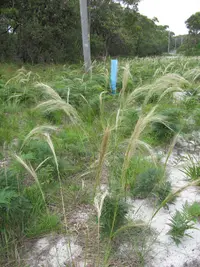
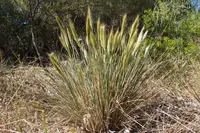
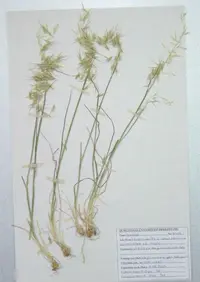
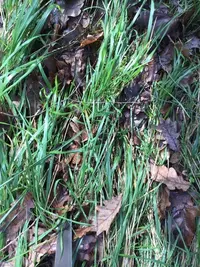
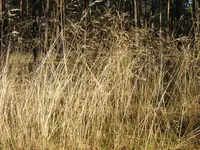
Richards toetoe (Austroderia richardii) is a large, clump-forming ornamental grass native to river terraces and wet valleys of New Zealand’s South Island. It forms tall, graceful fountains of narrow, arching leaves topped with feathery cream plumes in late season. The plant has a strong, fibrous root system and tolerates wind and exposed sites, which makes it useful for larger gardens and naturalistic plantings. It is generally tough but needs space to show its full form and can look untidy if crowded or poorly placed. This species prefers sun, consistent moisture, and free-draining soil, which helps guide how to care for Richards toetoe in temperate climates.

Care Difficulty
Easy Care

Light Preference
Full Sun

Water Requirements
Moderate Water

Temperature Preference
Cold Hardy

Hardiness Zone
7–10

Soil Texture
Sandy, Loamy, Rocky

Soil pH
Slightly acidic (6.5–7.0), Neutral (7.0)

Soil Drainage
Well-drained

Fertilization
Minimal (feed rarely)
Scan your plant to receive care tips personalized for your specific plant
Available on iOS and Android
This clump-forming grass prefers bright, open conditions similar to its native riverbeds and tussocklands.
This species prefers moist but well-drained soil, especially while establishing in the first 1–2 years.
This hardy grass tolerates a wide temperature range and suits many temperate climates.
This species tolerates a wide humidity range and rarely needs special humidity management.
This grass prefers free-draining mineral soils that do not stay waterlogged.
This species can be grown in large outdoor containers if the pot is stable and drains quickly.
This tough grass usually needs minimal feeding, especially in fertile garden soil.
Pruning Austroderia richardii focuses on removing old material and keeping the clump tidy.
This tall tussock grass is usually grown in the ground, so care centers on occasional transplanting rather than frequent repotting.
Austroderia richardii is commonly propagated by division or from seed in suitable conditions.
This species is generally cold hardy in temperate climates and often needs little special winter care once established.

Plant Health Check
Not sure what's wrong with your plant? Check your plant's health inside the app.
This species is naturally restricted to the South Island of New Zealand, where it is strongly associated with braided river systems, terraces, and stony alluvial soils along rivers such as the Rakaia and Waimakariri.
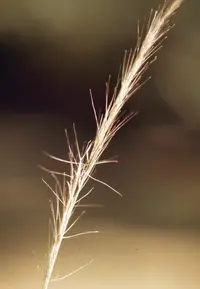
Its tall, narrow plumes are structured for wind pollination, with many small, dangling spikelets that expose the pollen and stigmas efficiently to moving air rather than relying on insect visitors.
The dense, fibrous root system helps bind loose gravels and sands, contributing to bank stabilization and providing structure in dynamic floodplain habitats that experience frequent disturbance.

In Māori tradition this grass, known as toetoe, was historically used for practical purposes such as thatching, lining food storage pits, and occasionally in weaving, making it both an ecological and cultural component of New Zealand river landscapes.
This grass forms large, expanding clumps over time but does not run by stolons or rhizomes. It can self-seed in suitable climates, so remove flower heads before seed set if spread needs to be limited.
Keep your plants happy and healthy with plant identification, disease detection, and easy care guidance.