rough speargrass Care (Austrostipa scabra)

rough speargrass

About rough speargrass

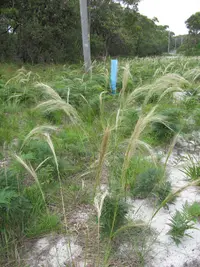
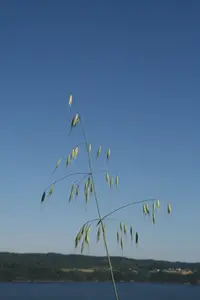
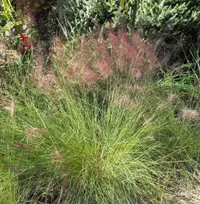
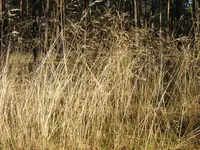
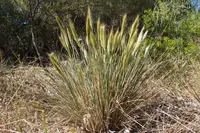
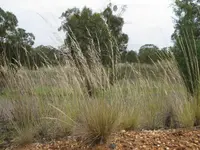
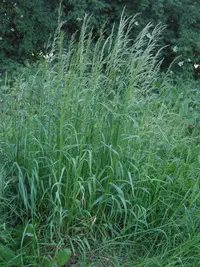
Rough speargrass, Austrostipa scabra, is a tufted perennial grass native to Australia, often found in dry open woodlands and grasslands. It forms upright clumps with fine, needle-like leaves and slender flowering stems. The foliage and seed heads create a wiry, textured look that suits naturalistic or low-maintenance plantings. This species is adapted to poor, sandy or stony soils and tolerates drought once established, which influences how to care for rough speargrass in gardens. It prefers full sun and dry to moderately moist conditions, and usually needs little intervention when sited correctly.

Main Plant Requirements

Care Difficulty

Easy Care

Light Preference

Full Sun

Water Requirements

Low Water

Temperature Preference

Warm Climate

Hardiness Zone

8–11

Soil Texture

Sandy, Loamy, Rocky

Soil pH

Slightly acidic (6.5–7.0), Neutral (7.0)

Soil Drainage

Well-drained

Fertilization

Minimal (feed rarely)

Get Personalized Care Plan

Scan your plant to receive care tips personalized for your specific plant

Available on iOS and Android

How to Care for the rough speargrass

This sun-loving Australian grass thrives in open, exposed sites with strong light.

  • Provide full sun for 6–8 hours daily; it copes with light afternoon heat, especially in dry, well-drained soils.
  • Accepts light or dappled shade for 2–3 hours, but clumps become looser and stems weaker with less sun, especially in cooler climates.
  • In very hot inland summers, rough speargrass benefits from slight afternoon shade to reduce leaf scorch, while winter low sun angles are usually not a problem.

This tough, drought-tolerant grass prefers infrequent, deep watering over frequent light drinks.

  • Allow the top 5–8 cm of soil to dry before watering; established Austrostipa scabra in the ground may go weeks between waterings in mild weather.
  • During hot, dry periods, water when foliage starts to curl slightly or growth pauses, then soak the root zone thoroughly and let excess drain away.
  • Avoid consistently wet or poorly drained soil, which causes yellowing, lodging, and root rot; in winter, reduce watering further as growth slows.

This hardy bunchgrass tolerates a wide temperature range typical of semi-arid climates.

  • Best active growth occurs around 60–80°F (16–27°C), especially with full sun and free-draining soil.
  • Mature plants tolerate brief drops to about 15–20°F (-9 to -6°C), with foliage burn possible but crowns often surviving and resprouting in spring.
  • Handles summer heat up to about 95–100°F (35–38°C) if roots are established and soil is not waterlogged, though prolonged extreme heat can pause growth.

Humidity is not a critical factor for Austrostipa scabra, which is adapted to dry air.

This grass prefers lean, mineral soils that drain rapidly and do not stay wet for long.

  • Use a sandy or sandy-loam mix with low organic matter, such as 60–70% coarse sand plus 30–40% loam or fine gravel.
  • Ensure water runs through within seconds; avoid mixes that clump or feel sticky when moist.
  • Aim for slightly acidic to neutral pH around 6.0–7.5, avoiding strongly acidic or saline conditions.
  • In heavy native soil, mix in coarse sand or fine gravel at a 1:1 ratio to improve aeration and drainage for Austrostipa scabra.

This species can be grown in containers if the pot and substrate are chosen to mimic dry, freely drained conditions.

  • Select a deep, relatively narrow pot to allow the fibrous roots to anchor while limiting excess wet volume around them.
  • Choose a heavy, stable container material such as clay or concrete to prevent the mature clump from tipping in strong wind.
  • Raise the pot on feet or bricks so drainage holes stay clear and water cannot pool under the base after rain or irrigation.

This tough native grass thrives in poor soils and usually needs no fertilizer once established.

Austrostipa scabra benefits from light, periodic pruning to maintain a tidy clump and encourage fresh growth.

  • Cut back old, straw-colored foliage and spent flower stalks in late winter or early spring before new shoots emerge.
  • Remove dead, damaged, or lodging stems at the base with sharp hand pruners or shears to improve airflow.
  • Thin out very dense clumps by taking a few older tufts, which reduces shading and supports stronger new growth.

Most gardeners grow Austrostipa scabra in the ground, so focus on careful transplanting rather than frequent repotting.

  • Transplant in late winter or early spring when growth is just resuming and soil is moist but not waterlogged.
  • Choose a sunny, free-draining site and disturb the root ball as little as possible to limit transplant shock.
  • Water deeply after planting, then allow soil to dry slightly between waterings to encourage root establishment.
  • Container plants only need a larger pot when roots circle the inside and water drains very quickly.

Propagation of Austrostipa scabra is usually done from seed, which suits its bunchgrass growth habit.

  • Collect seed heads when they turn tan and dry, then store in a cool, dry place until sowing.
  • Sow seeds in late winter to early spring in a gritty, well-drained mix, barely covering them with substrate.
  • Keep trays in bright light at 60–70°F and maintain lightly moist, not wet, conditions for germination.
  • Harden off seedlings before planting outdoors, spacing them to allow each tussock to develop fully.

This species is generally cold hardy in temperate climates and needs little winter care once established.

  • Rough speargrass clumps usually tolerate light to moderate frosts without damage in well-drained soil.
  • In colder regions, apply a light mulch around the base to moderate soil temperature, avoiding direct crown coverage.
  • Container-grown plants in very cold zones can be moved to a sheltered spot to reduce freeze–thaw stress on roots.

Care Tips

Avoid Root Disturbance

Use deep plugs or biodegradable pots and plant them out with minimal handling of the root ball, since this grass resents transplant shock and establishes best when roots are not disturbed.

Encourage Deep Rooting

In the first growing season, water less often but more deeply so that moisture reaches 15–20 cm, which trains the plant to form a deep, drought-resilient root system suited to poor, dry sites.

Use Sparse Mulching

If mulching, keep any gravel or very thin organic mulch pulled 5–8 cm away from the crown to reduce rot risk while still limiting weed competition around the clump.

Wind Exposure Management

Site plants where they receive some air movement but are not exposed to extreme, constant wind, which can shred foliage and increase desiccation on newly planted clumps.

Seed Head Management

If self-seeding is not desired, cut flower stems just as seeds begin to ripen and dispose of them, or leave a limited number to mature if growing rough speargrass for habitat or self-renewing stands.

Common Pests and Diseases

Stem rust

This disease causes orange to dark brown pustules on leaves and stems, which can weaken plants and reduce seed production. Symptoms include powdery spore masses that rub off easily on fingers or clothing.

Solution

Remove and destroy heavily infected clumps before seed set to reduce local spore load, and avoid overhead irrigation that keeps foliage wet for long periods. Maintain wider spacing for good airflow, and in mixed plantings avoid growing highly rust-susceptible cereal grasses adjacent to Austrostipa scabra to limit cross-infection risk.

Leaf spot

This disease produces small tan to brown spots on leaves that may merge into larger dead patches under prolonged cool, moist conditions. Symptoms include premature leaf drying and a general decline in foliage quality.

Solution

Cut back and dispose of affected foliage to remove infected tissue and reduce fungal spread, and irrigate at soil level rather than wetting leaves. Improve sun exposure and air movement around plants, and avoid high-nitrogen fertilization, which encourages soft, disease-prone growth.

Armyworms

These insects are caterpillar larvae that chew leaves and seed heads, sometimes stripping sections of foliage in a short period. This pest often feeds at night and hides at the plant base or in debris during the day.

Solution

Hand-pick visible larvae in small plantings and remove surrounding plant debris where caterpillars shelter. For heavier infestations, encourage or introduce natural predators and consider a targeted biological treatment containing Bacillus thuringiensis (Bt), applied according to label directions while avoiding drift onto non-target plants.

Grasshoppers

These insects feed on blades and seed heads, creating irregular notches and holes that can make clumps appear ragged in dry, open sites. Damage is usually cosmetic but can be noticeable in young or newly established stands.

Solution

Use physical barriers such as fine mesh or temporary row covers for young plantings, and reduce nearby tall weeds that provide shelter and breeding sites. In larger areas, encourage natural predators and consider using localized bait formulations placed away from children, pets, and non-target wildlife.

Aphids

These insects cluster on tender stems and seed heads, sucking sap and sometimes excreting sticky honeydew that can attract sooty mold on nearby foliage. This pest can distort young growth and reduce vigor in stressed plants.

Solution

Spray affected areas with a firm stream of water to dislodge colonies, and prune heavily infested seed heads if practical. For persistent problems, apply an insecticidal soap or light horticultural oil, coating insects thoroughly while treating during cooler parts of the day to minimize plant stress and support Austrostipa scabra care in mixed native grass plantings.

Interesting Facts

Wiry drought specialist

This species has narrow, tough leaves and a deep, fibrous root system that allow it to survive in very low-fertility, drought-prone soils across much of inland and southern Australia.

Sand and gravel coloniser

Austrostipa scabra is especially common on sandy, gravelly, or stony substrates where many other grasses struggle, helping stabilize loose soils and reducing erosion in these harsh sites.

Sharp-awned seed dispersal

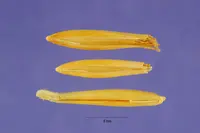
Its seeds have long, stiff awns that can twist with changes in humidity and work the seed into soil cracks or animal fur, improving both burial and short-distance dispersal in dry habitats.

FAQs about rough speargrass

This species is a short-lived perennial bunchgrass. Individual clumps usually persist several years, depending on grazing, disturbance, and drought. It often self-seeds, so new plants appear nearby even as older tussocks decline.

Grow Healthy Plants with Botan Care

Keep your plants happy and healthy with plant identification, disease detection, and easy care guidance.

Botan plant care app — identify plants on mobile

Explore More Plants