Eulalia Care (Miscanthus sinensis 'Strictus')

About Eulalia

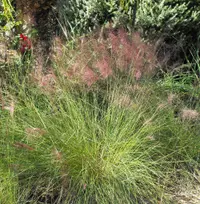
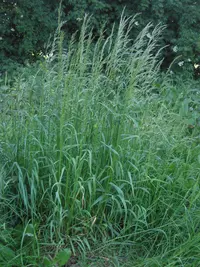
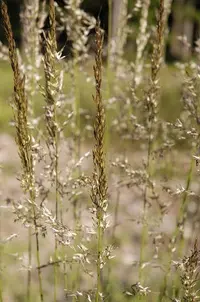
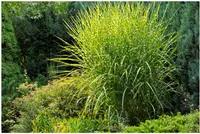
Eulalia, Miscanthus sinensis 'Strictus', is a clump-forming ornamental grass grown mainly for its upright, striped foliage. Stems are stiff and vertical, with horizontal yellow bands on green leaves, giving a strong architectural look in beds and borders.

This cultivar originates from East Asia, where Miscanthus species grow in open grasslands and sunny slopes. In gardens it is usually hardy, long lived, and tolerant of wind and urban conditions.

Once established, it copes well with short dry periods and is generally considered low maintenance, which makes it relatively easy to care for Eulalia. It grows best in full sun with moderately moist, well-drained soil.

Main Plant Requirements

Care Difficulty

Easy Care

Light Preference

Full Sun

Water Requirements

Moderate Water

Temperature Preference

Cold Hardy

Hardiness Zone

4–9

Soil Texture

Sandy, Loamy, Clay

Soil pH

Acidic (5.5–6.5), Slightly acidic (6.5–7.0)

Soil Drainage

Moist but well-drained

Fertilization

Minimal (feed rarely)

Get Personalized Care Plan

Scan your plant to receive care tips personalized for your specific plant

Available on iOS and Android

How to Care for the Eulalia

This grass prefers full sun to develop strong, upright growth and clear banded foliage.

  • Provide 6–8 hours of direct sun daily; open, unshaded sites give the best color and form when growing Eulalia.
  • Accepts light partial shade, especially with morning sun and light afternoon shade, but too much shade causes lanky stems and fewer variegated leaves.
  • In hot southern climates, avoid intense reflected afternoon sun that can scorch leaf tips; in cooler regions, maximum sun is beneficial through the growing season.

This clumping grass prefers evenly moist but not saturated soil, especially during establishment.

  • Water when the top 3–5 cm of soil feels dry, giving a deep soak so moisture reaches the root zone rather than frequent light sprinkling.
  • Use well-drained soil; prolonged puddling, foul odor, or yellowing, floppy leaves suggest overwatering, while crisp leaf tips and curling indicate the plant is too dry.
  • Reduce supplemental watering in fall once growth slows, and in winter rely mostly on natural rainfall unless there is an extended drought.

This ornamental grass is hardy and tolerates a wide range of outdoor temperatures once established.

  • Best active growth occurs around 65–80°F (18–27°C), when shoots elongate quickly and foliage looks fullest.
  • Tolerates winter lows near -20°F (-29°C) in the ground; top growth dies back with hard frost but roots usually survive and resprout in spring.
  • Handles summer heat up to about 95°F (35°C) if soil is not allowed to dry out completely, but prolonged extreme heat with drought can cause leaf tip scorch.

Humidity is not a major factor for Miscanthus sinensis 'Strictus', which adapts well to typical outdoor air in Eulalia-growing regions.

Miscanthus sinensis 'Strictus' grows best in moderately fertile, well-structured mineral soil with steady moisture and reliable drainage.

  • Aim for a loamy or sandy-loam texture that holds moisture yet drains freely, avoiding dense, heavy clay that stays wet.
  • In borders, improve structure and aeration by digging in 20–30% compost and, in heavier soils, up to 20% sharp sand or fine grit.
  • Target a slightly acidic to neutral pH of about 6.0–7.2, which supports balanced nutrient availability and healthy root growth.
  • Avoid low-lying, waterlogged, or compacted sites, since prolonged root saturation encourages rot and weak, sparse foliage.

This tall, clump-forming grass can be grown in large outdoor containers if given ample root space and stability.

  • Choose a wide, heavy container at least 40–50 cm deep so the tall, upright clump does not become top-heavy and tip in wind.
  • Use a gritty mix such as 60–70% loam-based compost with 30–40% mineral material (grit or coarse sand) to keep roots aerated.
  • Raise the container on pot feet so drainage holes stay clear and excess rainwater escapes quickly, preventing soggy roots after storms.

This ornamental grass grows well in average soil but benefits from light feeding during the growing season.

  • Apply a balanced slow-release fertilizer (around 10-10-10) once in early spring as new growth emerges when caring for Eulalia.
  • Use a light rate or half-strength application to avoid overly lush, floppy growth.
  • In poor soils, supplement with a thin layer of compost around the root zone, keeping it off the crowns.
  • Stop fertilizing by late summer and do not feed in winter dormancy.

Pruning supports tidy appearance and healthy regrowth in Miscanthus sinensis 'Strictus'.

  • Leave foliage standing through winter for structure and wildlife value, then cut back in late winter or very early spring.
  • Use sharp shears or hedge trimmers to remove all old stems to 10–20 cm above ground level.
  • During the season, snip out dead, damaged, or badly leaning stems to maintain shape.
  • Remove any dry flower stalks that collapse or tangle to reduce self-seeding and keep clumps neat.

This grass is usually grown in the ground, with transplanting or container division needed only every few years.

  • Plan major moves or division in early spring before strong new growth starts, or in early fall while soil is warm.
  • Transplant or divide when clumps thin in the center, growth slows, or roots circle and bind inside a container.
  • Dig widely around the clump, lift with a fork, and split into sections each with vigorous buds and roots.
  • Replant or pot divisions quickly at the same depth, water thoroughly, and keep evenly moist until re-established.

Propagation of this grass is most reliable by division of established clumps.

  • Divide mature plants in early spring just as new shoots emerge, when soil is workable but not waterlogged.
  • Lift the clump and cut into several pieces using a sharp spade, saw, or heavy knife.
  • Ensure each division has multiple growing points and a solid root mass for strong regrowth.
  • Replant divisions immediately, firm soil around roots, water deeply, and keep evenly moist until growth resumes.

This ornamental grass is cold hardy in much of the US and usually needs minimal winter care.

  • In the ground, crowns tolerate typical frosts once established in well-drained soil.
  • Leave dry foliage and seed heads standing through winter to shield crowns and add structure.
  • In colder regions, apply a 5–8 cm mulch layer around the base after the ground cools, not touching the stems.
  • Move containers to a sheltered, unheated spot and insulate pots with mulch or wrapping to protect roots.

Care Tips

Spring clump division

Every 3–5 years in early spring, lift and divide the clump with a sharp spade, replanting vigorous outer sections and discarding the woody center to maintain strong growth and prevent congestion.

Wind and snow support

In exposed sites, install 2–3 discreet stakes around the clump and loop soft twine loosely around the foliage in late fall to reduce lodging and breakage from winter wind and wet snow.

Tidy winter silhouette

Instead of cutting back in fall, leave the stems standing for structure and wildlife cover, then cut them to 10–15 cm above ground level just before new shoots emerge in late winter.

Self-seeding control

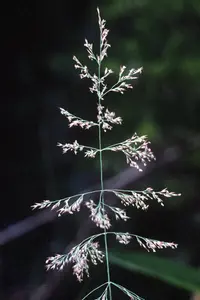
If seed spread is a concern, shear off or cut back the flowering plumes as they fade in late summer to limit volunteer seedlings and keep the planting defined.

Mulch and weed barrier

Apply a 5–7 cm layer of coarse organic mulch around but not on top of the crown to suppress weeds, stabilize soil moisture, and make caring for Eulalia easier in larger plantings.

Everything About Eulalia

Common Pests and Diseases

Rust

This disease causes yellow, orange, or brown powdery pustules on leaves, often appearing in late summer under humid conditions.

Solution

Remove and destroy affected leaves to reduce spore spread, avoid overhead watering, and improve air circulation; if rust is persistent, use a labeled fungicide for ornamental grasses and rotate products to prevent resistance.

Leaf spot

This disease produces small tan, brown, or purple lesions on leaf blades that can merge into larger dead patches, especially in warm, wet weather.

Solution

Cut back and dispose of heavily spotted foliage at season’s end, avoid wetting the foliage when watering, and, in severe or recurring cases, apply a grass-safe fungicide according to label directions.

Aphids

These insects cluster on young stems and leaf sheaths, sucking sap and sometimes leaving sticky honeydew that can attract sooty mold.

Solution

Spray colonies off with a strong stream of water, encourage natural predators like lady beetles, and use insecticidal soap or horticultural oil if populations remain high, ensuring thorough coverage of stems and leaf bases.

Spider mites

These pests thrive in hot, dry sites and cause fine stippling, bronzing, and gradual drying of leaves, sometimes accompanied by delicate webbing.

Solution

Increase humidity around the planting by regular hosing of foliage, rinse the leaves to dislodge mites, and treat persistent infestations with horticultural oil or a miticide labeled for ornamental grasses, repeating as directed to catch new hatchlings.

Japanese beetles

These insects chew irregular holes and skeletonize leaf blades, typically feeding in groups and causing noticeable cosmetic damage in mid to late summer.

Solution

Hand-pick beetles in the cool morning into soapy water, protect prized clumps with floating row covers during peak flight periods, and consider using targeted beetle traps placed away from plantings to reduce pressure without drawing more insects onto the grass.

Interesting Facts

Distinct horizontal banding

This cultivar shows yellow horizontal bands across otherwise green leaves, creating a regular, ladder-like pattern that is much more pronounced and evenly spaced than in many other variegated Miscanthus forms.

Strong upright architecture

The plant maintains a notably stiff, vertical habit with leaves held more erect than many other maiden grass cultivars, which helps it stand up well to wind and rain in landscape plantings.

Sterile ornamental selection

In many regions, this cultivar is valued because it is functionally sterile or has very low seed set, so it contributes far less to the invasive spread associated with fertile Miscanthus sinensis types.

FAQs about Eulalia

This species forms clumps that slowly widen but does not usually run by underground rhizomes. It can self-seed, especially in warmer regions, so remove seed heads if spread beyond the original planting area is a concern.

Grow Healthy Plants with Botan Care

Keep your plants happy and healthy with plant identification, disease detection, and easy care guidance.

Botan plant care app — identify plants on mobile

Explore More Plants