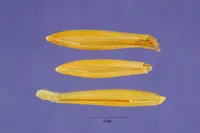
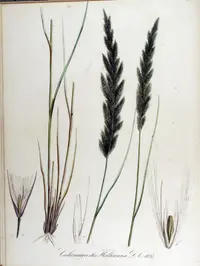
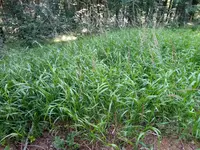
Spring burn management
In larger plantings, a controlled early-spring burn (or careful removal of old thatch with a metal rake where burning is not allowed) helps stimulate fresh shoots and reduces fungal issues by clearing dense, wet residue.

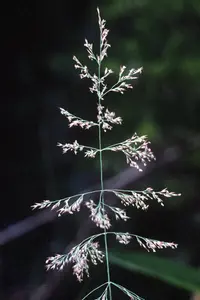
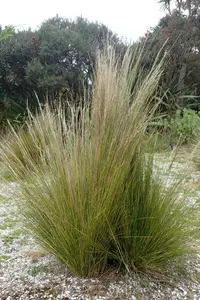
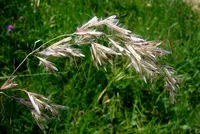
Bluejoint reed grass, Calamagrostis canadensis, is a cool-season perennial grass native to wetlands, stream banks, and moist meadows across much of North America. It forms upright clumps with slender stems and narrow leaves, topped in summer by feathery flower plumes that turn tan as they age.
This species spreads by rhizomes, creating dense colonies that help stabilize soil in wet or seasonally flooded sites. It is relatively easy to grow if its need for consistent moisture is met and is tolerant of cold climates and heavy, organic soils.
Gardeners who want to know how to care for Bluejoint Reed Grass should focus on providing a reliably damp location with full sun to light shade and avoiding very dry, compacted ground.

Care Difficulty
Moderate Care

Light Preference
Full Sun

Water Requirements
Keep Soil Moist

Temperature Preference
Cold Hardy

Hardiness Zone
2–8

Soil Texture
Loamy, Silty, Peaty

Soil pH
Acidic (5.5–6.5), Slightly acidic (6.5–7.0)

Soil Drainage
Waterlogged tolerant

Fertilization
Minimal (feed rarely)
Scan your plant to receive care tips personalized for your specific plant
Available on iOS and Android
This cool-season grass prefers consistent light to fuel strong upright growth.
This species is adapted to moist sites and prefers soil that does not fully dry out.
This hardy grass thrives in cool to cold climates and tolerates a wide temperature range.
This cool-season wetland grass is flexible about humidity but grows best in consistently moist air.
This species prefers consistently moist, organic-rich soil that does not dry out fully.
This grass can grow in containers if the pot is managed to mimic its naturally moist, stable root environment.
This cool-season native grass needs minimal feeding, but light nutrition supports healthy growth in poor soils when caring for Bluejoint Reed Grass.
Calamagrostis canadensis benefits from simple, seasonal pruning to maintain an upright, tidy clump.
This grass is most often grown in the ground, so transplanting clumps is more common than repotting containers.
Division is the most reliable method for multiplying Calamagrostis canadensis, while seeds suit larger restoration plantings.
This species is very cold hardy and typically needs little special winter care in most temperate climates.

Plant Health Check
Not sure what's wrong with your plant? Check your plant's health inside the app.
This grass spreads through long, creeping rhizomes that form dense colonies in wetlands, helping stabilize saturated soils and reduce erosion along pond margins, streams, and fens.
It is naturally adapted to cool, boreal and subarctic climates across North America, remaining productive in short growing seasons and tolerating waterlogged, cold soils that stress many other grasses.
In many northern peatlands, its standing stems and leaf litter contribute to organic matter accumulation, influencing water levels, microhabitats, and the early stages of peat formation.

Bluejoint reed grass can rapidly dominate disturbed northern wetlands after events such as flooding, logging, or road construction, acting as an early successional species that prepares the site for later-establishing sedges, shrubs, and trees.
Lack of flowering often comes from too much shade, nutrient-poor or very dry soil, or overly harsh mowing or cutting. Ensure consistent moisture, moderate fertility, and leave stems uncut until late winter to protect developing buds.
Keep your plants happy and healthy with plant identification, disease detection, and easy care guidance.