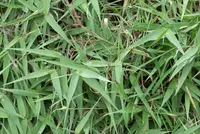
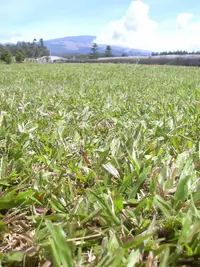
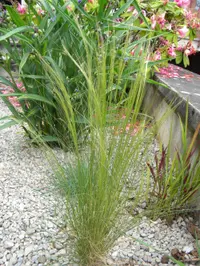
Early clump division
Divide over-dense clumps every 4–5 years in early spring, replanting only the most vigorous outer sections to maintain strong upright growth and reduce lodging in wet weather.

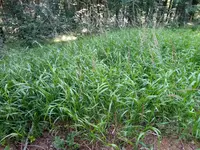
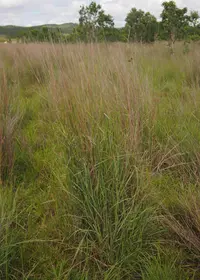
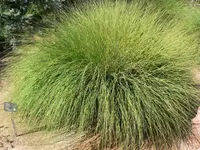
Calamagrostis villosa is a cool-season ornamental grass forming dense, upright clumps with fine, arching leaves and soft, feathery flower plumes. It keeps a graceful structure through much of the year, adding movement and texture to beds and borders.
This species is native to mountain and subalpine regions of central and eastern Europe, where it grows in open woodlands and moist meadows. It is generally robust and long-lived, but needs consistent moisture and reasonably fertile, well-drained soil to look its best.
Gardeners who want to care for Calamagrostis villosa should note that it prefers full sun to light shade and performs best in cool to moderate climates rather than very hot, dry sites.

Care Difficulty
Easy Care

Light Preference
Full Sun

Water Requirements
Moderate Water

Temperature Preference
Cold Hardy

Hardiness Zone
4–8

Soil Texture
Sandy, Loamy, Silty

Soil pH
Acidic (5.5–6.5), Slightly acidic (6.5–7.0)

Soil Drainage
Moist but well-drained

Fertilization
Minimal (feed rarely)
Scan your plant to receive care tips personalized for your specific plant
Available on iOS and Android
This cool-season ornamental grass prefers open, bright sites that support strong vertical growth.
This grass prefers evenly moist but not waterlogged soil, especially during its establishment phase.
This hardy grass tolerates a wide temperature range and is well suited to outdoor conditions in temperate climates.
This grass tolerates a wide humidity range and rarely needs special humidity management outdoors.
This species prefers evenly moist, well-drained mineral soil with moderate organic matter.
This species can be grown in containers if the pot is large and stable enough for its upright clumps.
This cool-season grass grows well in average soil and usually needs only light feeding.
Pruning maintains tidy form and healthy growth while preserving the natural texture of Calamagrostis villosa.
This ornamental grass is usually grown in the ground, with transplanting needed only when clumps outgrow their space.
Propagation of this grass is most reliable by division of established clumps rather than by seed.
This cool-season grass is generally cold hardy and needs minimal winter care in most temperate climates.

Plant Health Check
Not sure what's wrong with your plant? Check your plant's health inside the app.
This tuft-forming grass naturally occurs in cool, moist montane and subalpine forests of central and eastern Europe, especially in the Sudetes and Carpathians, where it often dominates understories on acidic, humus-rich soils.
Plant sociologists use its presence as an indicator of acidic, nutrient-poor podzolic soils, since it tends to form large stands in such conditions and recedes where base-rich or heavily fertilized soils occur.
In its native range, dense patches can influence tree seedling establishment by competing for light and nutrients, so its abundance is often considered when planning spruce or beech forest regeneration and thinning regimes.
This species forms clumps and spreads slowly by short rhizomes. It usually stays where planted and is not considered invasive in garden settings, especially when grown in average, well-managed soils rather than very wet, fertile ground.
Keep your plants happy and healthy with plant identification, disease detection, and easy care guidance.