Dardy's Oats Care (Arundinella nepalensis)

Dardy's Oats

About Dardy's Oats

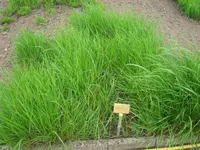
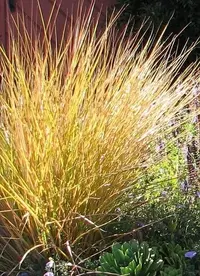
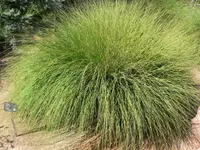
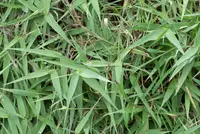
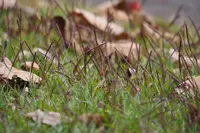
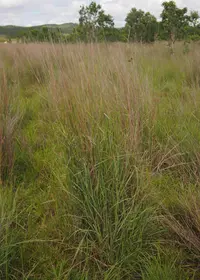
Dardy's oats, Arundinella nepalensis, is a small ornamental grass valued for its fine texture and airy, upright clumps. It typically forms loose tufts with narrow green leaves and light, open flower heads that give a soft, hazy look.

This species is native to Himalayan and Asian mountain regions, where it grows in grasslands and open slopes with regular moisture. It is generally considered moderate in difficulty, as it prefers consistent moisture and does not tolerate prolonged drought or heavy, waterlogged soils. Gardeners who learn how to care for Dardy's Oats usually find it rewarding in naturalistic borders or mixed meadow-style plantings.

Main Plant Requirements

Care Difficulty

Moderate Care

Light Preference

Full Sun

Water Requirements

Regular Water

Temperature Preference

Warm Climate

Hardiness Zone

7–10

Soil Texture

Loamy, Silty, Organic-rich

Soil pH

Acidic (5.5–6.5), Slightly acidic (6.5–7.0)

Soil Drainage

Moist but well-drained

Fertilization

Minimal (feed rarely)

Get Personalized Care Plan

Scan your plant to receive care tips personalized for your specific plant

Available on iOS and Android

How to Care for the Dardy's Oats

This ornamental grass prefers bright, open conditions with some protection from intense afternoon sun.

  • Provide 4–6 hours of direct morning sun plus bright light for the rest of the day; light afternoon shade helps prevent leaf scorch in hot summers.
  • Dardy's Oats tolerates partial shade, but stems may grow looser and flowering may decrease if it receives less than 3–4 hours of direct sun.
  • In cooler seasons, slightly more direct sun is beneficial, while in mid-summer watch for bleached or crispy tips as a sign of excessive exposure.

This species prefers consistently moist but not waterlogged soil once established.

  • Water when the top 3–5 cm of soil feels dry, aiming to keep the root zone evenly moist during active growth in spring and summer.
  • Use free-draining soil or a site that does not stay soggy; poor drainage and constantly saturated ground lead to root rot and yellowing foliage.
  • Reduce watering frequency in late fall and winter, watching for drooping, rolled leaves as a sign of underwatering and black, mushy roots as overwatering.

This grass grows best in mild, temperate conditions with cool winters and warm summers.

  • Optimal growth occurs around 65–80°F (18–27°C), where foliage stays dense and upright during the main growing season.
  • Plants tolerate summer heat up to about 90°F (32°C) if soil moisture is maintained and roots are mulched to limit temperature swings.
  • Arundinella nepalensis is frost sensitive below about 20–25°F (-6 to -4°C); repeated hard freezes can kill crowns, so colder regions benefit from winter mulch or sheltered microclimates.

This grass handles a wide range of humidity but grows best in moderately moist air.

  • Aim for 40–60% humidity; typical indoor levels usually suffice for Dardy's Oats.
  • Leaves curling, browning tips, and slowed growth can signal prolonged very dry air combined with underwatering.
  • Increase humidity by grouping plants, placing trays with pebbles and water nearby, or mulching the soil to reduce evaporation.

Arundinella nepalensis prefers loose, moderately fertile, well-draining soil that still holds some moisture.

  • Use a loamy mix with roughly 50% standard potting soil, 25% compost, and 25% sand or fine grit for structure and drainage.
  • Maintain slightly acidic to neutral pH around 6.0–7.0 for stable nutrient uptake and root function.
  • Incorporate coarse sand or perlite to improve aeration and prevent water from pooling around the roots after heavy rain or irrigation.
  • Avoid heavy, compacted clay or constantly waterlogged sites, which promote root rot and weak, sparse growth.

This ornamental grass is suitable for container growing when given enough root space and stable moisture.

  • Choose a deep, wide pot to accommodate its fibrous root system and reduce the risk of the plant becoming root-bound too quickly.
  • Select a heavier material such as ceramic or thick terracotta to keep the clump stable in wind as the foliage mass increases.
  • Ensure large, unobstructed drainage holes so that irrigation water exits within seconds, preventing a perched water layer at the pot base.

This ornamental grass needs only modest feeding; caring for Dardy's Oats focuses more on light and water than on fertilizer.

  • Apply a light dressing of compost or well-rotted manure in spring to support steady growth.
  • Use a balanced, slow-release fertilizer (for example 10-10-10) at half strength once at the start of the growing season.
  • Avoid additional feeding in late summer and fall to prevent soft growth vulnerable to cold.
  • Do not fertilize in winter dormancy; excess nutrients then may lead to weak, floppy shoots in spring.

Pruning Arundinella nepalensis is straightforward and mainly about tidying and renewing growth.

  • Cut back old, straw-colored foliage to 5–10 cm above the ground in late winter or very early spring before new shoots emerge.
  • Remove dead, damaged, or badly crossed stems with clean, sharp shears to improve airflow and reduce disease risk.
  • Thin out the densest clumps by taking a few older stems from the base, which keeps the plant upright and better shaped.
  • Avoid hard midsummer cutting, which can stress the plant and reduce its ornamental value for the season.

This grass is most often grown in the ground, so transplanting clumps is more common than container repotting.

  • Look for congested clumps, declining vigor, or roots circling a container drainage hole as signs it needs more space.
  • Transplant or divide in early spring or early fall, when temperatures are mild and soil moisture is consistent.
  • Move clumps every 3–5 years to refresh soil, reduce crowding, and maintain healthy, upright growth.
  • Water thoroughly after transplanting, shade lightly for a few days, and keep soil evenly moist to limit root stress and establish quickly.

Propagation of this species is usually done by division, though seeds are also an option for larger projects.

  • Divide mature clumps in early spring, lifting the root mass and separating it into sections with several shoots each.
  • Replant divisions at the same depth in well-drained soil, then water firmly to settle roots and remove air pockets.
  • For seed, sow fresh in late winter or early spring in trays kept at 60–70°F with lightly moist, not soggy, substrate.
  • Provide bright, indirect light and good air movement so young plants develop sturdy, compact growth before planting out.

This grass is generally hardy in temperate climates and needs only modest winter care in the ground.

  • In cold regions, apply a 5–7 cm mulch layer around the root zone in late fall to moderate freeze–thaw cycles.
  • Allow foliage to stand over winter where possible, as it insulates the crown and adds structure to the garden.
  • For container plants in colder zones, move pots to a sheltered, unheated but frost-sheltered spot to reduce root damage.

Care Tips

Clump Renewal

Every 3–4 years, lift and divide congested clumps in early spring, replanting only the vigorous outer sections to keep plants upright and long-lived.

Wind-Smart Staking

In exposed sites, insert a low, discreet ring stake or two bamboo canes around the clump before peak growth, gently tying stems in a loose bundle so flower spikes stay vertical without looking rigid.

Seedhead Management

If self-seeding is a concern, cut back most seedheads as they turn brown while leaving a few ornamental plumes, which reduces unwanted seedlings but maintains visual interest.

Mulch Transition Zone

Lay a 5–8 cm ring of organic mulch around but not touching the crowns to keep the root zone cool and moist while allowing the base of the plant to stay airy and dry.

Seasonal Grooming

In late winter, comb through the clump with gloved hands or pruners to remove loose, dead blades before cutting back, which helps reduce fungal harboring and makes caring for Dardy's Oats more efficient.

Common Pests and Diseases

Leaf rust

This disease causes orange to brown pustules on leaves, often starting on older foliage and increasing in warm, humid conditions.

Solution

Remove and discard heavily infected leaves to reduce spore spread, avoid overhead watering, and increase spacing and airflow around clumps; in persistent cases on ornamental plantings, apply a labeled systemic fungicide during early symptom development and repeat as directed.

Leaf spot

This disease produces small brown to purple spots that may merge into larger blotches, leading to premature leaf yellowing and reduced ornamental value.

Solution

Cut back and dispose of affected foliage, reduce leaf wetness by watering at the base in the morning, and improve air circulation; for recurring problems, use a broad-spectrum foliar fungicide labeled for ornamental grasses at the first appearance of spotting.

Aphids

These insects feed on young shoots and leaves, causing distortion, sticky honeydew, and sometimes sooty mold on the foliage.

Solution

Spray colonies off with a strong stream of water, encourage natural predators such as lady beetles, and if populations remain high, apply insecticidal soap or neem oil thoroughly to all leaf surfaces, repeating at 5–7 day intervals as needed.

Grasshoppers

These insects chew irregular holes and edges on leaves and can significantly reduce foliage on young or isolated clumps.

Solution

Hand-pick and remove individuals where practical, reduce nearby tall weeds that harbor nymphs, and where damage is severe, use barriers such as fine netting over young plants or apply a targeted grasshopper bait or insecticide according to label directions away from pets and wildlife.

Interesting Facts

Himalayan monsoon grass

This species is naturally distributed in moist, mid‑ to high‑elevation habitats of the Himalayas and surrounding regions, where it is adapted to heavy monsoon rains followed by cooler, drier winters.

Distinctive purple tints

Flowering culms and spikelets often develop purplish to reddish hues, which makes this grass visually prominent among neighboring green species in late summer and autumn.

Soil‑stabilizing root system

Its fibrous root network helps bind surface soil on slopes and stream banks, contributing to erosion control in its native mountain landscapes.

FAQs about Dardy's Oats

This ornamental grass grows at a moderate rate, usually forming a good-sized clump within 2–3 seasons. Growth is faster in consistently moist, fertile soil and slower in dry, compacted, or nutrient-poor conditions.

Grow Healthy Plants with Botan Care

Keep your plants happy and healthy with plant identification, disease detection, and easy care guidance.

Botan plant care app — identify plants on mobile

Explore More Plants