tropical flatsedge Care (Cyperus surinamensis)

tropical flatsedge

About tropical flatsedge

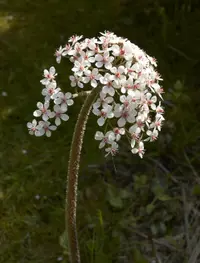
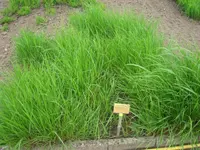
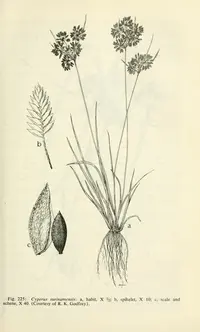
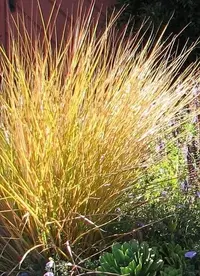
Tropical flatsedge (Cyperus surinamensis) is a clumping, grass-like sedge with narrow leaves and distinctive umbrella-shaped flower clusters on upright stems. It has a soft, fountain-like habit that can form dense stands in suitable conditions.

This species is native to tropical and subtropical regions of the Americas and often grows in wet areas such as ditches, marsh edges, and riverbanks. It favors consistently moist to wet soil and full sun to light shade.

The plant grows quickly and can self-seed where conditions are ideal, so it may spread if not managed. For gardeners learning how to care for tropical flatsedge, its main requirements are steady moisture and enough light, rather than complex maintenance tasks.

Main Plant Requirements

Care Difficulty

Moderate Care

Light Preference

Full Sun

Water Requirements

Aquatic

Temperature Preference

Tropical / Frost Sensitive

Hardiness Zone

9–13

Soil Texture

Loamy, Silty, Organic-rich

Soil pH

Acidic (5.5–6.5), Slightly acidic (6.5–7.0)

Soil Drainage

Waterlogged tolerant

Fertilization

Light (every 4–6 weeks)

Get Personalized Care Plan

Scan your plant to receive care tips personalized for your specific plant

Available on iOS and Android

How to Care for the tropical flatsedge

This wetland sedge prefers bright conditions that mimic open, sunny marshes.

  • Provide 4–6 hours of direct morning sun with light shade or filtered light in the afternoon to prevent leaf scorch.
  • It tolerates partial shade, but stems may elongate and become weaker if light drops below about 3–4 hours of sun daily.
  • In hot summers, especially for tropical flatsedge in exposed sites, protect from intense 1–4 p.m. sun and monitor for bleached or crisping leaf tips as a stress sign.

This species thrives in consistently moist to saturated conditions and dislikes drying out.

  • Maintain soil that is always damp; do not allow the top 1–2 cm to dry fully, especially during active growth in spring and summer.
  • In cooler months, reduce water slightly so the soil stays moist but not stagnant, watching that the surface never becomes powder-dry or cracked.
  • Wilting, browning tips, or hollow, brittle stems suggest underwatering, while sour odor, algae crust, or black, mushy roots indicate excess water with poor drainage for Cyperus surinamensis.

This warm-climate sedge grows best in consistently mild to hot conditions without frost.

  • Aim for 70–90°F (21–32°C) for strongest growth, typical of long, warm summers in its native range.
  • Plant begins to suffer below 55°F (13°C) and is usually killed by frost; protect if night lows approach 32°F (0°C).
  • It tolerates short heat waves up to about 100°F (38°C) if soil stays saturated, but prolonged extreme heat with drying winds can cause leaf tip burn and stalled growth.

This species prefers consistently high humidity and reacts quickly to dry air.

  • Aim for 60–80% humidity, similar to a marshy environment, for vigorous growth of tropical flatsedge.
  • Leaf tips browning, folding, or crisp margins indicate humidity stress rather than underwatering.
  • Increase humidity with a nearby humidifier, grouped moisture-loving plants, and wide trays of water and pebbles placed close to the pot.

Cyperus surinamensis thrives in saturated, organic-rich substrates that mimic swamp or marsh edges.

  • Use a dense, loamy mix with 50–70% peat or coco coir plus compost, blended with a smaller portion of sand to prevent compaction.
  • Allow very slow drainage or even standing water in a cache pot or saucer, as this species tolerates waterlogged conditions better than drying out.
  • Target a slightly acidic to neutral pH around 6.0–7.0 to support nutrient availability and stable growth.
  • Avoid coarse, fast-draining cactus or bark-heavy mixes that dry quickly, since they lead to leaf browning and weak, sparse clumps.

This species is well suited to containers, especially for wet or water-garden style setups.

  • Choose a wide, stable pot to accommodate lateral rhizome spread and prevent tipping as the foliage forms dense clumps.
  • Select a heavy material such as ceramic or terracotta to anchor the container when filled with saturated, top-heavy growth.
  • Use minimal or no drainage if placing the pot inside a decorative outer container, maintaining a constant shallow water reservoir without flooding nearby surfaces.

This wetland sedge responds well to light, consistent feeding during the warm growing season.

  • Use a balanced liquid fertilizer (around 10-10-10) at 1/4–1/2 strength every 4–6 weeks in spring and summer for Cyperus surinamensis.
  • Alternatively, apply a thin layer of compost or a low-dose slow-release aquatic or general-purpose fertilizer at the start of the season.
  • Skip feeding in fall and winter or when growth slows, since many tropical flatsedge plants rest in cooler, low-light conditions.
  • Always apply fertilizer to moist substrate to reduce root burn and avoid overfeeding in nutrient-rich ponds or bogs.

Pruning is mainly used to keep Cyperus surinamensis tidy and to remove declining foliage.

  • Best time for pruning is late winter to early spring, before strong new growth, and as needed through summer.
  • Cut dead, yellowing, or damaged stems at the base to reduce disease risk and improve appearance.
  • Thin overly crowded clumps by removing entire stems to maintain airflow and a balanced, upright form.
  • Use clean, sharp scissors or hand pruners, disinfected between plants to limit pathogen spread.

Container-grown or pond-basket Cyperus surinamensis benefits from periodic transplanting to refresh space and substrate.

  • Plan to repot or divide every 1–2 years, ideally in spring, once roots circle the container or growth appears stunted.
  • Moisten the soil, then gently slide the root mass out, teasing apart roots rather than tearing them to reduce stress.
  • Trim any rotten or blackened roots, then replant at the same depth in a slightly larger pot with rich, consistently wet soil.
  • Water thoroughly after planting, keep the root zone saturated, and shade for a few days to help recovery.

This sedge is commonly propagated to expand plantings or refresh older clumps.

  • Division is the most reliable method for Cyperus surinamensis; divide mature clumps in spring or early summer.
  • Lift the plant, then separate small sections with several stems and healthy roots using a clean knife or hands.
  • Replant divisions into wet, organic-rich soil or shallow water, keeping crowns just above the soil surface.
  • For seed, sow on the surface of moist substrate in warm (70–80°F), bright conditions and do not allow drying.

This tropical sedge is frost-sensitive and needs protection in regions with cold winters.

  • In USDA zones below about 9, grow in containers or pond baskets so plants can be shifted when temperatures drop.
  • Before first frost, move containers indoors or into a heated greenhouse with bright light and above 55°F.
  • In mild climates, apply a light mulch around outdoor clumps to buffer short cool spells without waterlogging the crowns.

Care Tips

Rotate Containers

Rotate pots or trays by 90° every 1–2 weeks so the clumps receive even light from all sides and develop upright, balanced stems instead of leaning strongly in one direction.

Refresh Water Zone

If grown in a saucer or water tray, empty and refill the standing water every 5–7 days to prevent stagnation, algae buildup, and mosquito larvae while maintaining the consistently wet conditions this species prefers.

Divide Crowded Clumps

Every 1–2 years, lift and split congested root masses into smaller sections with several stems each, then replant at the same depth to keep growth vigorous and prevent the center of the clump from thinning out.

Use Shallow Basins

Plant in broad, shallow basins instead of deep narrow pots to create a wider saturated zone, which encourages dense side-shoot production and a fuller stand of foliage when growing tropical flatsedge.

Support Tall Stems

In windy or exposed spots, insert low hoop supports or discreet canes around the outer ring of stems before they reach full height so the foliage forms a self-supporting thicket rather than flopping or snapping.

Common Pests and Diseases

Spider mites

This pest thrives on Cyperus foliage in warm, dry indoor air and can cause fine stippling, dull leaves, and webbing between stems and leaf bases.

Solution

Rinse foliage thoroughly with a strong but gentle stream of water, focusing on the undersides of leaves, then increase humidity and reduce heat stress; for persistent infestations, use insecticidal soap or a neem oil spray every 7–10 days until no new damage appears.

Aphids

These insects cluster on tender stem tips and new shoots, sucking sap and causing distorted, sticky growth that may attract sooty mold.

Solution

Wash stems and foliage with lukewarm water to dislodge colonies, then treat remaining insects with insecticidal soap; remove heavily infested shoots and avoid overfertilizing with high-nitrogen products that encourage soft, aphid-prone growth.

Leaf blight

This disease favors constantly wet foliage and poor air movement, leading to brown, water-soaked spots that can expand and cause large portions of the leaf to collapse.

Solution

Remove and discard affected leaves, improve spacing and airflow around the clump, water at the base rather than over the foliage, and if spread continues, apply a copper-based or chlorothalonil fungicide according to label directions.

Leaf spot

Symptoms include scattered small brown to purplish spots on leaves, sometimes with a yellow halo, which can merge and weaken the plant if moisture remains high on the foliage for long periods.

Solution

Trim off the most affected leaves, avoid overhead watering, keep the plant in bright light with good air circulation, and use a broad-spectrum ornamental fungicide if new spotting appears despite cultural corrections.

Interesting Facts

Neotropical wetland specialist

This species is native to lowland wetlands of northern South America, Central America, and parts of the Caribbean, where it grows in shallow water, marshes, and along slow-moving streams and ditches.

Clumping sedge growth

It forms dense, upright clumps with many culms (stem-like shoots), creating thick stands that can stabilize soft, muddy substrates and provide microhabitats for invertebrates and small aquatic animals.

Wind‑driven seed dispersal

Its small, dry fruits (achenes) are produced in loose clusters at the top of the stems and are primarily dispersed by wind, which allows the plant to colonize new open, muddy or seasonally wet sites relatively quickly.

FAQs about tropical flatsedge

Brown tips or edges usually result from low humidity, underwatering, or excess fertilizer salts. Improve moisture consistency, flush the potting mix occasionally, and keep the plant away from hot, dry drafts to reduce further browning.

Grow Healthy Plants with Botan Care

Keep your plants happy and healthy with plant identification, disease detection, and easy care guidance.

Botan plant care app — identify plants on mobile

Explore More Plants