
Control Water Depth
Maintain a stable water depth of 5–20 cm above the crown during the growing season and lower it gradually in late autumn to reduce stress and discourage rot in overwintering organs.


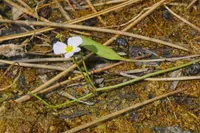
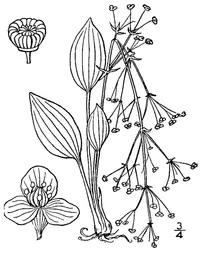
Narrowleaf water plantain (Alisma gramineum) is an aquatic or semi-aquatic perennial found in shallow freshwater, such as ponds, ditches, and slow streams. It typically forms clumps of narrow, grass-like leaves emerging from the water or muddy margins.
The plant produces small, pale flowers on branching stems held above the foliage. It spreads by seed and short rhizomes, but usually remains modest in size in garden ponds.
This species prefers calm, clean water and a consistently wet, fine-textured substrate rather than fast-flowing or polluted sites. Understanding how to care for narrowleaf water plantain mainly involves keeping stable water levels and avoiding strong disturbance around its roots.

Care Difficulty
Moderate Care

Light Preference
Full Sun

Water Requirements
Aquatic

Temperature Preference
Cool Climate

Hardiness Zone
4–8

Soil Texture
Sandy, Loamy, Silty

Soil pH
Slightly acidic (6.5–7.0), Neutral (7.0)

Soil Drainage
Waterlogged tolerant

Fertilization
Minimal (feed rarely)
Scan your plant to receive care tips personalized for your specific plant
Available on iOS and Android
This aquatic species prefers bright conditions in open, shallow water sites.
This plant is adapted to standing or very slow-moving shallow water rather than fluctuating moisture.
This hardy aquatic perennial tolerates a wide range of outdoor temperatures when its roots stay submerged.
This aquatic species relies on high humidity and saturated air around foliage for stable growth.
This plant prefers permanently wet, fine-textured substrates that mimic shallow pond or slow-ditch conditions.
This species adapts well to container culture when kept as a bog or shallow-water plant.
Alisma gramineum growing in nutrient-poor, shallow water benefits from light, targeted fertilization only during active growth.
Pruning Alisma gramineum is mainly hygienic, helping maintain water quality and plant vigor rather than tight shaping.
This species is usually grown in ponds or water gardens, so care focuses on transplanting clumps or refreshing aquatic baskets rather than frequent repotting.
Alisma gramineum is commonly propagated by division and by seed, both suited to shallow aquatic setups.
Alisma gramineum is cold hardy in many temperate climates and generally needs minimal winter attention in established ponds.

Plant Health Check
Not sure what's wrong with your plant? Check your plant's health inside the app.
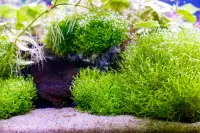
This species can grow both fully submerged and emersed, changing its leaf shape from long, ribbon-like underwater leaves to narrower aerial leaves when water levels drop.
Its fibrous root system anchors loosely packed lake and river sediments, which helps reduce erosion and maintain clearer, more stable shallow-water habitats.
The plant is typically found in seasonally fluctuating shorelines, such as drawdown zones of lakes and slow rivers, where it tolerates repeated cycles of flooding and exposure that many other aquatic plants cannot handle.
Alisma gramineum is considered rare or threatened in several European and North American regions because of shoreline modification, water regulation, and nutrient enrichment, and it is often used as an indicator of relatively undisturbed, oligotrophic or mesotrophic shallow-water habitats.
Yellowing leaves usually come from unstable water depth, nutrient-poor or very anaerobic mud, or natural aging of older foliage. Check that the crown stays just below shallow water, refresh nutrient-rich substrate, and remove oldest leaves.
Keep your plants happy and healthy with plant identification, disease detection, and easy care guidance.