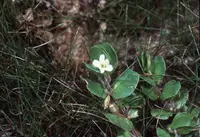
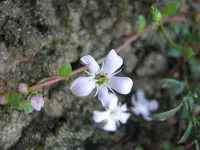
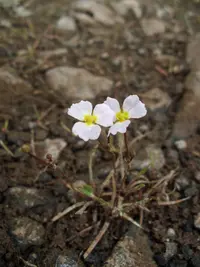
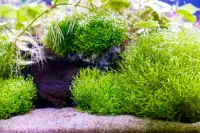
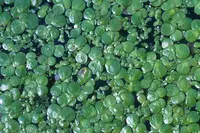
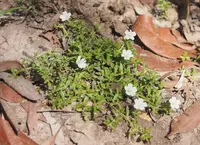
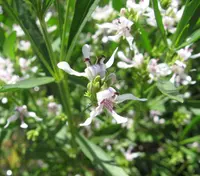
creeping water-plantain Care (Baldellia repens)

creeping water-plantain

About creeping water-plantain

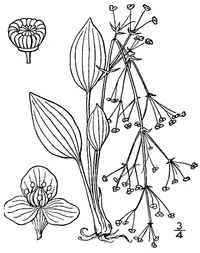
Creeping water-plantain, Baldellia repens, is a small aquatic or bog plant that forms low, spreading mats near shallow water edges and in wetlands. Its narrow leaves and small pale flowers create a soft, ground-hugging look that suits naturalistic pond margins and water gardens.

This species occurs naturally in parts of Europe and North Africa, typically in slow-moving or still freshwater habitats with consistently moist substrates. It is generally considered easy to grow if it receives ample moisture, cool to mild temperatures, and low to moderate light, which helps prevent stress in shallow plantings.

Gardeners who want to learn how to care for creeping water-plantain mainly need to focus on stable water levels and a nutrient-rich, fine-textured substrate.

Main Plant Requirements

Care Difficulty

Moderate Care

Light Preference

Full Sun

Water Requirements

Aquatic

Temperature Preference

Cool Climate

Hardiness Zone

6–9

Soil Texture

Sandy, Loamy, Organic-rich

Soil pH

Acidic (5.5–6.5), Slightly acidic (6.5–7.0)

Soil Drainage

Waterlogged tolerant

Fertilization

Minimal (feed rarely)

Get Personalized Care Plan

Scan your plant to receive care tips personalized for your specific plant

Available on iOS and Android

How to Care for the creeping water-plantain

This marginal aquatic species prefers bright, gentle light rather than intense midday sun.

  • Provide 4–6 hours of sun daily, ideally morning sun with light afternoon shade, especially in shallow water or small ponds.
  • Tolerates partial shade (around 2–4 hours of direct light) but flowering and compact growth of creeping water-plantain improve with a bit more sun.
  • In hot summers, protect from harsh afternoon sun to prevent leaf scorch; in cooler seasons, allow more direct light to support growth.

This plant is adapted to consistently wet to shallowly flooded conditions rather than fluctuating dry soil.

  • Grow Baldellia repens at the pond margin or in 2–10 cm of standing water, or keep the soil saturated so it never fully dries out.
  • If grown in very shallow water or saturated soil, watch for leaves wilting, folding, or browning at the tips as signs of underwatering.
  • Yellowing, soft, or rotting crowns indicate stagnant, poorly oxygenated conditions; improve water movement or drainage around the roots.

This aquatic marginal plant prefers mild to warm temperatures and dislikes hard freezes or extreme heat.

  • Optimal growth occurs around 65–77°F (18–25°C), with steady warmth promoting faster spreading and flowering.
  • The plant can usually tolerate short dips to about 41–45°F (5–7°C), but foliage may decline and growth slows markedly.
  • Prolonged frost below 32°F (0°C) can damage crowns, while temperatures above 90°F (32°C) combined with strong sun may cause leaf scorch and stress.

This semi-aquatic species does not need high air humidity, as long as the root zone stays consistently wet.

  • Targets 40–60% air humidity while keeping the water level at or just above the crown for stable growth.
  • Tolerates drier household air if submerged or in a constantly waterlogged basket, so foliage humidity is less critical.
  • Watch for crisp leaf tips or slowed new growth as signs of low root moisture rather than low air humidity, and raise water level or frequency.

Baldellia repens thrives in permanently wet, loose, organic-rich substrates rather than typical houseplant mixes.

  • Use a fine loam or clay-loam with 30–50% organic matter such as compost or leaf mold to hold nutrients under water.
  • Maintain constant saturation or shallow submersion; free-draining potting soil that dries between waterings is unsuitable.
  • Aim for mildly acidic to neutral conditions, roughly pH 6.0–7.2, which supports healthy root function and leaf color.
  • For containers, mix loam with clean sand or fine gravel to prevent compaction while still limiting rapid water loss.

This species is well suited to container culture, especially in ponds, water bowls, or trays kept constantly wet.

  • Choose a wide, shallow container so creeping stems can spread horizontally while roots remain fully submerged or saturated.
  • Use a heavy pot or add a gravel layer to prevent tipping if the container sits in moving water or outdoor wind.
  • Position the pot so the rim is just above water level, which stabilizes the plant and simplifies trimming and access for maintenance.

This marginal aquatic, often known as creeping water-plantain, grows in low‑nutrient conditions and needs only light feeding in containers or poor substrates.

  • Use a balanced liquid fertilizer (for example 10‑10‑10) at 1/4–1/2 strength for container or pond-basket plants.
  • Feed every 4–6 weeks during the active growing season, once water temperatures are reliably mild.
  • Avoid fertilizing in winter or when growth is very slow to prevent weak, lush, algae-promoting growth.
  • Slow-release aquatic tablets or a thin layer of well-aged compost in baskets are suitable, keeping fertilizer away from direct water flow.

Baldellia repens benefits from light, maintenance pruning to keep shallow-water plantings tidy and flowering well.

  • Trim spent flower stalks at the base through the growing season to encourage repeat blooming and reduce self-seeding.
  • Remove yellowing, damaged, or decaying leaves with clean scissors to limit rot and algae build-up in the water.
  • Thin congested clumps in late spring or early summer, cutting out crowded rosettes to maintain an open, spreading form.
  • Disinfect cutting tools before and after use to reduce the risk of transmitting fungal or bacterial diseases between plants.

This species is usually grown in shallow water or boggy soil, so focus on transplanting clumps rather than frequent repotting.

  • Transplant every 2–3 years or when growth becomes sparse in the center, roots fill pond baskets, or the patch spreads beyond its space.
  • Choose spring or early summer, when water is warming and plants are actively growing, to support quick re-establishment.
  • Lift clumps gently, rinse off excess mud, and tease apart crowded roots, discarding old, weak sections and keeping vigorous rosettes.
  • Replant divisions into fresh aquatic soil or loam, firm gently, then keep water depth stable to minimize root stress during recovery.

This aquatic is commonly propagated by division and can also be grown from seed with suitable warm, shallow-water conditions.

  • Divide mature clumps in spring, lifting and separating rosettes with healthy roots into small sections.
  • Replant divisions into shallow trays or baskets filled with heavy loam or aquatic soil, then submerge so crowns sit just at or above water level.
  • Sow fresh seed on the surface of wet, fine substrate and keep in bright light with consistently shallow water until germination.
  • Maintain stable temperatures and avoid strong water movement around young plants to support root formation and early growth.

In mild to moderately cold climates, Baldellia repens is fairly hardy and usually needs only modest winter attention.

  • In planted ponds, maintain crowns below the ice line where water does not freeze solid around the roots.
  • Apply a thin mulch of compost or leaf litter over marginal soil plantings in late fall in regions with persistent frost.
  • Move container or basket-grown plants indoors to a cool, bright, frost-free space if winter temperatures drop well below freezing.

Care Tips

Stabilize Substrate Edges

Use a fine gravel or sand border around the planting zone so the creeping stems root securely and do not float or wash out when water levels fluctuate or during filter outflow.

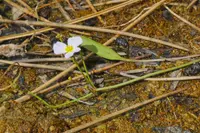
Control Water Depth

Maintain a shallow water layer of about 2–5 cm above the crown during active growth by using bricks or inverted pots under containers, then lower the level slightly in cooler months to reduce rot risk.

Trim Flower Stalks

Remove spent flower stalks just above the foliage to prevent unwanted self-seeding, keep the colony compact, and encourage the plant to allocate more energy to vegetative spread.

Divide Colonies Regularly

Every 1–2 years, lift and divide congested mats into several smaller clumps, replanting them 5–10 cm apart to renew vigor and maintain an even, low carpet when growing creeping water-plantain.

Shield From Water Agitation

Place the plant away from waterfalls, strong pumps, or return jets, or use rocks as a baffle, so leaves and runners are not constantly battered by moving water and can establish stable growth.

Common Pests and Diseases

Aquatic snails

This pest often grazes on tender leaves and flower stalks, leaving irregular holes and shredded margins. Symptoms include slow decline of new growth in shallow or still water sections.

Solution

Hand-pick snails at dusk or use lettuce leaves as bait and remove them daily, and reduce excess decaying plant matter that shelters them. In containers or small ponds, install fine mesh barriers on inlets and avoid introducing unquarantined plants or substrate that may carry snail eggs.

Algae overgrowth

This problem competes with the plant for light and nutrients, often coating leaves and stems in green or brown film. Symptoms include stunted growth and poor flowering, especially in nutrient-rich, still water.

Solution

Limit dissolved nutrients by avoiding overfertilizing, provide partial shade during the hottest hours, and increase water movement with a small pump or fountain. Manually remove filamentous algae from leaves and surfaces, and perform partial water changes to keep nutrient levels balanced when growing creeping water-plantain in containers or small ponds.

Leaf spot

This disease causes small brown, tan, or dark purplish spots that may merge and distort the thin emergent leaves. Symptoms include premature yellowing and collapse of older foliage in warm, stagnant conditions.

Solution

Remove and discard affected leaves, then improve water circulation and avoid prolonged overhead splashing on foliage if grown in very shallow trays. If the problem persists, reduce plant density to improve airflow above the water surface and use a copper-free fungicide labeled for aquatic or marginal plants according to label directions.

Crown rot

This disease affects the basal rosette where leaves meet the rhizome, causing soft, water-soaked tissue and rapid collapse of the entire tuft. Symptoms include foul smell and blackening at the crown, especially in warm, oxygen-poor water or heavy anaerobic substrates.

Solution

Carefully remove and dispose of affected plants, including any soft rhizome sections, and replace foul or compacted substrate with fresh, well-rinsed sand or fine gravel. Improve water quality with partial water changes, ensure moderate water movement, and avoid burying crowns too deeply so that the growing point stays just at or above the substrate surface.

Interesting Facts

Natural amphibious growth

This species can grow both submerged and emersed, forming fine underwater foliage and then producing short aerial flowering stems when water levels drop or along muddy margins.

Miniature waterplantain flowers

It produces delicate 3-petaled white to pale pink flowers only a few millimeters across, often with a faintly darker center, arranged loosely along slender stalks above the water or mud surface.

Specialist of shallow margins

In nature it typically occupies very shallow water, seepage zones, and the exposed edges of ponds and ditches, where gentle fluctuations in water level give it a competitive advantage over fully terrestrial plants.

Botan icon

Did you know?

In suitable conditions, Baldellia repens can spread into low, dense mats across mud and very shallow water, providing fine-rooted coverage that helps stabilize soft substrates and offers microhabitats for small aquatic invertebrates and fish fry.

FAQs about creeping water-plantain

This species spreads steadily by creeping stems and self-seeding, but is usually manageable in garden ponds. It can form low mats in shallow margins, so occasional thinning or division keeps it from overrunning smaller water features.

Grow Healthy Plants with Botan Care

Keep your plants happy and healthy with plant identification, disease detection, and easy care guidance.

Botan plant care app — identify plants on mobile

Explore More Plants