Creeping Dentella Care (Dentella repens)

Creeping Dentella

About Creeping Dentella

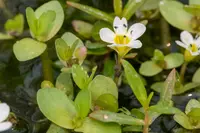
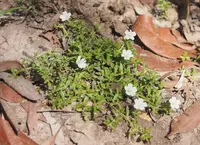
Creeping dentella (Dentella repens) is a small, mat-forming aquatic or semi-aquatic plant often used in aquariums, terrariums, and as a damp groundcover. It produces tiny, closely spaced leaves on very fine stems that spread horizontally and create a dense, bright green carpet.

In nature, it occurs in moist, lowland areas across parts of Asia and Australia, usually along stream margins, wetlands, and seasonally flooded ground. Its delicate size makes it visually appealing but slightly demanding, as it dislikes drying out and needs stable moisture and gentle handling.

Once established in suitable light and consistently moist, fine-textured substrate, many growers find it relatively straightforward to care for Creeping Dentella.

Main Plant Requirements

Care Difficulty

Moderate Care

Light Preference

Partial Shade

Water Requirements

Keep Soil Moist

Temperature Preference

Tropical / Frost Sensitive

Hardiness Zone

10–11

Soil Texture

Loamy, Silty, Organic-rich

Soil pH

Acidic (5.5–6.5), Slightly acidic (6.5–7.0)

Soil Drainage

Moist but well-drained

Fertilization

Light (every 4–6 weeks)

Get Personalized Care Plan

Scan your plant to receive care tips personalized for your specific plant

Available on iOS and Android

How to Care for the Creeping Dentella

This low-growing groundcover prefers soft, indirect light that mimics a forest-edge habitat.

  • Provide 3–5 hours of bright, filtered light or gentle morning sun; protect from intense midday and afternoon sun that can scorch leaves.
  • Allow light partial shade, especially in hotter regions; dense, deep shade leads to sparse growth and stretched, pale stems in Creeping Dentella.
  • In summer, use dappled shade under taller plants; in cooler seasons, shift to slightly brighter exposure to compensate for shorter days.

This trailing species prefers evenly moist, not saturated, soil for consistent growth.

  • Water when the top 2–3 cm of soil feel slightly dry; surfaces may look dull rather than dark and wet before the next watering.
  • Use well-draining soil so excess water clears within 1–2 minutes; yellowing, mushy stems indicate overwatering, while crisp, curling leaves suggest underwatering.
  • In cooler months, extend the interval between waterings as growth slows; in active warm-season growth, check moisture more often, especially in exposed sites.

This plant grows best in mild, frost-free conditions with stable temperatures.

  • Aim for 65–80°F (18–27°C) for active growth; Dentella repens maintains denser foliage and faster spread in this range.
  • Avoid temperatures below 40°F (4°C); light frost can damage foliage, while repeated freezes may kill roots and stolons.
  • In hot weather above 86°F (30°C), increase shade and air movement to prevent stress; reduce transplanting or division during temperature extremes in any season.

This species prefers moderate to high humidity and reacts quickly to very dry air.

  • Aim for 50–70% humidity to keep foliage dense and green for Creeping Dentella.
  • Crisping leaf edges, slowed spread, and pale, thinning mats indicate humidity is too low.
  • Increase humidity with nearby pebble trays, grouping with other plants, or a small humidifier rather than misting leaves directly.

Dentella repens grows best in consistently moist, airy soil that does not stay waterlogged.

  • Use a fine-textured, loamy mix with high organic matter so stems can root along the surface.
  • Combine about 2 parts all-purpose potting mix with 1 part compost and 1 part fine perlite or sand for better drainage and aeration.
  • Keep the mix evenly moist but not soggy; excess water should drain freely within a few minutes of watering.
  • Avoid heavy garden soil or dense peat-only mixes that compact, stay saturated, and suffocate shallow roots.

This plant is well suited to container growing, especially for trailing or edging displays.

  • Choose a shallow, wide container so stems can spread and root along the surface instead of growing deep.
  • Select a pot material that holds some moisture, such as plastic or glazed ceramic, to prevent the thin roots from drying out too fast.
  • Ensure multiple drainage holes so water exits quickly, preventing the constantly moist soil from turning anaerobic at the bottom.

This low-growing aquatic or bog plant benefits from light, consistent feeding during active growth but does not need heavy fertilization.

  • Use a balanced liquid fertilizer (for example 10-10-10) at 1/4–1/2 strength for Creeping Dentella in containers or indoor setups.
  • Apply every 2–4 weeks during spring–summer when growth is active, especially in warm, bright conditions.
  • Reduce or stop feeding in fall–winter when growth slows, particularly in cooler rooms or low light.
  • For soil-grown patches, incorporate a small amount of fine compost or slow-release aquatic pellets at the start of the growing season.

Pruning helps keep Dentella repens dense, low, and tidy, especially in containers, aquariums, or edging beds.

  • Best time is during active growth in spring–summer, when the plant recovers and fills in quickly.
  • Snip back long, leggy runners to encourage branching and a thicker mat of foliage.
  • Remove dead, yellowing, or damaged stems with small scissors to maintain health and reduce rot.
  • Use clean, sharp scissors or aquascaping shears, cutting just above a node to promote new side shoots.

Dentella repens is often grown in shallow containers, margins, or aquariums, where occasional transplanting helps maintain healthy growth.

  • Repot or transplant when roots circle the pot, growth slows, or the mat becomes crowded or lifts from the substrate.
  • Aim to divide and move plants in spring or early summer, when temperatures are mild and growth is active.
  • Typical frequency is every 1–2 years in containers, or when coverage becomes too dense for the space.
  • Gently loosen and separate small sections, keep roots moist, replant at the same depth, then shade slightly and keep evenly damp for 1–2 weeks.

Dentella repens is commonly propagated by division and stem cuttings, which root quickly under suitable moisture and warmth.

  • Best season is spring–summer, when plants grow actively and produce many healthy runners.
  • For division, lift a small mat section, tease into pieces with roots attached, and replant into moist soil or aquatic substrate.
  • For cuttings, trim 5–8 cm stem tips with several nodes, then press nodes into damp substrate or rock wool under bright, indirect light.
  • Maintain high humidity and consistent moisture to prevent wilting, and avoid strong currents in aquariums until roots anchor.

This species has low frost tolerance and usually needs mild conditions or shelter during winter in cooler climates.

  • In zones with frost, treat outdoor plantings as annuals or lift sections and overwinter indoors in bright, cool rooms above 55°F.
  • Move container-grown plants indoors before nights drop near 40°F, keeping them in high humidity and moderate light.
  • In mild climates, a light mulch around the root zone can buffer brief cool spells without waterlogging the crown.

Care Tips

Encourage Dense Mats

Pinch or trim back longer runners every 3–4 weeks to trigger side branching, which helps the plant form a thicker, more even carpet instead of sparse, straggling growth when growing Creeping Dentella.

Edge Containment Strategy

Install a shallow plastic or metal edging strip 2–3 cm deep around beds or pots to stop stems from rooting beyond the intended area and to make it easier to lift or divide sections later.

Rooted Runner Renewal

Every 12–18 months, gently lift and cut off older, woody central sections and replant the younger rooted runners at the edge to keep the planting vigorous and reduce decline in the middle of the patch.

Shallow Pot Selection

Use wide, shallow containers rather than deep narrow ones to match the plant’s surface-running root system and achieve faster fill-in with less unused soil volume.

Moisture Mapping Check

Slide a plant label or thin stick 3–4 cm under the mat in several spots to feel for hidden dry patches or oversaturated zones and adjust irrigation pattern or emitter placement accordingly.

Common Pests and Diseases

Spider mites

This pest often appears on fine, dense foliage in warm, dry indoor conditions and causes tiny pale stippling on the leaves and fine webbing between stems. Symptoms include slow decline, dull foliage, and leaf edge drying in dense mats of growth.

Solution

Rinse the foliage thoroughly under a gentle shower or sink spray, focusing on leaf undersides, then repeat every few days for 2–3 weeks to break the life cycle. Increase humidity around the plant, thin overly dense patches to improve airflow, and, if needed, apply a neem oil or insecticidal soap spray labeled for mites, following directions carefully.

Aphids

These insects feed on tender creeping shoots and new tips, causing distortion, yellowing, and sticky honeydew on the foliage. Ants may be attracted to the honeydew, and sooty mold can develop on the sticky surfaces.

Solution

Pinch or trim heavily infested shoot tips and wash remaining stems and leaves with a strong but gentle stream of water to dislodge insects. For persistent colonies, use an insecticidal soap or horticultural oil spray, repeating at 5–7 day intervals until no new aphids appear, and avoid overfertilizing, which encourages soft, aphid-prone growth.

Mealybugs

This pest hides in the tight nodes and runners of the mat-forming stems and appears as white, cottony clusters. Symptoms include sticky residue, localized yellowing, and poor spreading growth in affected areas.

Solution

Isolate the plant, then dab visible insects with cotton swabs dipped in 70% isopropyl alcohol and remove any heavily infested runners. Follow with repeated applications of insecticidal soap or neem oil, making sure to reach into stem joints and undersides, and inspect regularly for several weeks to catch any re-emerging insects.

Leaf blight

This disease causes irregular brown or tan spots that can merge into larger blighted patches, especially where foliage stays wet and crowded. Symptoms include rapid browning and dieback of sections of the creeping mat, often starting in the densest, shadiest areas.

Solution

Trim out and discard affected foliage to reduce inoculum, then avoid wetting leaves during irrigation and allow the surface to dry between waterings. Improve air movement by thinning dense growth, spacing pots, and, if needed, apply a copper-based or other labeled ornamental foliar fungicide according to the product label as part of broader Dentella repens plant care.

Interesting Facts

Amphibious growth habit

Dentella repens is naturally adapted to grow both submerged in shallow water and on wet soil, which is why it is used as a carpeting plant in aquariums and in moist groundcovers in the tropics.

Tiny star-shaped flowers

The plant produces very small, star-like white flowers close to the stem, which are pollinated by small insects in its native habitats across South and Southeast Asia and northern Australia.

Mat-forming stolons

It spreads by slender, creeping stolons (above-ground runners) that root at the nodes, allowing it to form dense, low mats that help stabilize moist soil and reduce erosion along water edges.

FAQs about Creeping Dentella

Growth is moderately fast under warm, humid conditions, forming a low mat within a growing season. In ideal conditions it can extend several centimeters per month, but growth slows noticeably in cool temperatures or low light.

Grow Healthy Plants with Botan Care

Keep your plants happy and healthy with plant identification, disease detection, and easy care guidance.

Botan plant care app — identify plants on mobile

Explore More Plants