beauty bush alga Care (Callithamnion pikeanum)

beauty bush alga

About beauty bush alga

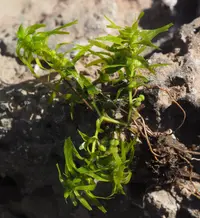
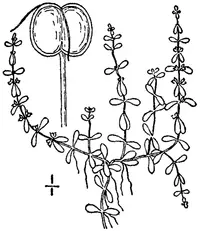
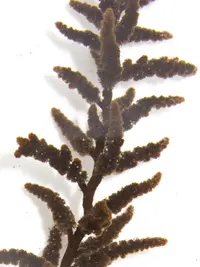
Beauty bush alga, Callithamnion pikeanum, is a delicate red marine alga valued in coldwater marine aquariums and educational displays. It forms fine, feathery branching fronds that create a soft, bushy look. Colors range from pink-red to deep crimson under suitable light.

In nature, it typically grows attached to rock, shells, or other hard substrates in cool, clean coastal waters. It prefers stable, well-oxygenated water and does not tolerate large swings in temperature, salinity, or nutrients, which can make it moderately challenging to maintain.

Aquarists who care for beauty bush alga focus on steady conditions, gentle water movement, and moderate light to preserve its structure and color.

Main Plant Requirements

Care Difficulty

Hard Care

Light Preference

Partial Shade

Water Requirements

Aquatic

Temperature Preference

Tropical / Frost Sensitive

Hardiness Zone

Unknown

Soil Texture

Organic-rich

Soil pH

Slightly acidic (6.5–7.0)

Soil Drainage

Waterlogged tolerant

Fertilization

Minimal (feed rarely)

Get Personalized Care Plan

Scan your plant to receive care tips personalized for your specific plant

Available on iOS and Android

How to Care for the beauty bush alga

This marine red alga prefers bright, gentle light that mimics clear but not overly shallow coastal waters.

  • Provide 4–6 hours of bright, filtered light per day, avoiding harsh midday sun that can bleach or scorch delicate fronds.
  • Locate beauty bush alga where it receives morning sun and light shade or indirect light in the afternoon, especially in shallow setups.
  • In summer, reduce exposure during intense sun and use shade cloth or deeper placement; in winter, increase light duration with supplemental lighting if growth slows.

Callithamnion pikeanum needs consistently clean, well-oxygenated water rather than soil-based watering.

  • Maintain stable water depth and gentle water movement; avoid stagnant conditions, which encourage film algae and decay of fine branches.
  • Monitor for pale, thinning fronds as a sign of insufficient nutrient-rich water exchange, and for slimy, darkening tissue as a sign of poor water quality or excess organic load.
  • Adjust water changes seasonally, increasing frequency in warmer months when biological activity is higher, and ensure any substrate or hardscape allows free water flow around the thallus.

This species develops best in cool to mild marine conditions and reacts poorly to sudden temperature swings.

  • Aim for 59–68°F (15–20°C) as the primary range for steady growth, avoiding rapid shifts greater than 3–4°F (2°C) within a day.
  • Protect it from cold below about 50°F (10°C), where tissue damage and dieback become more likely, especially with extended exposure.
  • Limit heat above 72–75°F (22–24°C) by increasing aeration and shading; sustained temperatures near 77°F (25°C) or higher often cause stress, fading, and fragmentation.

This red marine alga prefers steadily moist, cool, high-humidity conditions in its aquarium or marine setup.

  • Aim for 70–90% relative humidity above the water surface by limiting strong airflow and covering most of the tank top.
  • Beauty bush alga reacts to dry air with dulling color, frayed tips, and slower growth along its fronds.
  • Increase humidity by reducing lid gaps, adding gentle aeration instead of splashy bubbling, and locating the tank away from heating vents.

This species is a marine red alga and does not grow in terrestrial soil, so substrate choice focuses on stable attachment and water flow rather than soil nutrients.

  • Use inert marine substrates such as fine aragonite sand, small rubble, or smooth rock that allow secure attachment without trapping detritus.
  • Ensure strong water movement around the thallus so no compacted areas or dead spots collect organic waste and smother Callithamnion pikeanum.
  • Maintain stable marine chemistry (salinity, alkalinity, and pH 8.0–8.4) through regular water changes instead of relying on nutrient-rich substrates.
  • Avoid mud, clay, or nutrient-loaded substrates that encourage nuisance algae and reduce oxygenation around the algal filaments.

This alga is suitable for container growing in marine aquariums or dedicated macroalgae refugia.

  • Choose a stable, wide-based container or section to prevent rock structures holding the alga from shifting in strong flow.
  • Use shallow to moderate water depth so light penetrates well to the attachment point without excessive shading from other structures.
  • Select container materials that resist leaching and maintain salinity stability, such as glass or marine-safe acrylic rather than porous, untreated plastics.

This delicate red alga benefits from only light, carefully controlled nutrition in cultivation.

  • Use a very dilute balanced liquid fertilizer (for example 10-10-10) at 1/4–1/8 strength formulated for aquatic or marine systems.
  • Apply during active growth only, typically spring–summer, every 4–6 weeks if growth appears weak or pale.
  • Avoid organic compost or slow-release pellets, which can foul the water and stress beauty bush alga.
  • Skip feeding in winter or any dormant phase, and always pair fertilization with stable light, salinity, and water quality.

Pruning Callithamnion pikeanum focuses on maintaining healthy, open fronds and stable water flow.

  • Trim dead, decaying, or discolored branches with small aquascaping scissors to prevent rot and algae buildup.
  • Thin crowded areas by removing a few entire branchlets at the base to maintain shape and light penetration.
  • Shape growth by shortening overly long stems, encouraging denser side-branching in well-lit zones.
  • Disinfect tools before use to limit transfer of nuisance algae or pathogens between aquaria.

In aquaria, this species is not repotted in the usual sense but may be repositioned or divided when growth becomes dense.

  • Transplant when clumps shade each other, trap debris, or show slowed growth despite good water conditions.
  • Any season is acceptable if temperature, salinity, and lighting stay stable, though many aquarists prefer mild, mid-season conditions.
  • Divide gently by separating small, healthy tufts and securing them to new rock, shell, or other inert substrate with fine thread or glue.
  • Handle fronds minimally, keep them submerged during moves, and avoid sudden changes in water chemistry to reduce stress.

Propagation in cultivation relies on division of healthy fronds rather than sexual reproduction.

  • Use vegetative cuttings by selecting firm, brightly colored branchlets from vigorous Callithamnion pikeanum clumps.
  • Carry out division during stable conditions with good light and water quality, often in spring or early summer.
  • Attach small pieces to rock or other hard surfaces so current is gentle but continuous, preventing stagnation around tissues.
  • Maintain clean, nutrient-stable water and moderate flow to encourage attachment and steady new growth.

This marine alga is normally kept in temperature-controlled aquaria, so outdoor-style winter care is not relevant.

  • Maintain stable water temperature within the species’ preferred range; avoid sudden drops below its tolerance.
  • In unheated rooms, insulate the tank and monitor with a reliable aquarium heater and thermometer.
  • Do not move systems near cold windows or drafts, which can cause rapid temperature fluctuations and stress the colony.

Care Tips

Stabilize Water Flow

Use a small circulation pump or gentle air stone to maintain a slow, consistent current that keeps the delicate fronds clean without bending or tearing them.

Optimize Mounting Surface

Attach the algae to inert, slightly rough materials like small lava rock or ceramic disks using fine fishing line so new growth can anchor securely and be moved easily for cleaning or display.

Control Biofilm Build‑Up

Gently remove biofilm and debris from the filament surfaces every 1–2 weeks with a soft aquarium brush or turkey baster so light can reach the whole thallus and prevent smothering.

Fine‑Tune Light Position

Adjust the height and angle of your aquarium light so the plant receives bright, even illumination from the side or slightly above, which reduces shading and encourages dense, symmetrical branching when growing beauty bush alga.

Implement Quarantine Routine

Quarantine any new marine specimens or decor in a separate tank for 10–14 days to prevent hitchhiking grazers like amphipods and small crabs from damaging this slow‑growing algae once introduced.

Common Pests and Diseases

Epiphyte overgrowth

Symptoms include a dull, shaded appearance as filamentous algae and other epiphytes grow over the fronds and block light. This stress can slow growth and cause sections of the alga to die back.

Solution

Reduce dissolved nutrients (especially nitrate and phosphate) through smaller, more frequent water changes and careful feeding of tank animals, then gently brush or swish the fronds in aquarium water to remove overgrowth. Improve water movement around the plant so debris does not settle on it, and maintain stable lighting suited to Callithamnion pikeanum care instructions rather than very intense light that favors nuisance algae.

Cyanobacteria mats

This disease presents as slimy, often dark red, purple, or blue-green sheets that creep over the alga and substrate, trapping bubbles and smothering the fine branches.

Solution

Manually siphon or peel away cyanobacteria sheets during water changes, taking care not to rip the delicate thalli. Lower dissolved nutrients, increase flow in dead spots, and maintain good tank hygiene; in severe or persistent cases, a short, carefully monitored blackout period or targeted erythromycin treatment may be used in marine systems following aquarium-specific guidelines.

Herbivore grazing damage

This pest damage appears as missing tips or entire sections of fronds where snails, hermit crabs, or fish have eaten the tissue. Repeated grazing can prevent new growth and lead to thinning of the clump.

Solution

Identify and relocate or remove the grazing species from the tank, or provide alternative macroalgae or algae-based foods so they are less likely to consume this alga. Use protective placement in the aquascape, such as higher rockwork away from heavy herbivores, and maintain stable conditions to support rapid regrowth where tissue has been lost.

Bacterial softening

This disease causes fronds to become slimy, weak, and pale, with segments breaking apart easily, often after mechanical injury or sudden changes in water quality.

Solution

Trim away affected portions with clean scissors outside the tank, discarding all decayed tissue, then stabilize water parameters, especially salinity and temperature. Improve circulation and avoid overcrowding so damaged areas dry and heal quickly, and reduce handling or rough cleaning that bruises the delicate branches.

Filamentous turf algae

This pest appears as short, coarse, green or brown filaments that anchor firmly to rock and the alga, competing for space and nutrients and shading the fine fronds.

Solution

Manually pinch or brush off turf algae during maintenance while holding the Callithamnion gently to avoid tearing it. Reduce excess nutrients, optimize the photoperiod to moderate levels, and introduce carefully chosen grazers that prefer turf algae but are unlikely to consume the delicate red alga, monitoring interactions closely.

Interesting Facts

Deep‑water red alga

This species is a finely branched marine red alga recorded from relatively deep subtidal habitats, where it receives low, blue‑shifted light compared with many common shore seaweeds.

Feathery filament structure

Its body consists of delicate, repeatedly branched filaments that create a soft, plume‑like appearance, a typical but visually pronounced form within the genus Callithamnion.

Specialized photosynthetic pigments

Like other red algae, it contains phycoerythrin and phycocyanin, accessory pigments that allow efficient light capture in deeper, dimmer seawater where red wavelengths are largely filtered out.

FAQs about beauty bush alga

This filamentous red alga grows slowly, extending only a few millimeters per week under good conditions. Growth depends strongly on stable water quality, moderate light, and adequate dissolved nutrients, especially nitrate and phosphate at non-limiting levels.

Grow Healthy Plants with Botan Care

Keep your plants happy and healthy with plant identification, disease detection, and easy care guidance.


Botan plant care app — identify plants on mobile

Explore More Plants