Bog Arum Care (Calla palustris)

Also known as: water arum, marsh calla, wild calla, wild calla lily
Bog Arum

About Bog Arum

Bog arum (Calla palustris) is a marginal aquatic perennial native to cool, boggy habitats across northern Europe, Asia, and North America. It typically grows in shallow water or saturated soil along pond edges and wetlands.

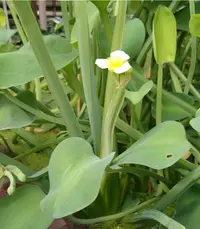
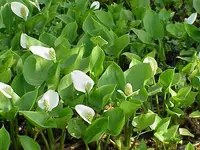
The plant forms low clumps of glossy, heart-shaped leaves and distinctive white spathes around a yellow-green central spike. Its rhizomatous growth allows it to slowly spread and create dense colonies in suitable conditions.

This species prefers consistently wet, humus-rich substrates and cool to mild climates, which makes it best suited to outdoor water gardens rather than typical indoor pots. Understanding how to care for Bog Arum starts with providing constant moisture and protection from hot, dry conditions.

Main Plant Requirements

Care Difficulty

Moderate Care

Light Preference

Partial Shade

Water Requirements

Aquatic

Temperature Preference

Cold Hardy

Hardiness Zone

3–7

Soil Texture

Loamy, Silty, Organic-rich

Soil pH

Acidic (5.5–6.5), Slightly acidic (6.5–7.0)

Soil Drainage

Waterlogged tolerant

Fertilization

Minimal (feed rarely)

Get Personalized Care Plan

Scan your plant to receive care tips personalized for your specific plant

Available on iOS and Android

How to Care for the Bog Arum

Calla palustris is a wetland plant that prefers cool, bright, but not harsh light conditions.

  • Provide 3–5 hours of soft morning sun with light or open shade the rest of the day, especially in warmer regions.
  • Plant in dappled shade under shrubs or trees; Bog Arum tolerates full shade but may flower less with under 2–3 hours of indirect light.
  • Avoid strong afternoon sun, which can scorch leaves and dry boggy soil edges; in winter, more open light is acceptable as sun intensity is lower.

Calla palustris is adapted to saturated soils and shallow standing water.

  • Maintain constantly wet conditions; in ponds or bog gardens, allow 2–10 cm of water above the crown or fully saturated soil with no drying between waterings.
  • In garden soil, water whenever the surface begins to look glossy-damp rather than puddled; never let the top 2–3 cm become powdery or cracked.
  • Watch for stress signs: yellowing, limp leaves in smelly, black soil suggest low oxygen and rot, while crisp edges and drooping in wet sites may indicate heat or brief drying.

This cold-hardy bog plant prefers cool to mild temperatures and tolerates significant winter chill.

  • Optimal growth occurs around 55–70°F (13–21°C), especially in spring and early summer when soil stays cool and moist.
  • Mature plants in wet, unfrozen ground tolerate down to about 5–10°F (-15 to -12°C); thick mulch helps protect crowns in exposed sites.
  • Short periods up to 80–86°F (27–30°C) are tolerated if water is abundant; in heat waves, increase shade and water depth to keep roots cooler and prevent leaf scorch.

This species needs constant high humidity because it is a true bog and shallow-water plant.

  • Aim for 70–100% humidity, ideally by growing Bog Arum with roots submerged or in waterlogged substrate.
  • Crisping leaf edges, stalled growth, and drooping foliage indicate air and root zones are too dry.
  • Use trays of standing water around the pot or place the container inside a larger watertight cachepot to keep the root zone saturated.

Calla palustris thrives in permanently wet, organic-rich substrates rather than conventional potting soil.

  • Use a heavy, peat- or coco-based mix with high organic matter, such as 2 parts aquatic plant soil or clay loam to 1 part compost.
  • Keep the substrate saturated or shallowly flooded; this bog species tolerates anoxic, low-oxygen conditions that kill many plants.
  • Maintain slightly acidic to neutral pH around 5.5–7.0, avoiding alkaline lime-rich materials that can limit nutrient availability.
  • Do not add perlite or coarse sand, since these increase drainage; instead, compact the mix slightly to hold water and reduce rapid drying.

This species is suitable for containers when grown as a marginal or shallow-water plant in ponds or water features.

  • Choose a wide, heavy container that will not tip when filled with saturated substrate and water.
  • Select a pot without drainage holes or place it in a larger watertight outer container to maintain standing water at the soil surface.
  • Leave 3–5 cm from substrate surface to rim so added water does not overflow when growth becomes dense.

Calla palustris usually needs minimal feeding in nutrient-rich, wet soils.

  • In poor or artificial pond substrates, use a balanced slow-release aquatic fertilizer at 1/2 strength at the start of spring.
  • Apply a light top-dressing of compost around clumps once in spring to support steady growth when growing Bog Arum.
  • Avoid feeding during late fall and winter, when growth slows or foliage dies back.
  • Do not fertilize into standing water with general-purpose products, which can cause algae and root burn.

Calla palustris benefits from light, maintenance-focused pruning rather than shaping.

  • Best time is late fall or very early spring, when growth is slow and stems are easy to access.
  • Cut back yellowing or dead leaves and spent flower stalks at the base to keep plants tidy and reduce rot.
  • Remove damaged or crowded shoots to improve water flow and light penetration around the clump.
  • Use clean, sharp scissors or hand pruners and avoid cutting into healthy rhizomes below the waterline.

This wetland species is more often transplanted or divided than traditionally repotted.

  • Transplant or divide every 3–5 years, or when clumps become crowded, growth slows, or rhizomes press against container edges.
  • Choose early spring, just as new growth starts, so roots can recover quickly in warming water and soil.
  • Lift rhizomes gently, keep them moist at all times, and trim damaged roots only, avoiding major root loss.
  • Replant into shallow, heavy loam or aquatic soil, firm gently, then re-submerge gradually to previous water depth to limit shock.

Calla palustris is commonly propagated by division, with seed used mainly for naturalistic or restoration plantings.

  • Divide rhizomes in early spring, cutting clumps into sections with at least 1–2 healthy buds and some roots attached.
  • Replant divisions in shallow water or saturated soil, keeping rhizomes just below the surface for good oxygen access.
  • For seeds, sow fresh in trays of cold, wet substrate and allow natural winter chilling to break dormancy.
  • Maintain consistently cool, wet conditions and gentle light to support early establishment and reduce transplant stress.

Calla palustris is generally cold hardy in temperate climates and needs limited winter care in ponds and bogs.

  • In-ground plants tolerate freezing down to the root zone if rhizomes stay submerged or in consistently moist soil.
  • Allow foliage to die back naturally, then trim dead material to reduce rot and maintain a clean water surface.
  • In containers, sink pots deeper into the pond or move to a cold, frost-free but very damp location until spring.

Care Tips

Stable Water Depth

Maintain a consistent shallow water level of about 5–15 cm above the rhizomes by using bricks or inverted pots to raise containers, adjusting height seasonally so the crown is never deeply submerged or exposed.

Rhizome Division Timing

Divide rhizomes only in early spring while still dormant, cutting with a clean knife into sections with at least 1–2 healthy buds and immediately replanting them into cool, shallow water to avoid desiccation.

Shoreline Containment

In lined ponds or naturalistic edges, grow Bog Arum in heavy, rimmed baskets sunk into the margin to limit lateral spread and make it easy to lift, divide, or relocate clumps without disturbing other pond plants.

Winter Protection Strategy

In cold climates with shallow ponds, sink containers to the deepest frost-free zone or overwinter them in an unheated but frost-free space in tubs of water to protect rhizomes from hard freezing.

Algae And Debris Control

Reduce algae and leaf rot around the plants by netting out fallen leaves in autumn and occasionally siphoning surface debris, which keeps water clearer and lowers the risk of rhizome rot around the crowns.

Common Pests and Diseases

Aphids

These insects cluster on young shoots and undersides of leaves, sucking sap and causing distortion and sticky honeydew on the foliage.

Solution

Rinse colonies off emergent leaves and stems with a firm stream of water, then remove heavily infested or curled shoots. In ornamental ponds, encourage natural predators like lady beetles and avoid high-nitrogen fertilizer that pushes very soft, aphid-prone growth when growing Bog Arum in marginal plantings.

Spider mites

These pests are favored by hot, dry conditions on emergent foliage, causing fine stippling, a dull appearance, and sometimes thin webbing between leaf veins.

Solution

Increase humidity around emergent plants, regularly hose down leaves, and submerge infested foliage where possible to disrupt the mites. For persistent problems, wipe leaves with a soft cloth dipped in insecticidal soap solution, keeping the product out of the main pond volume as much as possible.

Leaf spot

This disease produces small water-soaked or brown lesions on leaves that may enlarge, merge, and cause premature yellowing and dieback of foliage.

Solution

Remove and discard affected leaves promptly to reduce spore spread, and avoid overhead irrigation on potted or nursery plants. Improve spacing and airflow around stands of plants and keep emergent foliage less crowded to allow faster drying after rain or splashing.

Bacterial soft rot

Symptoms include foul-smelling, mushy tissue at the base of stems or rhizomes, often starting at wounds or damaged areas and spreading through submerged parts.

Solution

Cut out and discard all affected rhizome and stem sections, disinfecting tools between cuts, and remove decaying plant debris from the water. Replant only firm, healthy pieces in clean, well-oxygenated shallow water and avoid mechanical injury when dividing or moving the plants.

Interesting Facts

Specialist bog habitat

This species is naturally restricted to nutrient-poor, cold bogs, fens, and peatlands across the Northern Hemisphere, where it often forms dense colonies at the water’s edge. Its presence can indicate long-standing, relatively undisturbed wetland conditions.

Insect-guiding inflorescence

The white, petal-like spathe surrounding the central spadix functions as a visual signal and landing platform for small pollinating insects. The spadix produces scent and warmth on a small scale, which helps attract flies and beetles in cool, boggy environments.

Toxic but wildlife-linked

All parts of the plant contain needle-like calcium oxalate crystals that are irritating or toxic if eaten raw. Despite this, its dense stands provide shelter and microhabitats for wetland invertebrates, amphibians, and small aquatic organisms.

Botan icon

Did you know?

Fossil and historical records show that Indigenous peoples in northern Europe and parts of North America processed the starchy rhizomes of Calla palustris with prolonged drying and leaching to remove toxins, using them as an emergency famine food despite the plant’s natural toxicity.

FAQs about Bog Arum

Lack of flowering often comes from too little plant maturity, nutrient imbalance favoring leaves, or insufficient winter chill. Stable, cool winters and nutrient-rich, consistently wet substrate usually improve flowering over the following season rather than immediately.

Grow Healthy Plants with Botan Care

Keep your plants happy and healthy with plant identification, disease detection, and easy care guidance.

Botan plant care app — identify plants on mobile

Explore More Plants