Bacopa salzmannii Care

Bacopa salzmannii

About Bacopa salzmannii

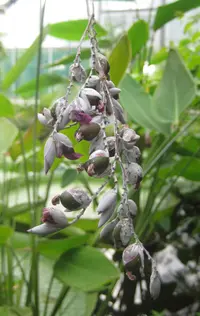
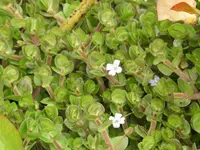
Bacopa salzmannii is a small aquatic or semi-aquatic plant often used in aquariums and paludariums. It forms delicate stems with small, opposite leaves and can create a soft, bushy look under water.

In nature it is found in warm, shallow freshwater habitats in South America, where it grows partially or fully submerged. Its fine texture and moderate growth rate make it attractive but slightly less forgiving than some beginner aquarium plants.

Stable water conditions, good light, and consistent nutrients help it stay compact and healthy, so understanding how to care for Bacopa salzmannii is important for long-term success.

Main Plant Requirements

Care Difficulty

Moderate Care

Light Preference

Partial Shade

Water Requirements

Keep Soil Moist

Temperature Preference

Tropical / Frost Sensitive

Hardiness Zone

Unknown

Soil Texture

Loamy, Silty, Organic-rich

Soil pH

Acidic (5.5–6.5), Slightly acidic (6.5–7.0)

Soil Drainage

Moist but well-drained

Fertilization

Moderate (every 2–4 weeks)

Get Personalized Care Plan

Scan your plant to receive care tips personalized for your specific plant

Available on iOS and Android

How to Care for the Bacopa salzmannii

This trailing aquatic or marginal plant benefits from consistent, moderate light for dense growth and flowering.

  • Provide 4–6 hours of direct morning sun with bright, filtered light the rest of the day; protect from harsh afternoon sun, especially in hot summers.
  • Tolerates light to partial shade, but stems stretch and flowering declines if light drops much below bright bright shade levels.
  • In cooler seasons, allow more direct sun, while in mid-summer shift containers or baskets so Bacopa salzmannii receives dappled or east-facing exposure.

This species prefers constantly moist conditions and reacts quickly if the root zone dries.

  • Keep soil or substrate evenly moist; in garden beds do not allow the top 2–3 cm to dry out completely, especially during active growth.
  • In hot weather, increase checks so the surface never becomes dusty or pulls from the pot or pond edge, a sign the plant is drying and may wilt.
  • Watch for yellowing, mushy stems or a sour smell as signs of overwatering with poor drainage; use free-draining, organic-rich media around the crown.

This warm-temperate to subtropical plant grows best in mild, frost-free conditions.

  • Aim for 65–80°F (18–27°C) for steady growth and flowering, with stable water or soil temperatures where roots are held.
  • Protect from cold; growth slows sharply below 55°F (13°C) and top growth is often damaged or killed near 32°F (0°C).
  • In hot spells above 90°F (32°C), provide partial shade and ensure the root zone stays cool and moist to limit stress and leaf scorch.

This species appreciates moderately moist air but usually adapts to typical indoor humidity.

  • Aim for 40–60% humidity to support steady foliage growth and flowering.
  • Tolerates short dry-air periods, but curled, crisp leaf edges or stalled growth indicate humidity stress.
  • Increase humidity with a nearby pebble tray or grouping plants, rather than misting, to avoid prolonged leaf wetness.

Bacopa salzmannii prefers consistently moist, airy, and well-drained soil that does not compact.

  • Use a loose mix of 50–60% peat or coco coir, 20–30% compost, and 10–20% perlite or pumice for structure and drainage.
  • Aim for slightly acidic to neutral pH around 6.0–7.0 to support nutrient uptake and root health.
  • Improve aeration by blending in coarse sand or fine bark so water drains in seconds, not minutes, after watering.
  • Avoid heavy clay, waterlogged spots, or pure sand, which either suffocate roots or dry out too quickly.

This species grows well in containers, including shallow pots and hanging baskets.

  • Choose a wide, shallow container to match its spreading habit and prevent dense root mats that hinder drainage.
  • Select a pot material that matches your climate, using plastic in hot, dry areas and unglazed terracotta where overwatering is more likely.
  • Elevate the container slightly so drainage holes stay clear and excess water leaves quickly after rain or watering.

Nutrient support keeps Bacopa salzmannii compact, leafy, and flowering well in containers or enriched beds.

  • Use a balanced liquid fertilizer (around 10-10-10 or 20-20-20) diluted to 1/4–1/2 strength for routine feeding.
  • Apply every 2–3 weeks during the main growing season when plants are actively producing new shoots and flowers.
  • In nutrient-poor soils, supplement with a thin layer of mature compost around the root zone in spring.
  • Reduce feeding to once every 6–8 weeks, or stop entirely, during winter or any period of slowed growth.

Thoughtful trimming helps Bacopa salzmannii stay dense and flowering instead of becoming leggy and sparse.

  • Best time for shaping cuts is during active growth in spring and early summer, with light touch-ups through the season.
  • Remove dead, yellowing, or damaged stems first to reduce disease risk and improve air movement within the foliage.
  • Pinch or clip back overly long, straggly shoots by 2–5 cm to encourage branching and a fuller mat of growth.
  • Use clean, sharp scissors or small snips, making cuts just above a leaf node to direct new growth outward.

Container-grown plants appreciate occasional repotting, while in-ground Bacopa salzmannii mainly needs careful transplanting when repositioned.

  • Check for roots circling the pot drainage holes, soil drying very fast, or slowed growth as signs it needs more space.
  • Plan repotting or transplanting for early to mid spring, after frost risk passes and before high summer heat.
  • Move into a container only 2–5 cm wider, using a free-draining, organic-rich mix, and keep roots as intact as possible.
  • Water thoroughly after moving, then keep soil evenly moist and shaded for 3–7 days to limit transplant shock.

New plants are most often produced from soft stem cuttings taken during warm, active growth periods.

  • Take 5–8 cm tip cuttings from non-flowering stems of Bacopa salzmannii in late spring or summer.
  • Strip lower leaves and place cut ends into moist, fine-textured substrate or clean water with bright, indirect light.
  • Maintain warmth around 68–77°F and steady moisture; roots usually form in 1–3 weeks under stable conditions.
  • Once roots are 2–3 cm long, pot cuttings into small containers, keeping soil evenly moist until established.

This species dislikes hard frost and benefits from basic protection in cold-winter climates.

  • In regions with light frost, apply a 3–5 cm mulch layer around the root zone, keeping it slightly away from stems.
  • Move container-grown plants indoors or to a frost-free greenhouse when temperatures approach 32°F.
  • Indoors, provide bright light, cooler room temperatures around 55–65°F, and slightly drier soil to reduce stress.

Care Tips

Regular tip pinching

Pinch back soft shoot tips every 2–3 weeks during active growth to keep stems compact, encourage branching, and maintain a dense, floriferous mat instead of long, sparse runners.

Stolon management

Guide or lightly peg down stolons (trailing stems) onto fresh substrate so nodes can root and thicken the planting, then trim older, woody sections to reduce shading and maintain vigor.

Root zone renewal

Every 6–12 months, carefully lift and replant a few of the oldest, most congested clumps, discarding dark or mushy roots so younger, healthier sections can take over the planting area.

Targeted algae control

In aquatic or semi-aquatic setups, remove decaying leaves promptly and keep moderate water movement around the stems to limit algae buildup on foliage and improve gas exchange.

Preventive pest checks

Inspect the undersides of leaves and soft shoot tips weekly for early signs of aphids or spider mites, and if found, rinse the plant thoroughly with lukewarm water before considering a labeled insecticidal soap for caring for Bacopa salzmannii.

Common Pests and Diseases

Aquatic aphids

This pest often colonizes soft, submerged or emergent shoots, sucking sap and causing distorted, stunted growth and sticky residues on leaves and stems.

Solution

Rinse stems thoroughly under running water or in a separate container to dislodge colonies, then remove heavily infested or deformed shoots. For persistent problems, introduce natural predators where possible (in outdoor or pond setups) or use a low-toxicity insecticidal soap safe for aquatic use, treating plants outside the main tank and rinsing carefully before reintroduction.

Spider mites

These insects may appear on emersed or marginal growth in low-humidity conditions, causing pale speckling, fine webbing, and gradual leaf decline.

Solution

Increase humidity around emersed stems, gently shower foliage to wash off mites, and prune badly affected parts. If needed, use a miticide or horticultural oil labeled for ornamental use, always treating plants outside aquariums and rinsing thoroughly before returning them to aquatic setups.

Bacterial stem rot

This disease affects submerged stems, which become water-soaked, brown, and mushy, often causing sections to break apart and decay in the water column.

Solution

Promptly remove and discard all soft, affected stem sections, then replant only firm, healthy tops. Improve water circulation, avoid overfeeding fish, and maintain stable, clean water parameters to reduce organic buildup and stress, which supports more stable Bacopa salzmannii care.

Algal overgrowth

This problem develops on slow or weakened stems and leaves, where algae forms films or tufts that shade foliage and limit photosynthesis.

Solution

Manually remove affected leaves, gently rub off algae from firmer stems, and adjust light intensity and duration to avoid excess light. Improve nutrient balance through regular water changes, controlled fertilization, and, where appropriate, increase fast-growing companion plants or algae grazers to reduce nutrient surplus.

Interesting Facts

South American origin

This species is native to shallow, slow-moving freshwater habitats in South America, especially in Brazil, where it grows along river margins and flooded areas fully or partially submerged.

True aquatic foliage

Unlike many marginal plants, this species forms delicate, fully aquatic stems and leaves adapted to living submerged, which is why it is popular in planted aquaria rather than in typical bog or pond margins.

Delicate growth habit

It has fine, opposite leaves on slender, easily damaged stems, so it is considered more fragile and demanding in aquascapes than the more robust and faster-growing Bacopa species used in beginner tanks.

FAQs about Bacopa salzmannii

This species performs best outdoors in shallow water or very wet soil, where light is stronger and water quality is easier to maintain. Indoors it is possible but more demanding, especially regarding lighting, stable warmth, and clean water.

Grow Healthy Plants with Botan Care

Keep your plants happy and healthy with plant identification, disease detection, and easy care guidance.

Botan plant care app — identify plants on mobile

Explore More Plants