Encourage Bushy Growth
Trim stem tips above a node every 2–3 weeks to encourage lateral shoots and create a denser, more compact plant instead of tall, leggy stems.

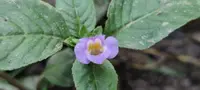
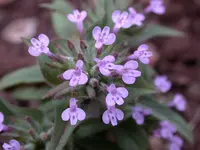
Limnophila rugosa is a semi-aquatic herb often used in aquariums, paludariums, and wet garden margins. It forms upright, branching stems with soft, aromatic, finely textured foliage. In suitable conditions it produces small tubular flowers, usually pale lilac or white, that appear near the stem tips. This species is native to wet habitats in tropical Asia and Africa, where it grows along stream edges, marshes, and rice fields. It is generally considered moderate in difficulty, since it needs consistently high moisture, stable warmth, and good light. Understanding how to care for Limnophila rugosa starts with keeping its roots and lower stems in constantly moist, nutrient-rich substrate.

Care Difficulty
Moderate Care

Light Preference
Partial Sun

Water Requirements
Aquatic

Temperature Preference
Tropical / Frost Sensitive

Hardiness Zone
10–11

Soil Texture
Loamy, Silty, Organic-rich

Soil pH
Acidic (5.5–6.5), Slightly acidic (6.5–7.0)

Soil Drainage
Waterlogged tolerant

Fertilization
Moderate (every 2–4 weeks)
Scan your plant to receive care tips personalized for your specific plant
Available on iOS and Android
This species prefers bright, unobstructed light in warm, lowland conditions.
This wetland plant is adapted to saturated conditions rather than intermittently dry soil.
This tropical species grows best in warm, frost-free conditions with stable temperatures.
This species grows best in consistently humid air but adapts slightly below its ideal range.
This species prefers soft, organic-rich, water-retentive substrates rather than dense mineral soils.
This species is well suited to container culture, especially in tubs or small water gardens.
Nutrient-rich substrates usually support Limnophila rugosa well, but light fertilization improves growth in containers or managed ponds.
Thoughtful pruning helps maintain healthy structure and vigorous regrowth in Limnophila rugosa.
This species is usually grown in ponds or wet margins, so management focuses on transplanting rather than frequent repotting.
Limnophila rugosa is commonly propagated to refresh plantings or expand coverage in aquatic setups.
In mild climates this aquatic plant often persists year-round, but cold winters require some attention for long-term Limnophila rugosa care instructions.

Plant Health Check
Not sure what's wrong with your plant? Check your plant's health inside the app.
When its foliage is crushed or rubbed, this species releases a distinct lemon-like scent due to its essential oil profile, which helps deter some herbivores and insects in its native wetlands.
The plant can grow both rooted in shallow water and in muddy, seasonally flooded soils, adjusting its leaf shape and thickness depending on whether it is submerged or emergent.
This species is naturally distributed in tropical and subtropical parts of Asia, where it is commonly found along rice paddies, ditches, and pond margins in slow-moving or stagnant water.

Chemical analyses have shown that the essential oils from Limnophila rugosa contain complex mixtures of terpenoids, and these profiles can vary noticeably between populations from different regions, suggesting local ecological adaptation.
Growth is moderately fast in warm, wet conditions, especially in shallow water or boggy soil. In the growing season, stems can extend several centimeters per week. Poor light, cool temperatures, or low nutrients slow growth noticeably.
Keep your plants happy and healthy with plant identification, disease detection, and easy care guidance.