Encourage Bushy Growth
Pinch back the soft shoot tips when plants are 8–10 cm tall to encourage branching, a denser canopy, and more flowering stems for harvest.

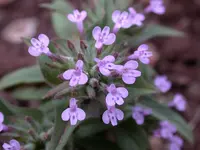
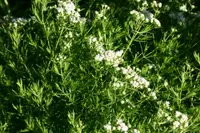
Ziziphora capitata is a compact, aromatic herb in the mint family, often grown as an annual. It forms low, bushy mounds with small leaves and rounded flower heads in soft lilac or whitish tones.
This species occurs naturally in dry, rocky habitats across parts of the Mediterranean, the Middle East, and Central Asia. It is adapted to sunny, open sites and relatively poor, well-drained soils.
The plant is generally not demanding, but it dislikes waterlogged conditions and heavy, rich substrates. For gardeners, how to care for Ziziphora capitata usually centers on providing good light, modest watering, and a free-draining, low-fertility soil mix.

Care Difficulty
Moderate Care

Light Preference
Full Sun

Water Requirements
Low Water

Temperature Preference
Warm Climate

Hardiness Zone
7–10

Soil Texture
Sandy, Loamy, Rocky

Soil pH
Slightly acidic (6.5–7.0), Neutral (7.0)

Soil Drainage
Well-drained

Fertilization
Minimal (feed rarely)
Scan your plant to receive care tips personalized for your specific plant
Available on iOS and Android
This sun-loving Mediterranean annual thrives in bright, open sites with low to moderate humidity.
This aromatic herb prefers slightly dry conditions and is sensitive to excess moisture around the roots.
This species is adapted to warm, dry climates and handles moderate temperature swings well.
This species is adapted to dry, Mediterranean-type air and does not need elevated humidity.
Provide mineral, sharply drained soil to match its dry, Mediterranean habitat.
This compact species is well suited to container growing on sunny patios and balconies.
This Mediterranean annual herb stays compact and aromatic with only light feeding in lean, well-drained soils.
This low, bushy herb responds well to light shaping that maintains dense growth and encourages fresh aromatic shoots.
This small annual is usually direct-sown or transplanted once, rather than repeatedly repotted.
This species is most commonly raised from seed, which suits its annual life cycle and natural reseeding habit.
As a warm-season annual, this plant usually dies back with frost rather than being overwintered long term.

Plant Health Check
Not sure what's wrong with your plant? Check your plant's health inside the app.
This species forms a low, rounded cushion only a few centimeters tall, with many short, branching stems that create a dense, dome-like mound adapted to open, dry sites in its native range from the eastern Mediterranean to western Asia.
Instead of loose flower spikes typical of many mints, it produces tight, almost spherical flower heads (capitula) at stem tips, made up of many small tubular flowers surrounded by leafy bracts.
Its tiny, opposite leaves contain essential oils rich in monoterpenes such as pulegone and menthone, giving a sharp, mint-like fragrance that can help deter some herbivores and insects.

In parts of the eastern Mediterranean and western Asia, aerial parts of Ziziphora capitata are traditionally harvested in small quantities and used as a flavoring herb in teas and foods, and this culinary use has led to its study as an aromatic crop in some regional agronomic research focused on essential oil yield and composition.
This species is typically grown as an annual herb, especially in temperate gardens. In nature it may behave as a short-lived perennial in mild climates, but most cultivated plants complete their life cycle in a single season.
Keep your plants happy and healthy with plant identification, disease detection, and easy care guidance.