Sambucus australis Care

Sambucus australis

About Sambucus australis

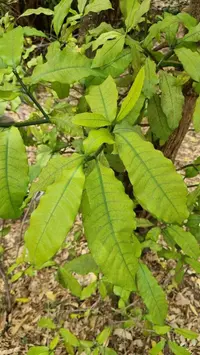
Sambucus australis is a deciduous shrub or small tree in the elderberry group, valued mainly for its clusters of white flowers and dark berries. It typically forms a loose, rounded crown with many stems and soft green foliage. Native to South America, it is commonly found along forest edges, riverbanks, and other moist, sunny to lightly shaded habitats. This species grows relatively fast and can become large if not pruned, which makes it better suited to outdoor spaces than containers. It is generally considered undemanding when planted in fertile, well-drained but evenly moist soil. Understanding how to care for Sambucus australis starts with providing enough light, space, and moisture for steady growth.

Main Plant Requirements

Care Difficulty

Moderate Care

Light Preference

Full Sun

Water Requirements

Regular Water

Temperature Preference

Warm Climate

Hardiness Zone

8–11

Soil Texture

Loamy, Silty, Organic-rich

Soil pH

Acidic (5.5–6.5), Slightly acidic (6.5–7.0)

Soil Drainage

Moist but well-drained

Fertilization

Minimal (feed rarely)

Get Personalized Care Plan

Scan your plant to receive care tips personalized for your specific plant

Available on iOS and Android

How to Care for the Sambucus australis

This species prefers bright conditions with some protection from harsh midday sun.

  • Provide 4–6 hours of direct morning sun with light or dappled shade in the afternoon, especially in hotter regions.
  • Tolerates partial shade (around 3–4 hours of sun), though flowering and berry production in Sambucus australis may decrease with too little light.
  • In hot summers, monitor leaves for scorch or bleaching; increase shade or filtered light if edges brown, especially during 12–4 p.m. sun.

This shrub favors consistently moist but not waterlogged soil.

  • Water when the top 3–5 cm of soil feels dry, aiming to keep the root zone evenly damp during active growth rather than cycling between soggy and bone-dry.
  • Use deep, infrequent watering so moisture reaches 15–20 cm deep; ensure soil drains well to avoid standing water and root rot symptoms like black, mushy roots.
  • In cooler seasons or during dormancy, reduce frequency; watch for wilting and dry, curling leaves as underwatering signs, and yellowing leaves with soft stems as overwatering signs.

This plant grows best in mild to warm climates with moderate seasonal variation.

  • Optimal growth occurs around 60–77°F (16–25°C), with strong shoot and leaf development in spring and early summer under these conditions.
  • Mature shrubs tolerate drops to about 20–23°F (-6 to -5°C), but young plants benefit from protection such as mulch around the root zone in colder winters.
  • In hot regions, plants cope with short periods up to 90–95°F (32–35°C) if soil moisture is stable; combine adequate watering with afternoon shade during heatwaves to limit stress and leaf scorch.

This shrub tolerates a broad humidity range but grows best with moderate ambient moisture.

  • Aim for 40–60% humidity, which most outdoor and unconditioned spaces naturally provide for Sambucus australis.
  • Leaves curling at the edges or browning along tips can indicate extended exposure to very dry air.
  • In hot, dry periods, group plants with other shrubs or place near mulched beds to slightly raise local humidity without waterlogging the roots.

This species prefers moist, well-structured soil that holds water yet drains freely.

  • Use a loamy mix with high organic matter, such as garden loam blended with compost, to support steady moisture retention.
  • Ensure drainage by incorporating coarse sand or fine grit at 20–30% of the volume so water moves through rather than pooling around roots.
  • Target slightly acidic to neutral pH around 6.0–7.0, amending alkaline soils with composted leaf mold or pine-based organic material.
  • Avoid heavy, compacted clay or low-lying spots where water stands after rain, and improve aeration by gently loosening the top 5–8 cm yearly.

This species can be grown in large containers if specific structural and moisture needs are met.

  • Choose a deep, wide, heavy container to provide root space and prevent the shrub from becoming unstable in wind as it matures.
  • Use a moisture-retentive but draining mix, such as 2 parts loam, 1 part compost, and 1 part coarse sand or fine bark, to limit water stress between irrigations.
  • Raise the pot slightly off the ground with feet or bricks so drainage holes stay clear and excess water exits quickly after rain or watering.

This species grows in relatively poor soils, so use fertilizer only to support growth in depleted or container conditions.

  • Apply a balanced slow-release fertilizer (such as 10-10-10) at half strength once in early spring to boost new growth.
  • Supplement with a thin layer of compost around the root zone in spring, keeping it away from direct stem contact.
  • In containers, feed every 6–8 weeks during the growing season with diluted balanced liquid fertilizer.
  • Stop feeding in late summer so Sambucus australis can harden wood and enter dormancy without soft, frost-tender shoots.

Pruning helps manage size, encourage strong framework branches, and maintain flowering performance.

  • Carry out main pruning in late winter or very early spring before buds break.
  • Remove dead, diseased, or crossing stems first, then thin crowded older canes at the base to open the plant.
  • Shorten overly long shoots to control height and shape while retaining some 1–2-year-old wood for flowers and fruit.
  • Use clean, sharp bypass pruners or loppers, making angled cuts just above outward-facing buds.

This shrub is usually grown in the ground, so focus on careful transplanting rather than frequent repotting.

  • Transplant in late winter or early spring while the plant is dormant to reduce stress and improve establishment.
  • Look for signs such as slow growth, poor vigor, or roots circling the container if Sambucus australis is pot-grown.
  • Move into a hole or container 1.5–2× wider than the root ball, loosening circling roots gently before backfilling.
  • Water thoroughly after planting, mulch 5–8 cm deep, and keep soil evenly moist for the first growing season to support recovery.

Propagation is commonly done from cuttings or seeds to maintain or expand plantings.

  • Take semi-hardwood cuttings in late summer, 10–15 cm long, with 2–3 nodes, and remove lower leaves.
  • Insert cuttings into a free-draining mix, keep at 65–75°F with high humidity, and use rooting hormone if available.
  • Sow fresh seeds in autumn in pots outdoors to benefit from natural winter stratification, which breaks dormancy.
  • Once rooted or germinated, grow seedlings and cuttings in bright light with consistent moisture before planting out.

This species is generally cold hardy in mild to moderate winters and needs limited winter care in the ground.

  • In regions with freezes, add 5–8 cm of organic mulch around the root zone, keeping it away from stems.
  • For young plants or exposed sites, use windbreaks or shrub covers during severe cold snaps to limit stem damage.
  • Container-grown plants are more vulnerable; place pots against a sheltered wall or move to an unheated, bright, frost-free area.

Care Tips

Early framework training

In the first 2–3 years, select 3–5 strong shoots as permanent framework branches and remove weak, crossing, or crowded stems to build a stable, open shrub that resists wind and allows good light penetration.

Sucker management

Check the base of the plant and surrounding soil 2–3 times per season and promptly cut out unwanted suckers at soil level to prevent a thicket and keep energy focused on the main plant.

Wind and snow support

In exposed sites, install 2–3 discreet stakes or a low windbreak on the windward side and loosely tie main stems with soft ties to reduce breakage from strong winds or heavy, wet snow.

Targeted pest scouting

Inspect new growth and flower clusters every 1–2 weeks in spring and early summer for aphids, scale, and caterpillars, and wash off or prune out localized infestations before considering any chemical treatment.

Berry load management

In years with very heavy flowering, thin some flower clusters or remove part of the developing fruit to reduce branch strain and improve berry size and quality when growing Sambucus australis for fruit use.

Common Pests and Diseases

Elder aphids

This pest feeds on young shoots and leaves, causing curling, distortion, and sticky honeydew that can lead to sooty mold on stems and foliage.

Solution

Prune out heavily infested shoot tips, then wash remaining colonies off with a firm stream of water and repeat as needed; for persistent infestations, use insecticidal soap or a light horticultural oil, making sure to coat the undersides of leaves while avoiding applications during high heat.

Elder borers

These insects tunnel inside older stems and branches, leading to dieback, hollow stems, and weakened structure that can snap in wind or under fruit load.

Solution

Cut out and destroy affected stems below the point of tunneling during dormancy, then maintain plant vigor with proper watering and balanced fertilization so regrowth is strong; avoid unnecessary wounding of stems, which attracts egg‑laying adults, and monitor mature canes regularly for frass or small exit holes when planning how to take care of Sambucus australis.

Powdery mildew

This disease causes a white, powdery film on leaves and young stems, which can reduce photosynthesis and lead to premature leaf drop in humid, shaded conditions.

Solution

Thin crowded branches to increase light and airflow, avoid overhead watering in the evening, and remove heavily infected leaves; if needed, apply a sulfur or potassium bicarbonate fungicide labeled for ornamental shrubs, starting at the first sign of infection and repeating according to label directions.

Leaf spot

Symptoms include small brown to purple spots on foliage that may merge into larger blotches, causing yellowing and early leaf drop during warm, wet periods.

Solution

Rake and dispose of fallen leaves to reduce fungal spores, water at soil level instead of over the canopy, and improve air circulation by selective pruning; in severe or recurring cases, apply a preventive foliar fungicide early in the growing season following label instructions.

Cane dieback

This disease leads to blackened or discolored canes that wilt from the tips downward, often entering through pruning wounds or winter damage on elder shrubs.

Solution

Prune out affected canes back to healthy wood during dry weather and disinfect tools between cuts; support recovery by avoiding heavy late‑season fertilization, keeping the root zone evenly moist but not waterlogged, and protecting canes from severe mechanical damage.

Interesting Facts

Southern South America native

This elderberry species is naturally distributed in southern and southeastern South America, especially in Brazil, Argentina, and Uruguay, where it grows in moist forest edges, riverbanks, and secondary vegetation.

Food source for wildlife

The dark berries are an important food source for birds and small mammals in its native range, helping disperse the seeds across disturbed and riparian habitats.

Fast-growing pioneer shrub

In its natural range, this species often behaves as a pioneer plant, quickly colonizing open or disturbed sites and contributing to early-stage forest regeneration through rapid growth and dense branching.

FAQs about Sambucus australis

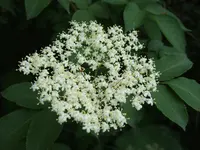
This shrub produces flat clusters of small, nectar-rich flowers that strongly attract bees, hoverflies, and many other beneficial insects. In gardens, it functions as a good pollinator resource and supports broader biodiversity when allowed to flower fully.

Grow Healthy Plants with Botan Care

Keep your plants happy and healthy with plant identification, disease detection, and easy care guidance.

Botan plant care app — identify plants on mobile

Explore More Plants