henna Care (Lawsonia inermis)

henna

About henna

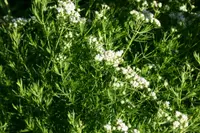
Lawsonia inermis, commonly called henna, is a sun-loving shrub or small tree known for its dye-rich leaves. It naturally occurs in arid, hot regions from North Africa to South Asia.

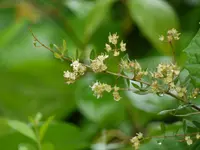
The plant has many slender branches, small opposite leaves, and clusters of small, fragrant white to cream flowers. In warm conditions it grows quickly and can become quite dense.

Henna prefers bright light, warmth, and well-drained soil, which makes it better suited to outdoor containers or conservatory spaces than to dim rooms. These traits mean it is moderately easy to grow if you understand how to care for henna and can provide enough heat and light.

Main Plant Requirements

Care Difficulty

Moderate Care

Light Preference

Full Sun

Water Requirements

Moderate Water

Temperature Preference

Tropical / Frost Sensitive

Hardiness Zone

9–11

Soil Texture

Sandy, Loamy

Soil pH

Slightly acidic (6.5–7.0), Slightly alkaline (7.0–7.5)

Soil Drainage

Well-drained

Fertilization

Minimal (feed rarely)

Get Personalized Care Plan

Scan your plant to receive care tips personalized for your specific plant

Available on iOS and Android

How to Care for the henna

This sun-loving shrub needs strong light to form dense foliage and good dye content.

  • Provide 6–8 hours of direct sun daily; in very hot climates, give henna light afternoon shade to prevent leaf scorch.
  • Young plants tolerate light partial shade, but flowering and leaf production decrease if they receive under 4–5 hours of sun.
  • In summer, prioritize morning sun with some protection from harsh late-afternoon rays; in winter, avoid shading from buildings or trees.

This species prefers deep but infrequent watering once established.

  • Outdoors in well-drained soil, water only when the top 3–5 cm feels dry and the soil below is just slightly moist, then soak the root zone thoroughly.
  • Reduce frequency in cool seasons when growth slows; in peak summer heat, expect the soil to dry faster and check moisture more often instead of following a fixed schedule.
  • Watch for stress signs: yellowing, soft leaves and persistent wet soil suggest overwatering, while crisp leaves and widespread tip browning indicate underwatering for Lawsonia inermis.

This warm-climate shrub grows best in consistently hot, frost-free conditions.

  • Aim for 75–95°F (24–35°C) during the growing season for fastest growth and best leaf quality.
  • Plant tolerates brief heat up to about 105°F (40°C) if soil moisture is adequate, but growth slows below 65°F (18°C).
  • Avoid frost completely; damage starts near 32°F (0°C), and wood can die back below 28°F (−2°C), so protect or site plants only in mild-winter climates.

This species prefers moderately dry air and usually does not need special humidity control indoors.

  • Aim for 30–50% humidity, similar to most heated homes, as henna tolerates relatively arid conditions.
  • Leaf edge browning with soft, dark patches usually indicates overwatering or root issues rather than low humidity.
  • Provide strong light, stable temperatures, and avoid frequent misting, which can raise fungal risk without real benefit.

Lawsonia inermis grows best in lean, fast-draining, slightly alkaline soil.

  • Use a sandy or sandy-loam mix, for example 50% coarse sand, 30% loam or potting mix, and 20% fine gravel or perlite for sharp drainage.
  • Aim for pH 7.0–8.0; add a small amount of garden lime if the mix is noticeably acidic to reduce nutrient imbalance risk.
  • Include only modest organic matter, such as a thin portion of compost, to avoid waterlogging and overly rich conditions that weaken growth.
  • Avoid heavy clay, peat-heavy mixes, and any medium that stays wet for more than 1–2 days after thorough watering.

This species adapts well to container growing when given a deep, fast-draining pot.

  • Choose a tall, narrow container to accommodate the deep root system and prevent the root zone from staying cold and wet.
  • Use a heavy or weighted pot if grown as a taller shrub to reduce the risk of the container tipping in strong wind.
  • Raise the pot on feet or bricks so drainage holes stay clear and excess water does not pool under the base.

Lawsonia inermis benefits from light, balanced feeding during its active warm-season growth.

  • Use a balanced liquid fertilizer (for example, 10-10-10) at 1/2 strength or a mild slow-release product for caring for henna in containers.
  • Feed every 4–6 weeks in spring and summer when growth is active, skipping applications during very hot, dry stress.
  • In autumn and winter, stop fertilizing or limit to a very light dose if the plant is kept in warm indoor conditions.
  • Prioritize well-drained, moderately fertile soil and avoid heavy compost or high-nitrogen products that encourage weak, lanky shoots.

Pruning Lawsonia inermis helps maintain a compact, branching shrub and supports good flowering.

  • Plan main shaping cuts in late winter or early spring before vigorous new growth begins.
  • Remove dead, damaged, crossing, or inward-growing branches to open the center and improve air flow.
  • Shorten overly long shoots by up to 1/3 to keep a dense outline and encourage more flowering tips.
  • Use clean, sharp hand pruners and make angled cuts just above outward-facing buds.

Container-grown Lawsonia inermis and young outdoor plants benefit from thoughtful transplanting to limit root shock.

  • Check for roots circling the pot, emerging from drainage holes, or noticeably slowed growth as signs a container plant needs a larger home.
  • Transplant or up-pot in late spring once temperatures are consistently warm and frost risk has passed.
  • Move to a pot 2–5 cm wider using a sharply draining sandy loam, gently loosening circling roots without tearing them excessively.
  • Water thoroughly after transplanting, then keep soil slightly moist but not waterlogged while new roots establish for 2–3 weeks.

Lawsonia inermis is commonly propagated from semi-hardwood cuttings or seeds in warm conditions.

  • Take semi-hardwood cuttings in late spring or summer, 10–15 cm long, with 2–3 nodes and the lower leaves removed.
  • Dip cut ends in rooting hormone, then insert into a moist, very free-draining mix under high humidity and 70–80°F warmth.
  • Sow fresh seeds in spring in a warm propagator; lightly cover, keep evenly moist, and provide bright, indirect light.
  • Ventilate propagating trays gradually as roots develop to harden young plants before potting on or planting out.

Lawsonia inermis is frost-sensitive and needs protection in regions with cold winters.

  • In USDA zones colder than 10, grow in containers and move plants indoors before night temperatures fall below 45°F.
  • Provide bright light indoors and keep temperatures around 60–70°F, allowing the soil surface to dry slightly between waterings.
  • For in-ground plants in marginal climates, apply a 5–8 cm mulch layer over the root zone, keeping it away from the stems.
  • Use frost cloth or similar coverings during unexpected cold snaps to reduce damage to young shoots and foliage.

Care Tips

Encourage Bushy Shape

Pinch back soft shoot tips when they are 5–8 cm long to promote branching and a denser shrub, rather than letting stems run long and spindly.

Controlled Wind Exposure

Grow the plant in a spot with light, steady air movement or use a small fan indoors on a low setting to help strengthen stems and reduce fungal issues, avoiding harsh, drying drafts.

Seasonal Container Shifting

If grown in a pot, shift the container gradually into higher light and warmer positions each spring over 7–10 days, then move it back to a more sheltered spot in late fall before night temperatures drop too low.

Root-Pruning For Pots

Every 2–3 years, lift the plant from its container during active growth, trim back 10–20% of the outer root mass, and replant in fresh mix to keep it vigorous and appropriately sized for long-term container culture.

Targeted Pest Monitoring

Inspect new growth and the undersides of leaves weekly during warm months with a hand lens if possible, and at the first sign of spider mites or scale, isolate the plant and treat promptly with an appropriate horticultural soap or oil as part of caring for henna.

Everything About henna

Common Pests and Diseases

Leaf spot

This disease causes small brown to dark-purple spots on henna leaves that may merge into larger blotches, reducing photosynthesis and overall vigor.

Solution

Remove and discard affected leaves, avoid overhead watering, and improve air circulation around the plant; if the problem persists, use a copper-based or other labeled fungicide applied according to henna care instructions and local regulations.

Powdery mildew

This disease produces a white to gray powdery coating on young leaves and shoots, leading to distortion, yellowing, and reduced growth.

Solution

Increase light and airflow, avoid crowding plants, prune out heavily affected shoots, and apply a sulfur or potassium bicarbonate-based fungicide approved for ornamental shrubs if environmental adjustments are not sufficient.

Aphids

These insects cluster on young shoots and leaf undersides, sucking sap and causing curling, yellowing, and sticky honeydew that can attract sooty mold.

Solution

Spray infested parts with a strong stream of water, remove heavily infested shoot tips, and if needed use insecticidal soap or a neem oil product, repeating every 5–7 days until populations decline.

Whiteflies

These insects are small, white, moth-like pests that fly up when the plant is disturbed and feed on leaf sap, causing yellowing, wilting, and honeydew deposits.

Solution

Use yellow sticky traps to monitor and reduce adults, regularly wash leaf undersides with water, and apply insecticidal soap or horticultural oil to leaf undersides where immature stages feed.

Leaf-chewing caterpillars

This pest feeds on henna foliage, leaving irregular holes or nearly skeletonized leaves, and can significantly reduce leaf production used for dye.

Solution

Hand-pick visible caterpillars, prune and dispose of heavily damaged leaves, encourage natural predators such as birds, and if damage is severe apply a Bacillus thuringiensis (Bt) product targeted to caterpillars according to label directions.

Interesting Facts

Natural dye chemistry

The leaves contain lawsone, a pigment that binds strongly to keratin in hair and skin, creating a stable orange-red stain that resists washing and light better than many synthetic dyes.

Arid climate specialist

This shrub is adapted to hot, semi-arid to arid regions, often thriving in areas with intense sun and seasonal drought where many other broadleaf plants struggle to survive.

Historical body art use

Archaeological evidence indicates its use as a cosmetic and hair dye in ancient Egypt and the Middle East, where dried and powdered leaves were used for body art and hair coloring thousands of years ago.

Botan icon

Did you know?

In traditional agroforestry systems across parts of North Africa and South Asia, Lawsonia inermis is sometimes planted as a living fence or boundary hedge, where its dense, thorny branching helps protect fields from browsing animals while also providing a renewable source of dye-bearing leaves.

FAQs about henna

Lack of flowering usually comes from insufficient heat, too little light intensity, or heavy pruning at the wrong time. It blooms on new growth, so avoid cutting fresh shoots before summer and keep the plant consistently warm and unstressed.

Grow Healthy Plants with Botan Care

Keep your plants happy and healthy with plant identification, disease detection, and easy care guidance.

Botan plant care app — identify plants on mobile

Explore More Plants