

henna (Lawsonia inermis) Light Needs

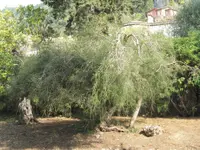
henna grows best in full sun, with long, bright exposure and several hours of direct sunlight each day.

Light Preference

Full Sun

Lawsonia inermis Light Requirements

In its naturalized and cultivated range, henna is associated with hot, dry to seasonally dry climates, open scrub, field edges, and exposed garden sites. It is adapted to strong sun rather than shaded understory conditions, with growth strongest where heat and light are consistent.

These conditions explain why cultivated plants tolerate full sun and weaken in shade. Preferred light is full sun.

  • Ideal exposure:

    henna needs about 6–8 hours of full sun daily, including at least 6 hours of direct sun when grown outdoors.

  • Direct sun:

    Established plants tolerate strong direct sun for most of the day, especially in warm outdoor conditions with good air movement.

  • Part sun:

    Partial sun is tolerated, but growth and flowering may be reduced below about 4–5 hours of direct sun.

  • Transition light:

    Morning sun is useful after moving a plant from shade; increase afternoon sun gradually to limit scorch.

Strong sun is usually tolerated, but abrupt exposure can stress tender growth.

Pale scorch:

Leaves may develop tan or bleached patches on the most exposed side after a sudden move into full afternoon sun.

Crisp new tips:

Soft young shoots can dry or look singed when intense sun follows indoor or shaded conditions.

Midday folding:

Leaves may curl or angle downward during the hottest hours, then partly recover when light softens.

Move the plant to morning sun or light afternoon shade for a few days. Reintroduce direct sun in longer steps once new growth looks firm.

Too little light often appears as weak structure and reduced flowering rather than sudden collapse.

  • Stretched stems:

    New shoots may lengthen quickly with wider spaces between leaf pairs as they reach for stronger light.

  • Leaning growth:

    Stems may angle toward the brightest side, especially on patios or near partially shaded walls.

  • Fewer flowers:

    Bud production can be limited when the plant receives only bright shade or short periods of direct sun.

  • Small new leaves:

    Fresh leaves may stay smaller and the overall canopy may look thin during the growing season.

Move it to a site with more direct sun, starting with morning exposure if the change is large. Avoid keeping Lawsonia inermis in shade.

Choose the sunniest outdoor position available if ideal full sun is limited; a half day of direct morning sun is a better compromise than bright shade.

Rotate container plants every 1–2 weeks so all sides receive direct light and growth stays more even.

Avoid covered patios and deep shade because they do not meet Lawsonia inermis light needs for dense growth and flowering.

Get Personalized Care Plan

Scan your plant to receive care tips personalized for your specific plant

FAQ

The best light for henna is full sun, usually about 6–8 hours of bright outdoor exposure with at least 6 hours of direct sun when conditions are warm.

More Plant Light Guides

Get the Botan App

Discover how to care for your plants with Botan.

Botan app identifying a plant with a phone camera
12 Best Landscaping Trees for Your Garden

8 min read · 6 Oct 2026

12 Best Landscaping Trees for Your Garden

Choosing the landscape tree depends on what your garden needs most. These 12 options include compact flowering specimens, colorful deciduous trees, shade varieties, and evergreens suitable for screening and year-round structure.

Plant Recommendations
12 Best Landscaping Trees for Your Garden
Best Water for Plants – How to Choose the Right Type

7 min read · 13 Aug 2026

Best Water for Plants – How to Choose the Right Type

Rainwater, filtered, distilled, and tap water affect plants differently. Learn which types support healthy growth and which cause slow damage. Match each to your plants and discover how to easily improve tap water quality.

Plant Care
Best Water for Plants – How to Choose the Right Type
Best Time to Water Grass in Summer – Lawn Watering Tips

5 min read · 21 Jul 2026

Best Time to Water Grass in Summer – Lawn Watering Tips

Summer watering is easy to get wrong. This guide explains when to turn on your sprinkler, how much liquid your grass needs each week, and how to tell if you're overwatering or underwatering.

Plant Care
Best Time to Water Grass in Summer – Lawn Watering Tips