


7 min read · 6 Aug 2026
Planting Grass Seed in Summer – What Works and What Fails
Summer seeding succeeds when the grass type suits the season, and the soil stays moist. Find out how to prepare the seedbed and choose a safe window for planting.
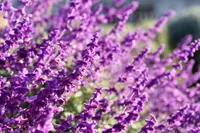
English lavender grows best in full sun, with several hours of direct sunlight each day.

Light Preference
Full Sun

English lavender is native to sunny, open parts of the Mediterranean region, where it grows on exposed slopes and dry, stony sites. These habitats receive strong seasonal sun with little overhead shade, especially during the active growing season.
In cultivation, that background explains its need for bright, open exposure rather than shade or dim indoor light. Preferred light is full sun.
English lavender needs about 6–8 hours of full sun daily, including at least 6 hours of direct sun when possible.
Established plants usually tolerate all-day direct sun outdoors, provided the change from lower light is gradual.
It can manage 4–6 hours of direct sun, but flowering and compact growth may be reduced.
Hot afternoon sun is acceptable after acclimation, while sudden exposure from shade can scorch tender growth.
Excess light stress is usually linked to sudden exposure or reflected heat.
New leaves may look pale or washed out after a quick move from shade into full sun.
Tan or brown marks can appear on the most exposed side of stems and leaves.
Flower spikes may lose color faster during long, hot afternoon exposure.
Tender shoot tips can dry and curl when strong sun combines with trapped heat around a pot.
Shift the plant to open morning sun with a short afternoon break for several days. Increase direct sun again gradually, and avoid heat-reflective walls or pavement during adjustment.
Low light usually shows in growth habit before the plant declines. Flowering is often the first major change.
New growth becomes longer, softer, and less upright as it reaches for stronger light.
Leaves and shoots may sit farther apart, giving the mound a loose, open look.
Buds form poorly when the plant gets less than several hours of direct sun.
A potted plant may angle toward the brightest side instead of staying evenly shaped.
Active-season growth may stay short and weak despite normal temperatures.
Move it to a brighter outdoor position with full sun exposure. If the change is large, increase sun over 7–10 days.
Choose the brightest outdoor position available if full sun is limited. A site with 4–6 hours of direct sun is the practical minimum, but fewer flowers are likely below that range.
Rotate potted plants weekly during active growth so each side receives direct sun. Move containers away from fences or overhangs that cut off midday light.
Avoid dim patios, covered porches, and indoor rooms as long-term locations. These setups do not match a full-sun habit.

Plant Light Guide
Find the ideal light conditions for your plant and support healthy growth
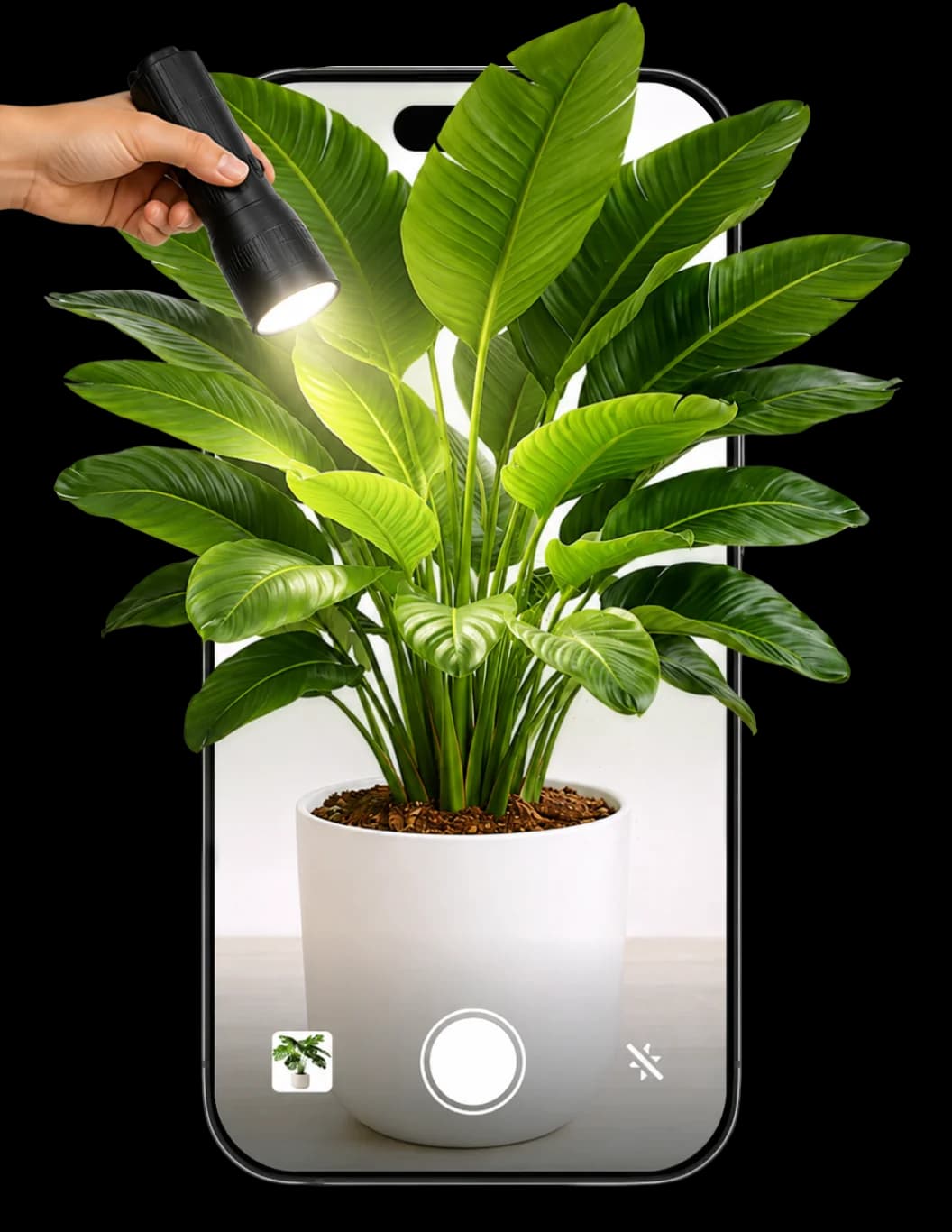
Scan your plant to receive care tips personalized for your specific plant
For English lavender light requirements, plan on full sun outdoors, with about 6–8 hours of bright exposure daily. Direct sun supports compact growth, strong scent, and better flowering.
Discover how to care for your plants with Botan.


7 min read · 6 Aug 2026
Summer seeding succeeds when the grass type suits the season, and the soil stays moist. Find out how to prepare the seedbed and choose a safe window for planting.

6 min read · 8 Sept 2026
Frozen and fresh vegetables are nutritionally comparable: frozen produce often retains vitamins just as well as fresh and may sometimes contain more. Here’s how blanching and storage affect nutrients—and when to choose each.

7 min read · 13 Aug 2026
Rainwater, filtered, distilled, and tap water affect plants differently. Learn which types support healthy growth and which cause slow damage. Match each to your plants and discover how to easily improve tap water quality.