



Best Soil for English lavender (Lavandula angustifolia)

For Lavandula angustifolia, gritty, fast-draining soil with balanced pH supports healthy roots and reduces the stress of staying too wet.

Soil Texture

Sandy, Loamy, Rocky

Soil pH

Slightly acidic (6.5–7.0), Slightly alkaline (7.0–7.5)

Soil Drainage

Well-drained

Lavandula angustifolia Soil Guide

Native to the Mediterranean region, Lavandula angustifolia grows in open, sunny places with lean, gritty ground and fast drainage. That background explains why the best soil for English lavender is light and airy rather than rich or moisture-holding.

Its roots perform best when oxygen moves easily through the soil and excess water drains away quickly. Sandy, loamy, or rocky textures suit this growth pattern because they stay open around the roots. Slightly acidic to slightly alkaline soil also matches its natural conditions.

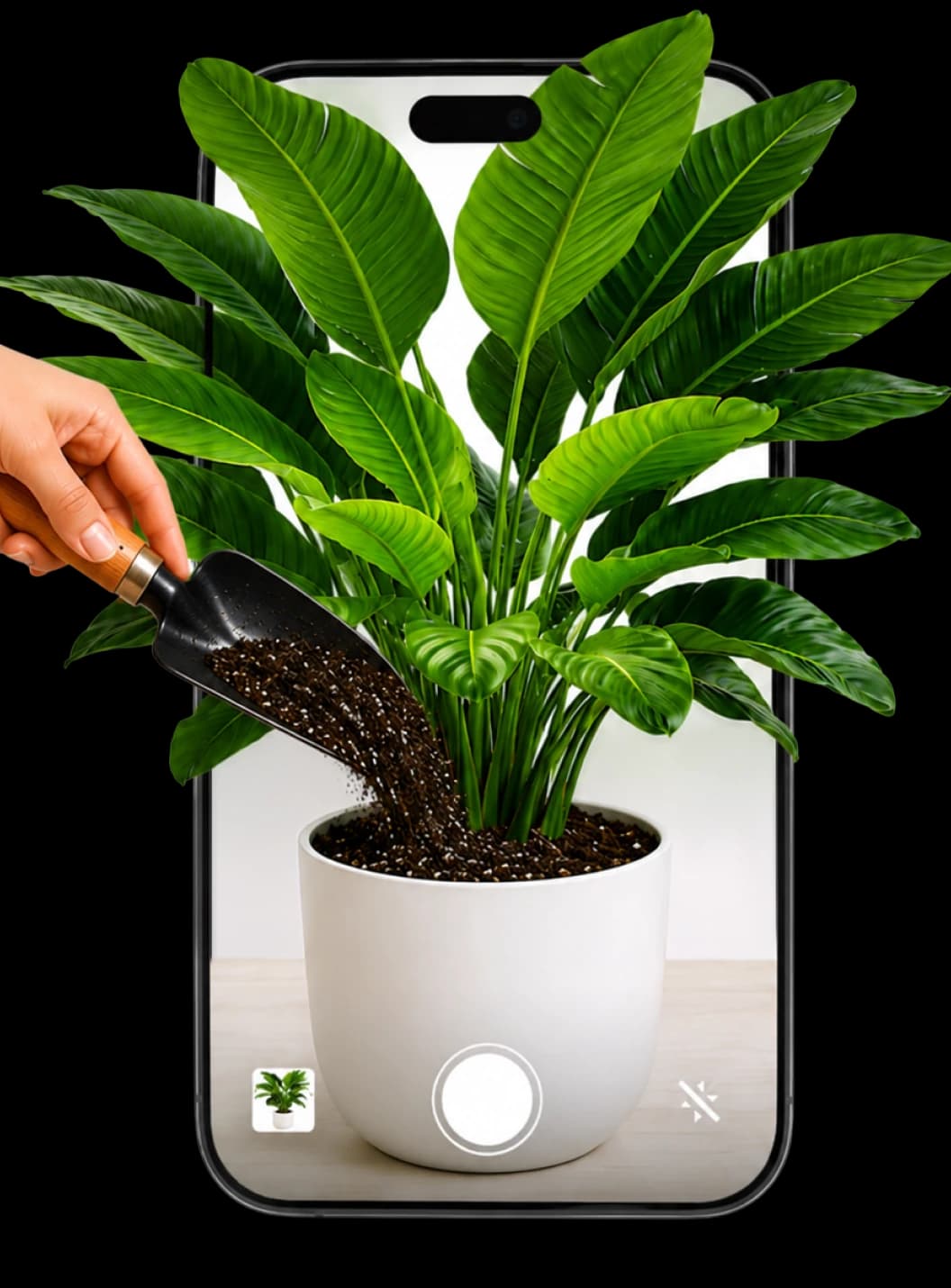
A simple homemade mix can give Lavandula angustifolia the airflow and structure its roots prefer in containers.

100% total mix = 20 scoops
10%
fine gravel or small grit2 scoops
20%
coarse sand4 scoops
30%
pumice or perlite6 scoops
40%
coarse potting soil8 scoops

The finished blend should feel gritty and light, hold its shape loosely, and let water pass through without staying soggy.

This species is especially sensitive to lingering moisture around the roots. Soil issues often develop gradually, so early checks are useful.

Compacted mix:

If the surface hardens and water stops moving through evenly, gently loosen the top layer and plan to replace the soil with a more open mix.

Staying wet too long:

If the root zone remains damp for days, reduce moisture retention by improving the soil structure and checking whether the container drains freely.

Crusted surface:

A dry, sealed top layer can block even moisture movement, so lightly break the crust and refresh the upper portion of the mix.

Spent soil:

Older English lavender soil may shrink, lose structure, or drain unevenly, and the first response is to replace it with fresh, airy material.

Get the Soil Right

Botan helps match this plant to a more suitable soil setup, so texture and drainage choices are easier to judge.

FAQ

Yes. A pot with moderate depth gives roots room to spread downward while keeping the soil column from staying wet too long. Very shallow pots dry fast, while overly deep pots can hold excess moisture below.

Everything About English lavender

More Plant Soil Guides

Check Your Soil Choice

If growth looks off, soil could be one factor worth checking. Botan’s photo-based assessment can help you narrow down possible causes.

Botan app helping with soil and plant care
Frozen vs Fresh Vegetable Nutrients: Which Option Is Healthier?

6 min read · 8 Sept 2026

Frozen vs Fresh Vegetable Nutrients: Which Option Is Healthier?

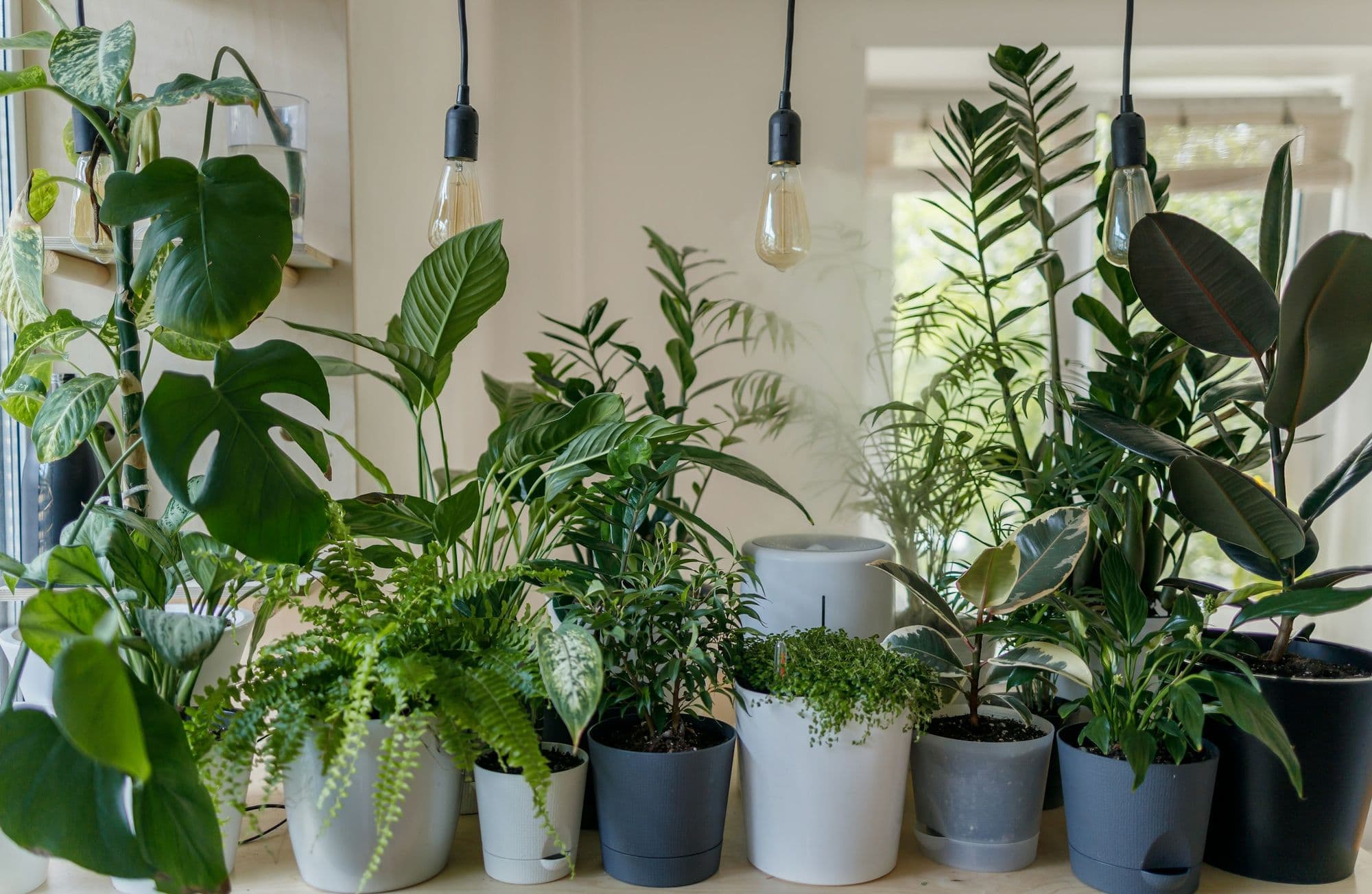
Frozen and fresh vegetables are nutritionally comparable: frozen produce often retains vitamins just as well as fresh and may sometimes contain more. Here’s how blanching and storage affect nutrients—and when to choose each.

Plant Recommendations
Frozen vs Fresh Vegetable Nutrients: Which Option Is Healthier?
Top 15 Plants That Don’t Need Sunlight

8 min read · 17 Sept 2026

Top 15 Plants That Don’t Need Sunlight

Some plants thrive in dim rooms, shaded corners, and places with indirect light. In this guide, you’ll explore the top 15 species best suited to low-light conditions and how to care for them.

Plant Recommendations
Top 15 Plants That Don’t Need Sunlight
How to Bottom Water Plants: Complete Guide

6 min read · 13 Jul 2026

How to Bottom Water Plants: Complete Guide

Bottom watering helps soil absorb moisture evenly and keeps foliage dry, reducing the risk of missed dry spots or root problems. Place the pot in a tray of water for a short time, then let it drain well.

Plant Care
How to Bottom Water Plants: Complete Guide