


5 min read · 11 Sept 2026
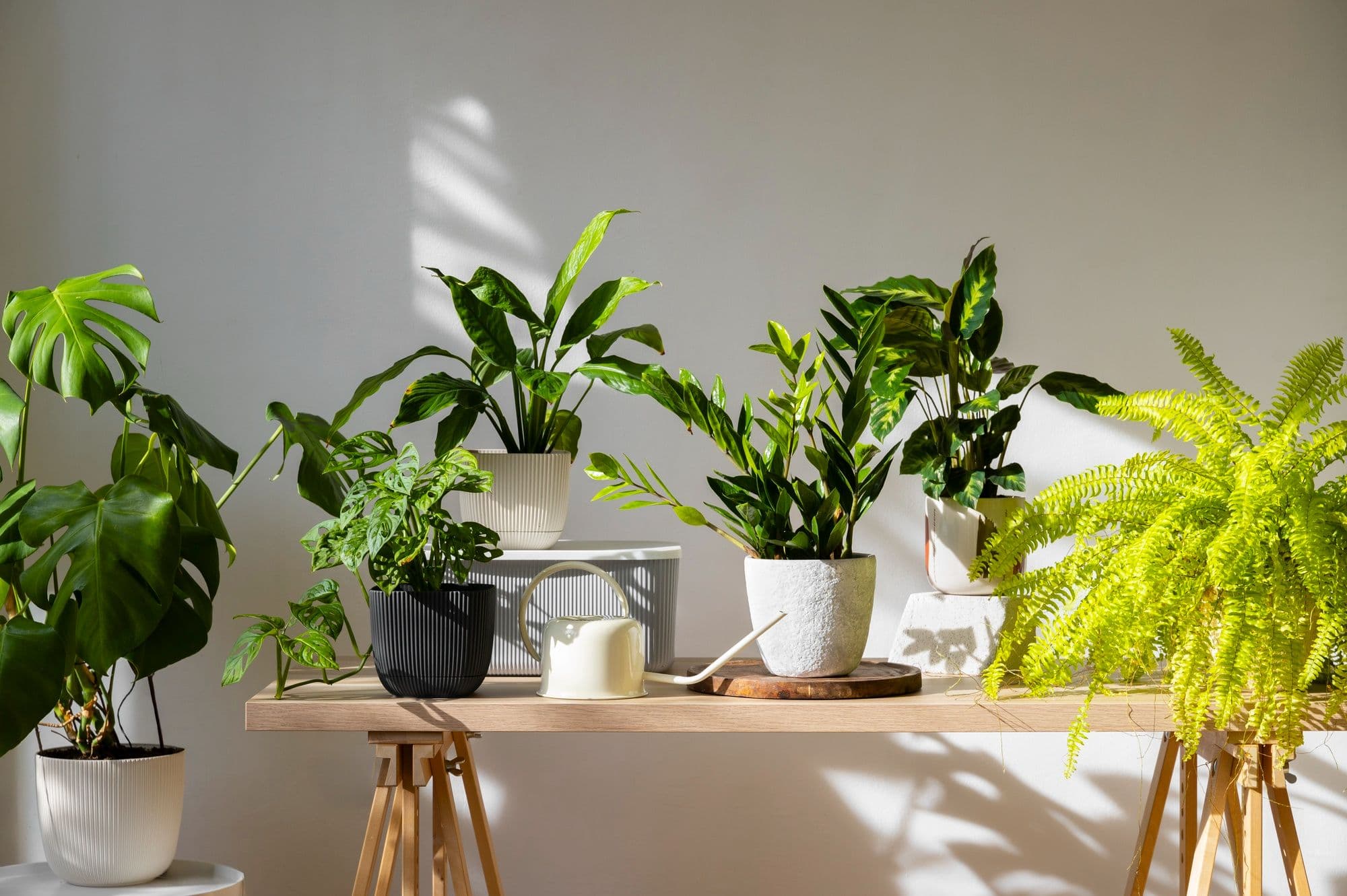
Top 5 Best Indoor Plants for Air Quality
Indoor plants can make a room feel fresher thanks to their air-purifying qualities. Here are 5 of the most suitable choices for your routine and living space.
Plant Recommendations

Petroselinum crispum grows best in loose, moisture-retentive soil with good drainage, which supports steady root development and overall plant health.

Soil Texture
Loamy, Sandy, Organic-rich

Soil pH
Acidic (5.5–6.5), Slightly acidic (6.5–7.0)

Soil Drainage
Moist but well-drained
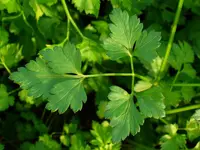
Native to the central and eastern Mediterranean, Petroselinum crispum grows in climates with mild, wetter seasons and soils that stay evenly moist without becoming stagnant. That background explains why parsley performs best in loose, fertile soil with good airflow around the roots.
A loamy to sandy texture suits parsley well because its main root grows downward and benefits from soil that is easy to penetrate. Organic-rich soil helps hold steady moisture, while good drainage prevents water from lingering around the root zone. Slightly acidic to mildly acidic parsley soil supports steady uptake of water and nutrients.
A simple homemade mix can give Petroselinum crispum the balance of air, moisture retention, and structure its roots handle well in containers or raised beds.
The finished blend should feel crumbly and lightly springy, hold some moisture after watering, and let excess water move through without staying soggy.
A good target for parsley is slightly acidic to near neutral soil, around 6.0–7.0 pH. In that range, key nutrients stay more available, which supports steady root function and leaf growth.
Parsley can handle a modest shift within that span, but strongly alkaline or very acidic conditions may reduce how well it takes up nutrients from the soil.
This species often responds poorly when the root zone stays stressed for long periods. Parsley is especially sensitive to dense, stale soil around its taproot.
Dense soil can limit airflow and slow root spread; gently loosen the surface and consider replacing heavy mix with a more open one.
Soil that stays wet for too long can lead to decline around the roots; first check drainage holes and how quickly excess water leaves the container.
If water runs off the surface or down the pot edge, the mix may have dried too far; rewet it gradually so moisture absorbs evenly again.
Old soil can shrink, drain unevenly, or lose structure over time; refresh part or all of the mix if it no longer feels workable and even.

Plant Soil Guide
Find the right soil mix for your plant and support healthier root growth
Botan helps match this plant to a more suitable soil setup based on its growth habit, container conditions, and visible signs of stress.
Yes. This plant develops a central root that benefits from deeper soil, so a shallow pot can limit root growth and make moisture levels swing faster than expected.
A quick photo check can help show whether soil conditions may be contributing to the problem and what to review next.
5 min read · 11 Sept 2026
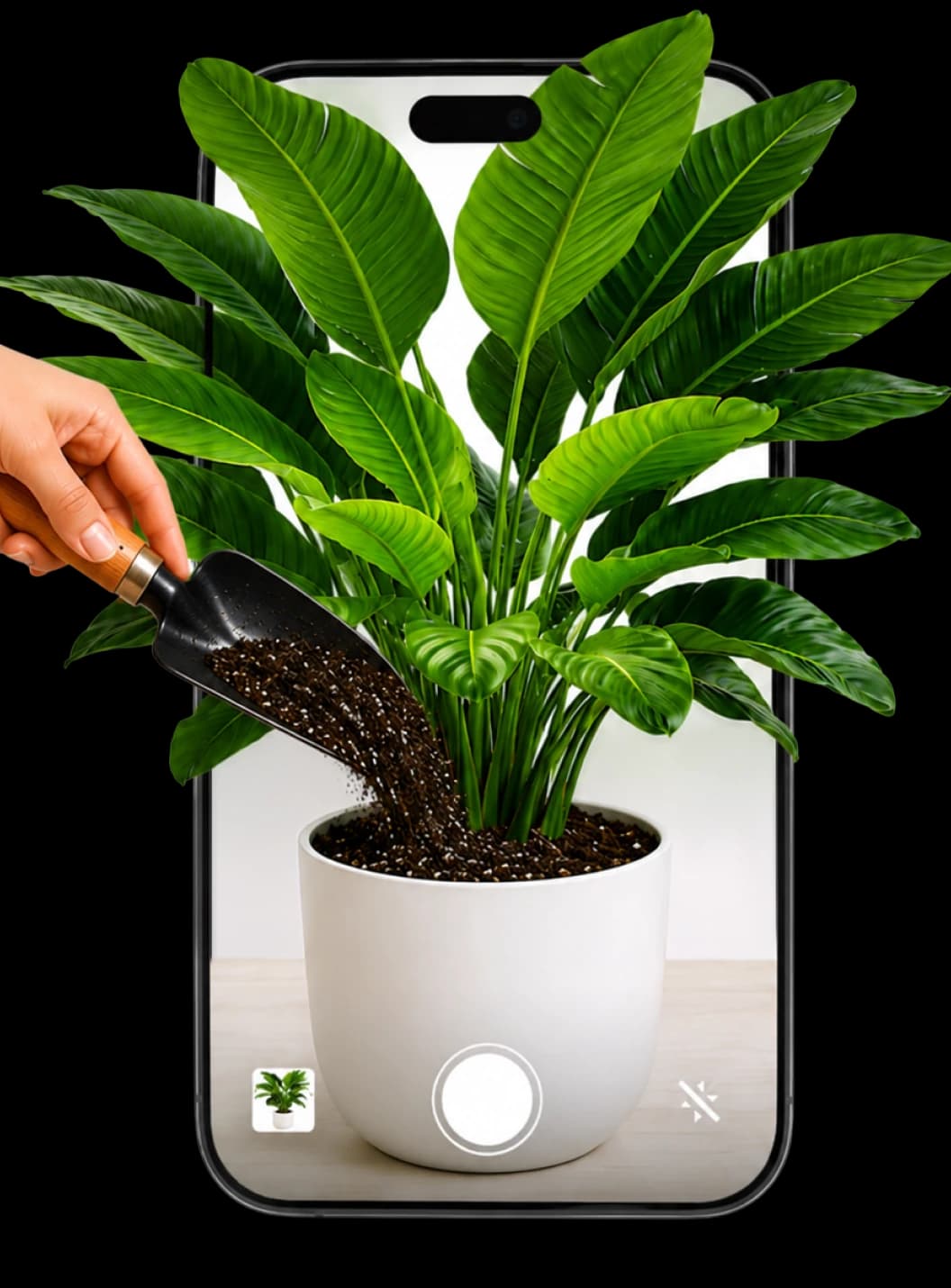
Indoor plants can make a room feel fresher thanks to their air-purifying qualities. Here are 5 of the most suitable choices for your routine and living space.
6 min read · 10 Jul 2026
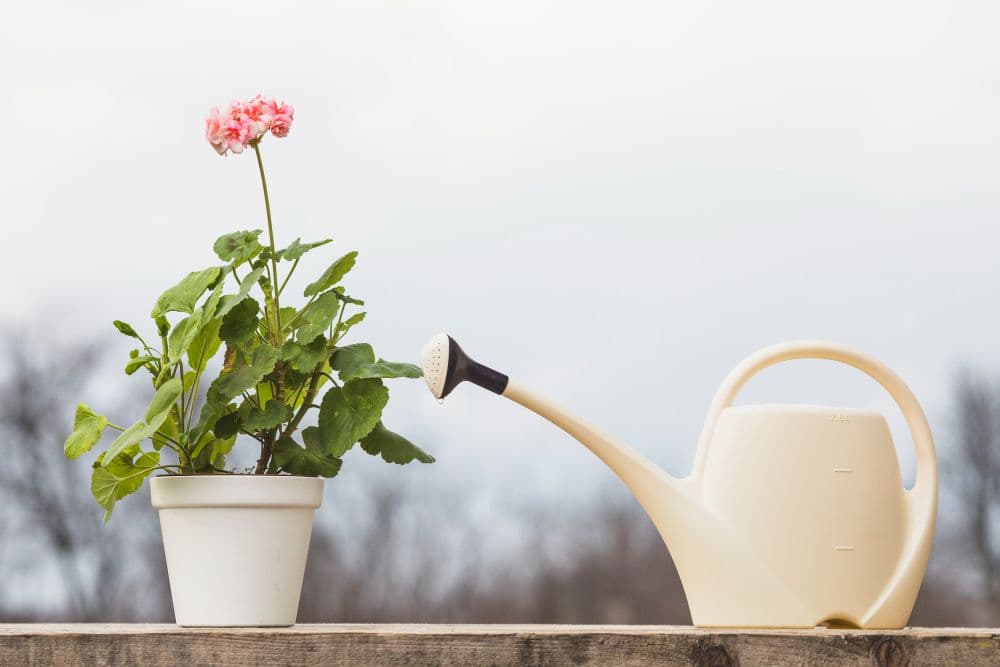
Flowers can survive without water anywhere from 1-2 hours to several months, depending on the plant type, species, and growing conditions. Some strong-looking flowers are drought-sensitive, while delicate-looking plants may tolerate long dry periods surprisingly well.
8 min read · 24 Jul 2026
Spiders constantly appear in places you don't want them. A few common plants can help repel them using scent alone. Here are 12 options suitable for both indoors and outdoors, plus care tips for each.