


5 min read · 11 Sept 2026
Top 5 Best Indoor Plants for Air Quality
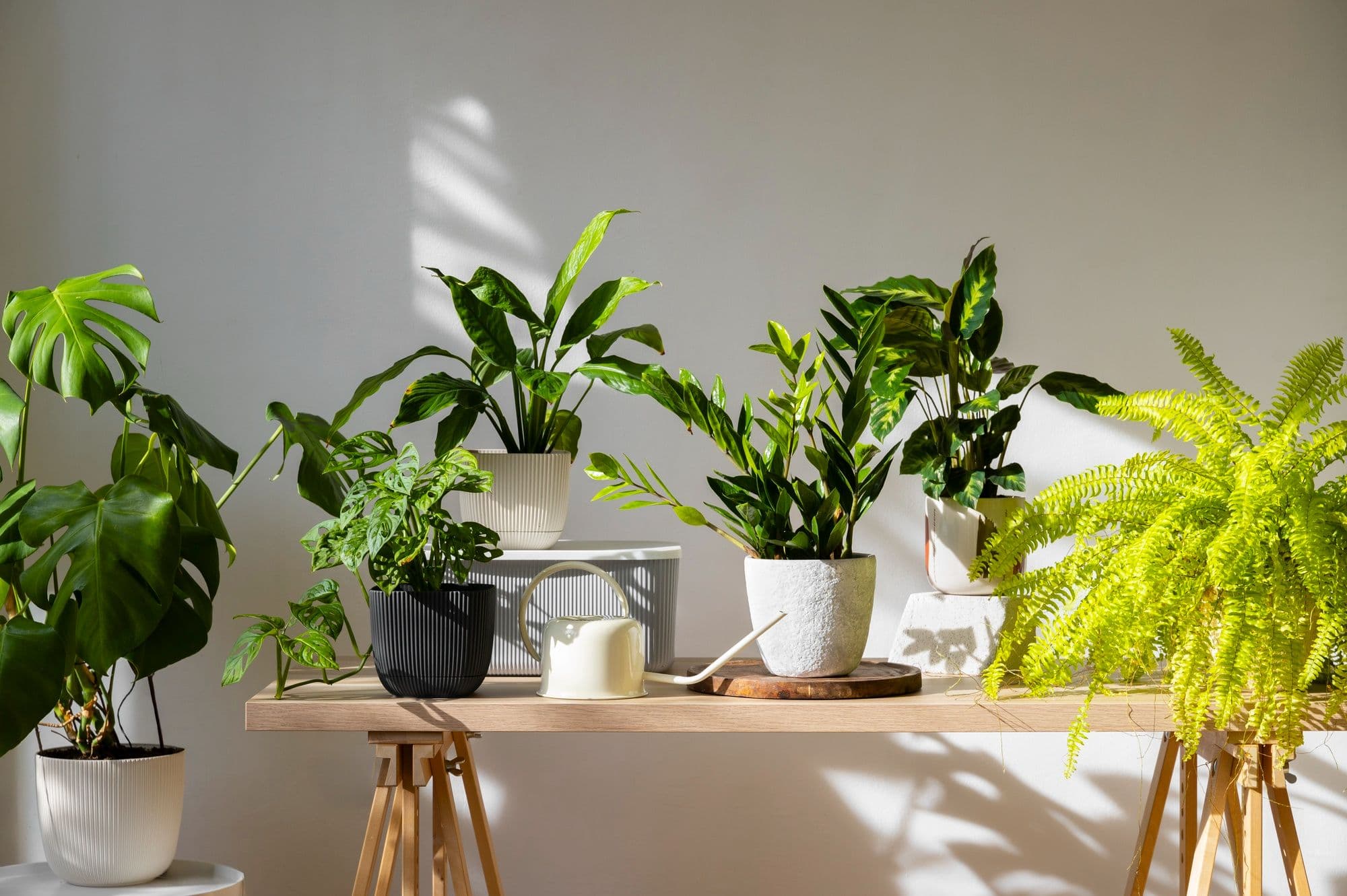
Indoor plants can make a room feel fresher thanks to their air-purifying qualities. Here are 5 of the most suitable choices for your routine and living space.
Plant Recommendations

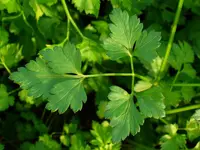
To recognize parsley, look for a compact basal clump of bright green, divided leaves, each leaf made of three main leaflets with toothed, often curled or ruffled edges. Leaves rise on long, slender stalks from the crown.
Flowering stems are upright, grooved, and branch near the top into small flat-topped umbels.
Check your plant ID by uploading a clear photo to Botan.
Clear images work best. Avoid photos taken too close or too far away
Use these quick visual traits to check Petroselinum crispum at a glance.
Check the overall clump shape and divided leaves first, then confirm with the flat flower clusters if present.
Parsley shows clear visual shifts from a low rosette to tall flowering stems.
Parsley is usually divided into a few visually distinct forms that are easy to tell apart by the leaves.
In spring, parsley quickly shows fresh, bright green leaf clusters that stay visible through mild weather. By early to mid-summer, taller flower stalks appear, topped with small yellow-green umbels, followed by tiny ribbed seeds. After flowering, plants often look thinner and less leafy, which helps separate blooming plants from the low leafy stage.
A few edible herbs and some toxic relatives can be mistaken for parsley.
cilantro(Coriandrum sativum)
Both form low leafy rosettes. Cilantro has rounder, more scalloped lower leaves, while parsley leaflets are usually sharper and more pointed.
chervil(Anthriscus cerefolium)
Both have fine, divided green leaves. Chervil looks softer and more fernlike, with thinner leaf segments than parsley.
poison hemlock(Conium maculatum)
Young plants can resemble leafy parsley. Poison hemlock soon makes a tall hollow stem with distinct purple blotches, unlike parsley’s short plain green stems.

Identify Your Plant
Scan your plant to get a quick ID
Use Botan to identify or confirm the plant from a photo so you can make better decisions with more confidence.
The best clue is the leaf. This plant has divided, bright green leaves with triangular overall outlines and bluntly toothed segments. Garden forms are either flat and lacy or tightly curled, both on grooved stalks.
Identify a plant from a photo with Botan, then get plant details, care information, and common problems for that species.
5 min read · 11 Sept 2026
Indoor plants can make a room feel fresher thanks to their air-purifying qualities. Here are 5 of the most suitable choices for your routine and living space.
6 min read · 10 Jul 2026
Flowers can survive without water anywhere from 1-2 hours to several months, depending on the plant type, species, and growing conditions. Some strong-looking flowers are drought-sensitive, while delicate-looking plants may tolerate long dry periods surprisingly well.
8 min read · 24 Jul 2026
Spiders constantly appear in places you don't want them. A few common plants can help repel them using scent alone. Here are 12 options suitable for both indoors and outdoors, plus care tips for each.