


5 min read · 11 Sept 2026
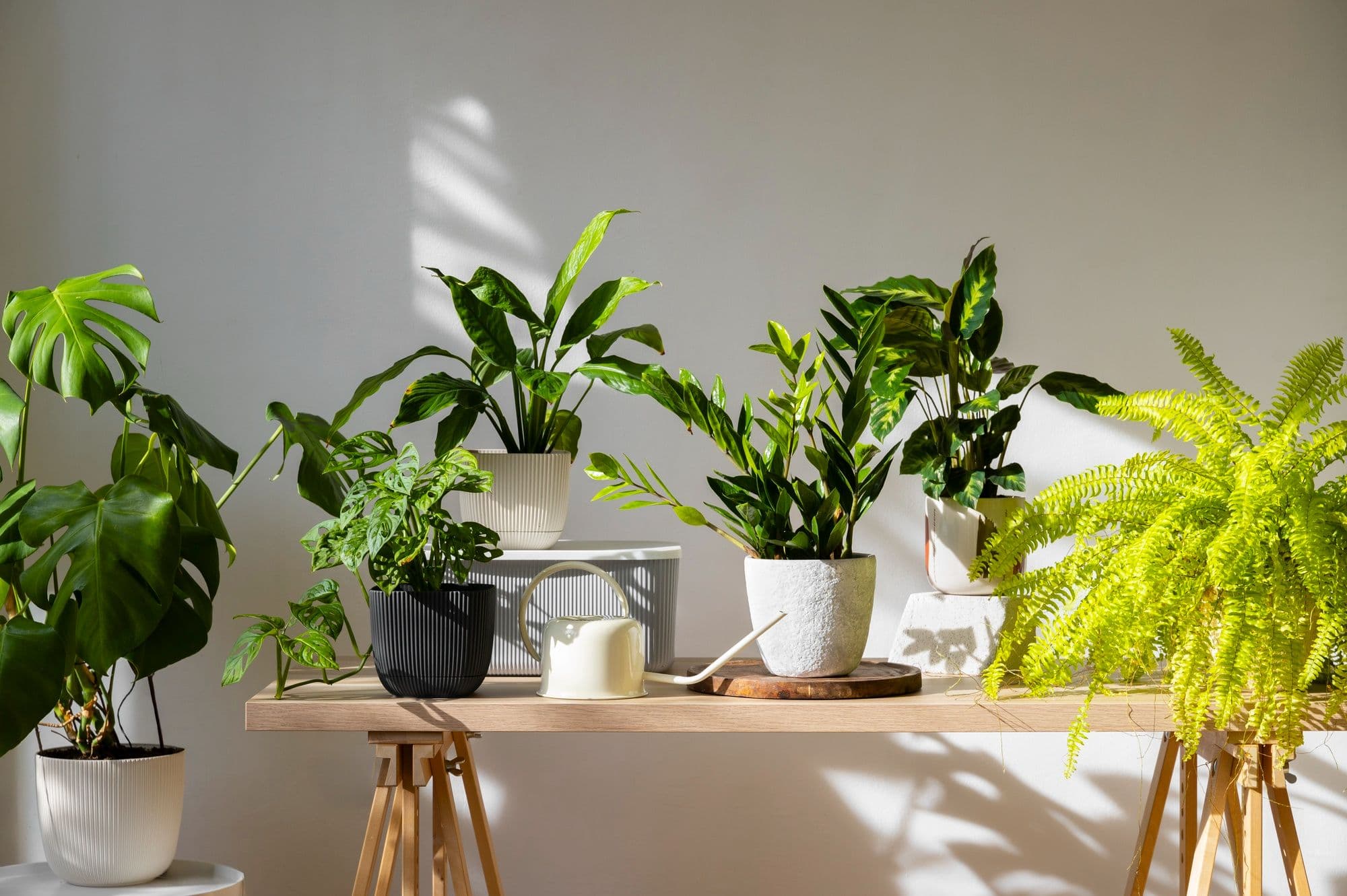
Top 5 Best Indoor Plants for Air Quality
Indoor plants can make a room feel fresher thanks to their air-purifying qualities. Here are 5 of the most suitable choices for your routine and living space.
Plant Recommendations

This page explains when, how often, and how much to water Petroselinum crispum for steady, healthy growth.

Water Requirements
Regular Water
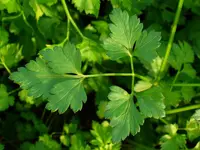
Good watering habits keep soil moisture steady and growth reliable for this kitchen staple. Petroselinum crispum, commonly grown as parsley, comes from regions with moderate rainfall and reasonably moist ground. It prefers lightly moist soil that never stays waterlogged or bone dry for long.
In practice, watering parsley means watching the top layer of soil and responding to gradual drying. Outdoor beds usually hold moisture longer than indoor pots, so container plants often need closer attention without strict schedules.
Allow the top 1–2 inches (3–5 cm) of soil to dry before watering again. Indoors, Petroselinum crispum typically needs water every 3–7 days, depending on pot size and light levels. Outdoor plants in hot, sunny conditions may need more frequent checks and shorter intervals between waterings.
Water parsley when the top 1 inch (2–3 cm) of soil feels dry, aiming for even, moderate moisture throughout the pot.
Incorrect moisture levels may stress Petroselinum crispum and gradually weaken foliage and root health.
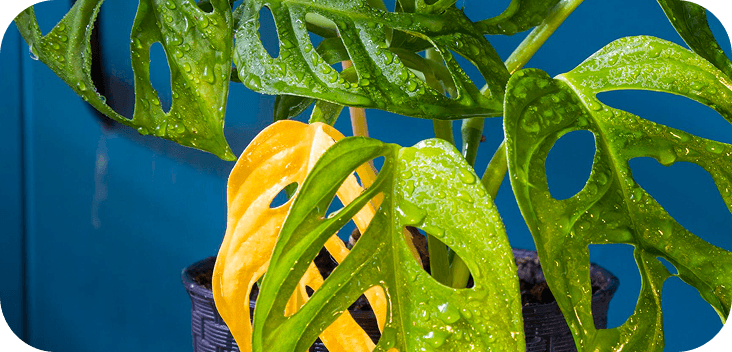
Older leaves turn pale yellow from persistently soggy soil and declining root oxygen availability.
Limp foliage despite damp potting mix suggests root rot, requiring drier conditions and better drainage.
Crisp, brown edges arise from chronic underwatering or uneven moisture reaching shallow feeder roots.
Slow growth and coarse-textured leaves develop when soil stays dry too long between waterings.
Soft, darkened roots appear after prolonged waterlogging, often from containers lacking adequate drainage holes.
Keep soil consistently moist but not waterlogged, adjusting frequency to container size, soil type, and climate.
Unsuitable watering habits can quickly stress Petroselinum crispum, weakening foliage, shortening harvest life, and inviting pests and diseases.
Healthy parsley watering focuses on responsive soil checks, fast‑draining conditions, and briefly moist—not constantly wet—roots for steady leafy growth.
Is It Time to Water?
See whether your plant is ready for watering or needs more time to dry.
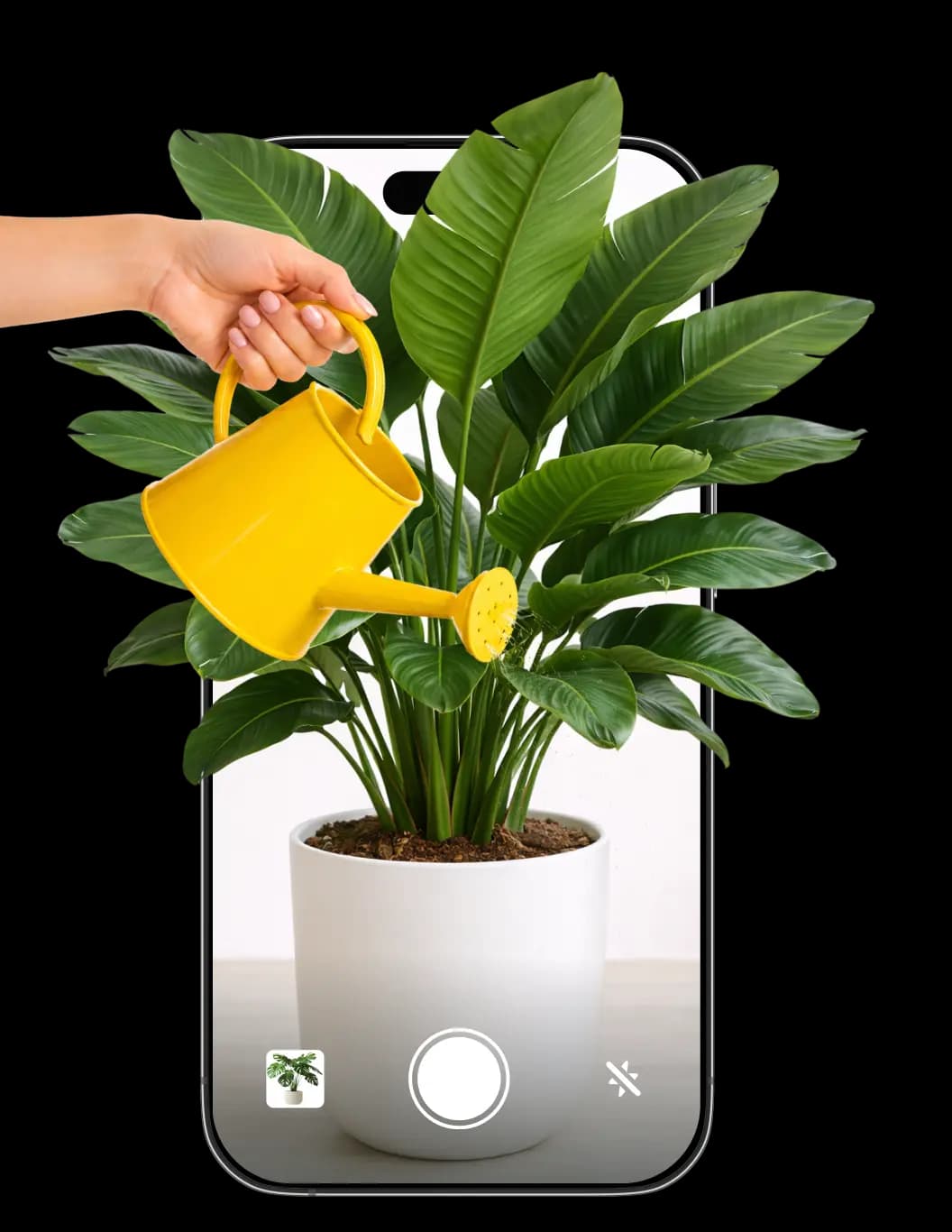
Use Botan for a clear watering guide and simple care steps for parsley. The app can also review plant photos to help spot early signs of stress or other issues.
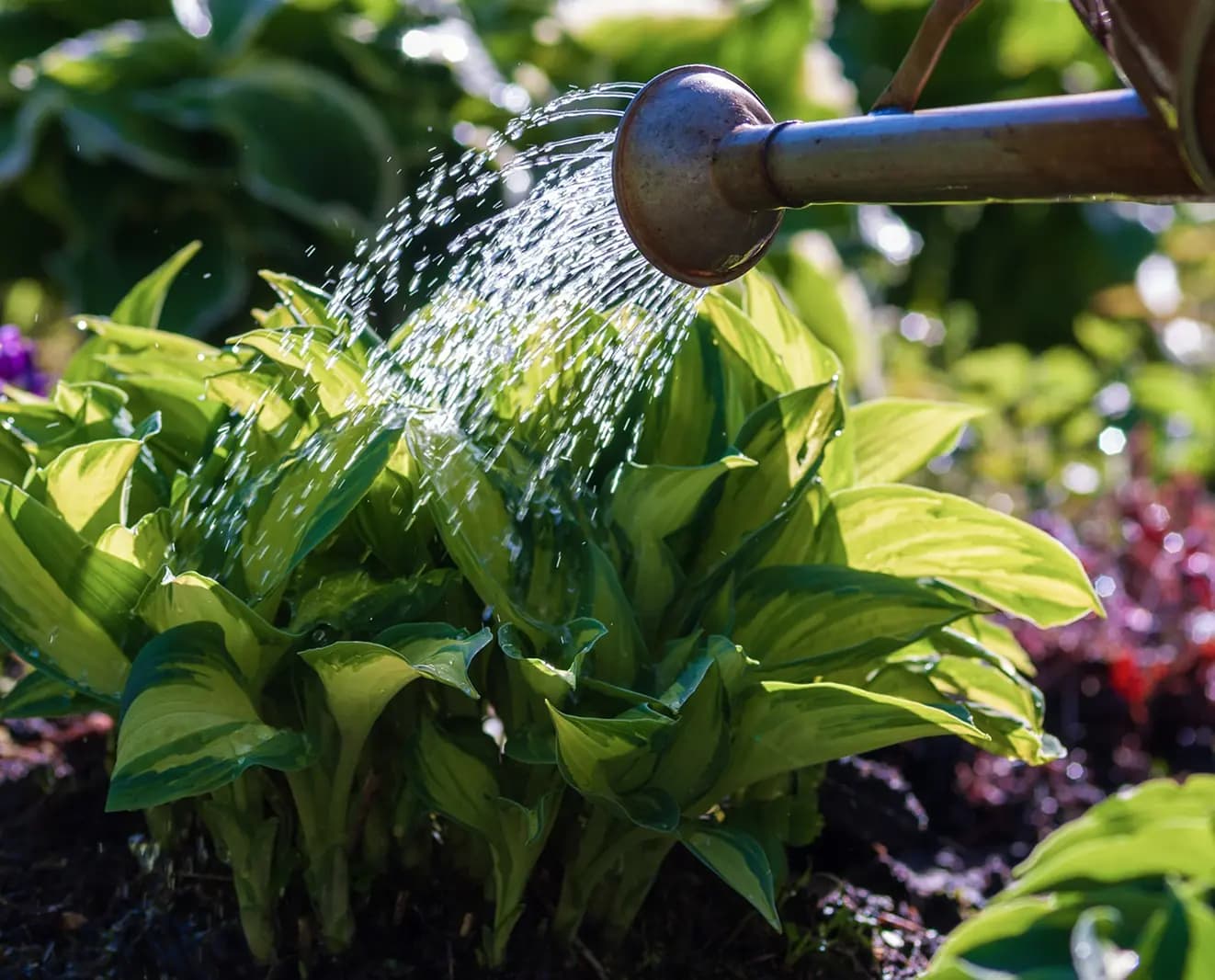
Larger pots hold moisture longer, so the soil stays damp and watering can be less frequent. Small pots dry quickly and may need more frequent checks. Always water based on soil moisture, not a fixed schedule.
Use Botan to review your watering routine and adjust it with confidence.
5 min read · 11 Sept 2026
Indoor plants can make a room feel fresher thanks to their air-purifying qualities. Here are 5 of the most suitable choices for your routine and living space.
6 min read · 10 Jul 2026
Flowers can survive without water anywhere from 1-2 hours to several months, depending on the plant type, species, and growing conditions. Some strong-looking flowers are drought-sensitive, while delicate-looking plants may tolerate long dry periods surprisingly well.
8 min read · 24 Jul 2026
Spiders constantly appear in places you don't want them. A few common plants can help repel them using scent alone. Here are 12 options suitable for both indoors and outdoors, plus care tips for each.