cannabis (Cannabis sativa) Watering Guide

This page explains when, how often, and how much to water Cannabis sativa in straightforward, practical terms.

Water Requirements

Moderate Water

Cannabis sativa Watering

Native to regions with moderate, often seasonal rainfall, Cannabis sativa prefers light, well-aerated soil that dries slightly between waterings. A good starting mindset for watering cannabis is balancing brief drying periods with steady access to moisture in the root zone.

For indoor plants, room conditions change moisture needs more than outdoor ground-grown plants anchored in deeper, more stable soil. This section outlines how to water cannabis in a controlled, consistent way before adjusting for specific setups or growth stages.

Let the top 1–2 inches (3–5 cm) of soil dry before watering again; the pot should feel lighter when lifted. Indoor plants in moderate light typically need water every 2–4 days, but hot grow lights or outdoor heat can shorten this interval for Cannabis sativa in active growth.

Water cannabis when the top 1-2 inches (3-5 cm) of soil feel dry, using slow, deep watering focused on the root zone.

  • Pour room-temperature water slowly around the base of each plant, keeping stems and leaves as dry as possible.
  • Continue adding water until it moves evenly through the pot, ensuring the entire root zone is thoroughly moistened.
  • Allow excess water to drain freely from the container holes, then empty saucers so roots do not sit in standing water.
  • Use top watering for soil-grown plants, avoiding frequent light splashes that only moisten the surface and encourage shallow roots.

Incorrect moisture levels can disrupt Cannabis sativa growth and trigger multiple avoidable stress responses.

Drooping Foliage:

Leaves sag and lose vigor when roots experience alternating cycles of waterlogging and excessive dryness.

Yellowing Lower Leaves:

Older foliage turns pale when prolonged saturation reduces root oxygen, hindering nitrogen uptake efficiency.

Slow, Stunted Growth:

Plant remains small when roots stay in dense, soggy substrate with limited aeration and drainage.

Soil Surface Crusting:

Top layer hardens from repeated overwatering and drying, causing runoff and uneven root-zone hydration.

Root Browning And Slime:

Discolored, mushy roots indicate chronic saturation and poor drainage, inviting opportunistic fungal pathogens.

Maintain evenly moist, well-aerated substrate, avoiding both prolonged saturation and complete drying between waterings.

Unsuitable watering habits can slow Cannabis sativa growth, reduce yields, and make plants more vulnerable to pests and stress.

  • Watering by calendar: Following a rigid schedule instead of checking soil moisture keeps roots too wet or too dry; test the top layer before watering.
  • Poor draining soil mix: Using dense garden soil traps water around roots; use a light mix with perlite or similar materials to improve drainage.
  • Leaving runoff in saucers: Letting pots sit in collected runoff keeps roots saturated; empty saucers shortly after watering so excess moisture can escape.

Safer watering for this species relies on responsive habits that respect soil moisture, drainage, and short dry pauses between thorough waterings.

  • Spring: Rapid vegetative growth usually increases demand; monitor container weight and water when the top layer dries rather than using a fixed schedule.
  • Summer: Higher light and heat can speed evaporation; in outdoor plants, adjust for local rainfall to avoid both drought stress and waterlogging.
  • Fall: Flowering plants often slow foliage growth; allow slightly longer drying between waterings while preventing complete root-zone dehydration.
  • Winter: Indoor mother plants under weaker light and cooler rooms need reduced volume and frequency, while still avoiding extended dry periods in containers.

Your cannabis Care Companion

Use Botan for a simple watering guide and step-by-step care procedures for Cannabis sativa. The app also reviews plant photos to help spot early signs of stress or pests.

Botan plant care app — identify plants on mobile

Interesting Watering Facts

Moisture‑sensitive root zone

Cannabis sativa forms a relatively dense, fibrous root system in the upper soil layers, which depends on good oxygen levels; prolonged waterlogging quickly reduces root respiration and can trigger root disease, so it performs best in well‑drained soils that alternate between moist and slightly dry.


Rainfall‑linked flowering timing

In traditional hemp-growing regions, many C. sativa landraces flower as late-summer rains decline, which naturally reduces humidity around dense inflorescences and lowers the risk of fungal problems such as Botrytis cinerea on maturing flowers and seeds.

Short‑term drought resilience

Field studies on fiber and seed hemp show that C. sativa can temporarily tolerate moderate soil moisture deficits by slowing growth and adjusting leaf conductance, yet sustained drought during early vegetative stages significantly reduces biomass and final yield.

FAQ

Water slowly and deeply until excess drains out, then allow the top layer to dry before the next irrigation. Trim crispy leaves, improve soil moisture retention, and monitor pot weight to prevent repeated stress. Recovery can be gradual.

Everything About cannabis

More Plant Watering Guides

Is Your Watering Routine Hurting Your cannabis?

Botan reviews your watering pattern to suggest more appropriate moisture levels over time.

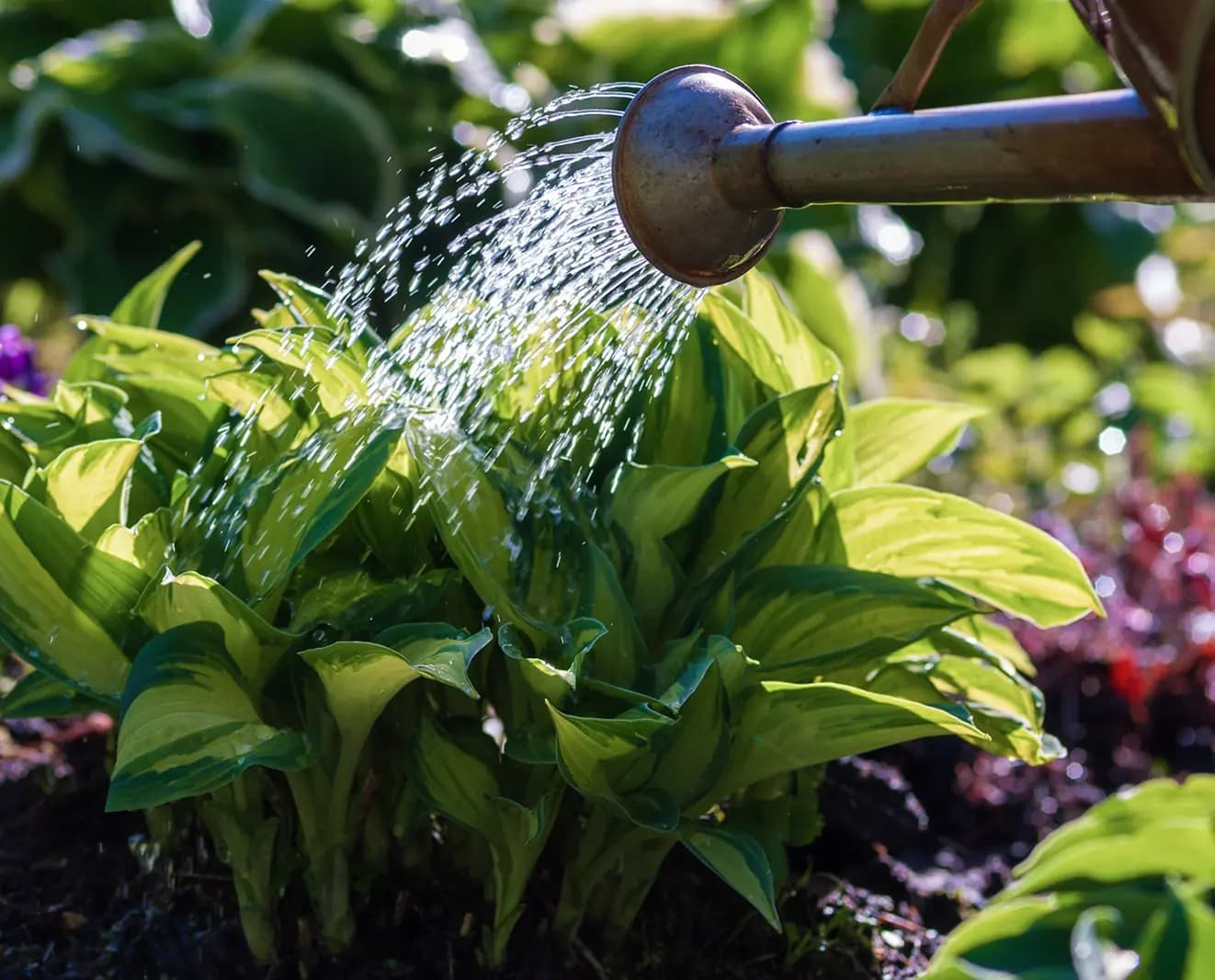
Watering a plant with a copper watering can
12 Best Plants for Bathroom That Thrive in Humid Conditions

9 min read · 29 Sept 2026

12 Best Plants for Bathroom That Thrive in Humid Conditions

Discover the 12 best plants for bathroom spaces. Each pick comes with its own advantages, plus light, humidity, watering, and placement tips. Take a look and match the plant to your specific bathroom.

Plant Recommendations
12 Best Plants for Bathroom That Thrive in Humid Conditions
How to Group Plants in Landscaping: A Practical Layout Guide

8 min read · 31 Aug 2026

How to Group Plants in Landscaping: A Practical Layout Guide

Good plant grouping can mean the difference between a well-planned garden and one that looks sloppy. This guide explores layers, spacing, cluster shapes, and the plants that thrive when you group them.

Plant Care
How to Group Plants in Landscaping: A Practical Layout Guide
What Do Plants Need to Grow – 5 Things Every Greenery Can't Live Without

8 min read · 31 Jul 2026

What Do Plants Need to Grow – 5 Things Every Greenery Can't Live Without

To keep plants healthy and thriving, provide the right balance of light, humidity, nutrients, airflow, and quality soil. This guide covers the essentials of year-round plant care.

Beginner Guides
What Do Plants Need to Grow – 5 Things Every Greenery Can't Live Without