6 min read · 19 Aug 2026
How to Tell if a Plant Is Dead
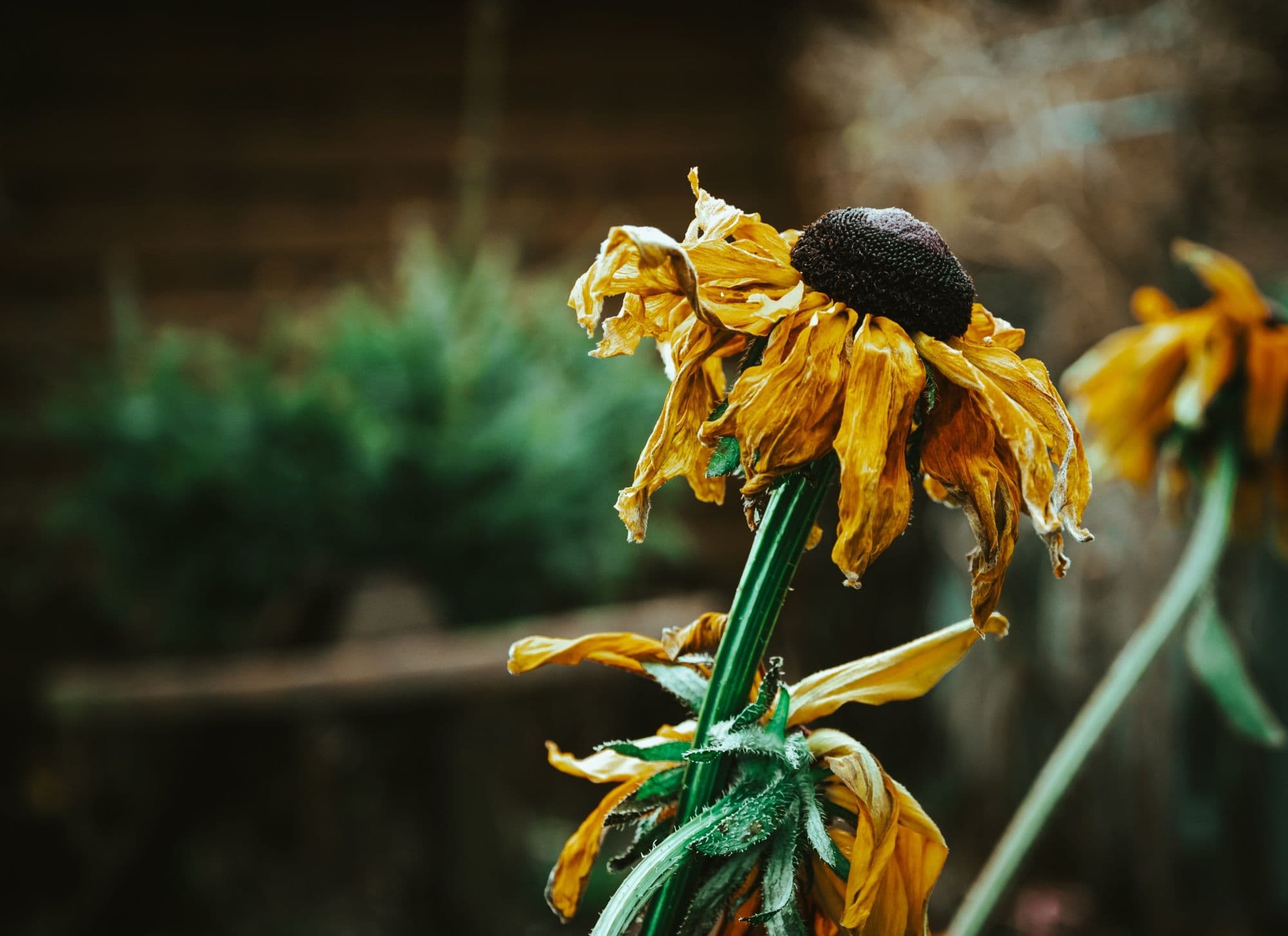
A plant can lose its leaves, stop growing, or collapse and still remain alive. A closer look at the stems, roots, bulbs, and tubers can show whether the plant still has a chance to recover.
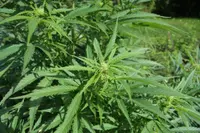
Cannabis sativa grows best in loose, well-drained soil with balanced moisture and a slightly acidic reaction to support healthy root development.

Soil Texture
Sandy, Loamy, Organic-rich

Soil pH
Acidic (5.5–6.5), Slightly acidic (6.5–7.0)

Soil Drainage
Well-drained

Native to temperate parts of Asia, Cannabis sativa evolved in open, sunny ground with loose, workable soil rather than dense, soggy conditions. That background explains its preference for a well-drained, airy substrate that still holds some steady moisture around the roots.
Its root system grows fast and spreads deeply when space allows, so the best soil for cannabis is loamy to sandy-loamy with good oxygen flow and moderate organic content. A slightly acidic to mildly acidic reaction supports nutrient uptake without making the substrate harsh or overly mineral-heavy.

A homemade mix gives better control over texture and airflow than many standard bags. For Cannabis sativa, the goal is a root zone that stays evenly moist without becoming dense.
The finished blend should feel crumbly and springy, not sticky or heavy, and excess water should move through it without pooling.
A good target range is 5.5–6.8 pH. This species prefers slightly acidic soil, where key nutrients stay more available to the roots instead of becoming harder to absorb.
If the root zone drifts far outside that range, cannabis may have trouble taking up nutrients even when the soil contains them. A mildly acidic reaction supports more balanced nutrient access over time.
Soil issues can affect root function before obvious top growth changes appear. Cannabis is especially sensitive to stale, compacted root zones that stay wet for too long.
Compaction: Soil feels hard, shrinks from the pot edge, or drains slowly, so gently loosen the surface and check whether the mix needs more air space.
Poor drainage: Water lingers near the roots and the container stays heavy for too long, so confirm open drainage holes and reduce saturation.
Hydrophobic mix: Very dry soil may repel water and leave dry pockets, so rewet it gradually instead of flooding it all at once.
Salt buildup: A crust on the surface or pot rim can point to accumulated minerals, so flush with plain water if the container drains freely.

Plant Soil Guide
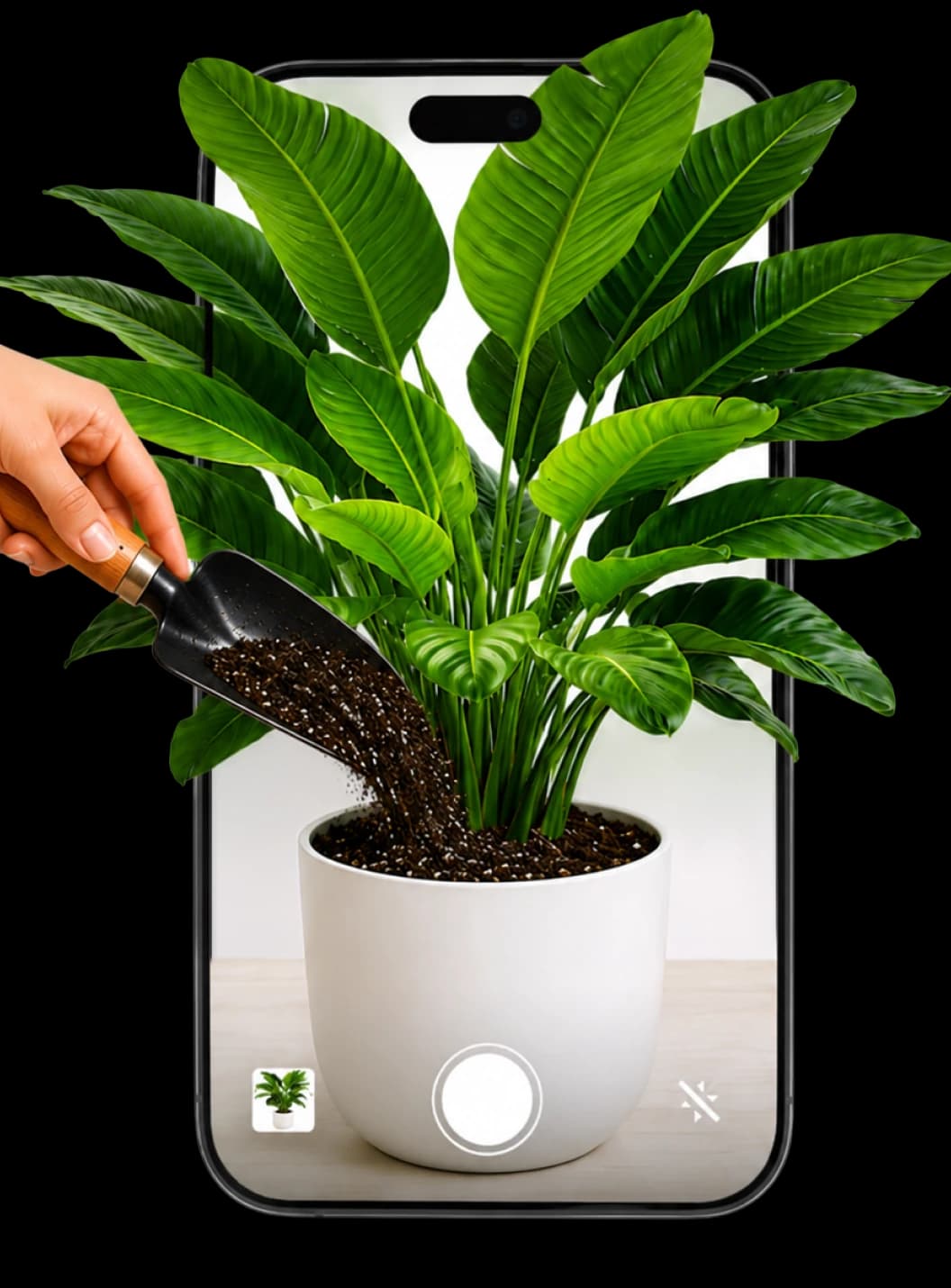
Find the right soil mix for your plant and support healthier root growth
Botan helps identify the plant and match it to a soil setup that better fits its root structure, drainage needs, and growing habit.
Yes. Drainage holes let excess water leave the container and allow more air into the root zone, which helps prevent stagnant conditions that can weaken root health over time.
Use Botan’s photo-based assessment to check whether soil conditions may be part of the problem and what to review next.


6 min read · 19 Aug 2026
A plant can lose its leaves, stop growing, or collapse and still remain alive. A closer look at the stems, roots, bulbs, and tubers can show whether the plant still has a chance to recover.

8 min read · 8 Jul 2026
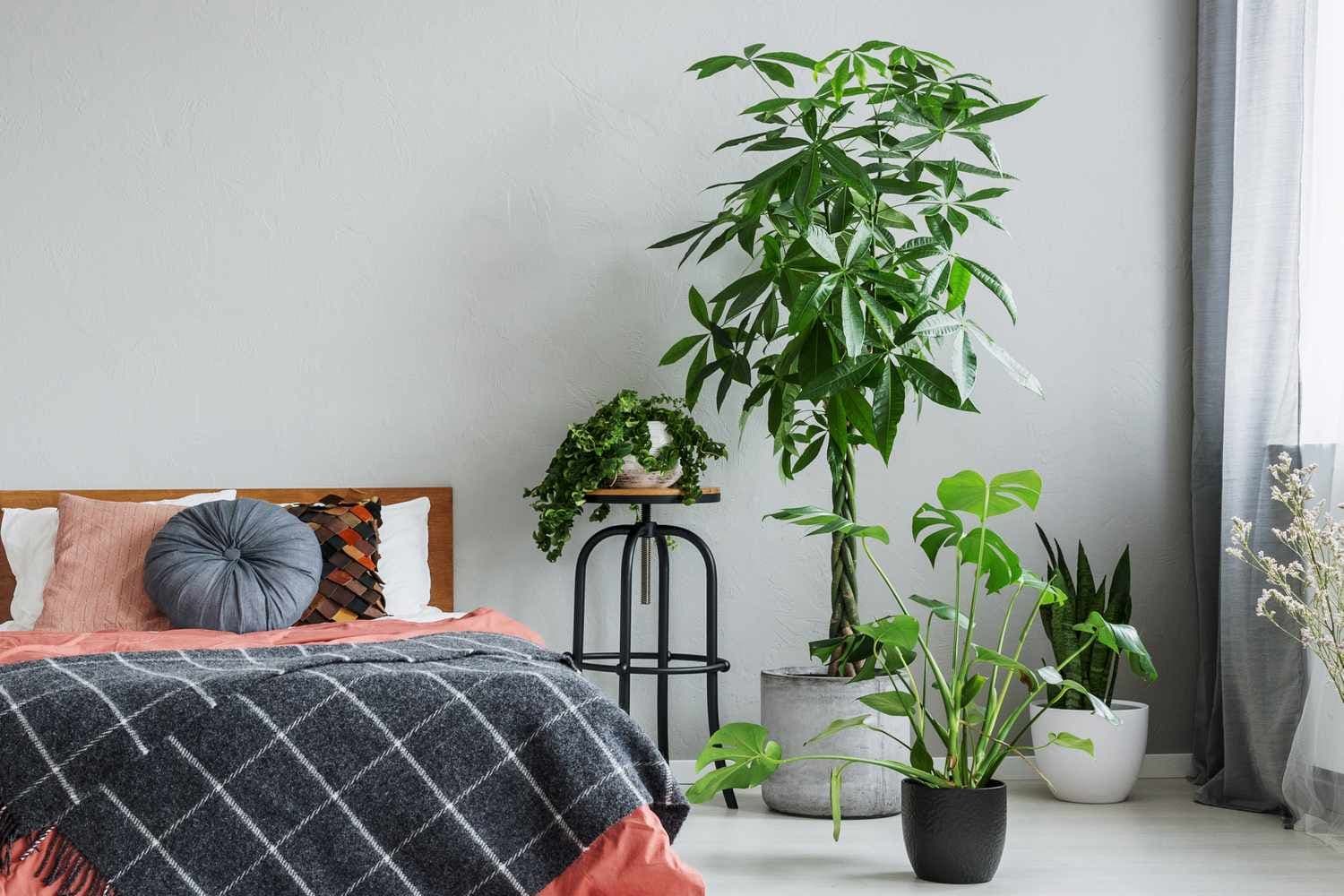
Discover the top 10 houseplants that are suitable for growing in your bedroom. Compare their light and water needs, pet safety, and benefits. Find out where best to place greenery in your relaxation space and what species to avoid.

7 min read · 30 Jul 2026
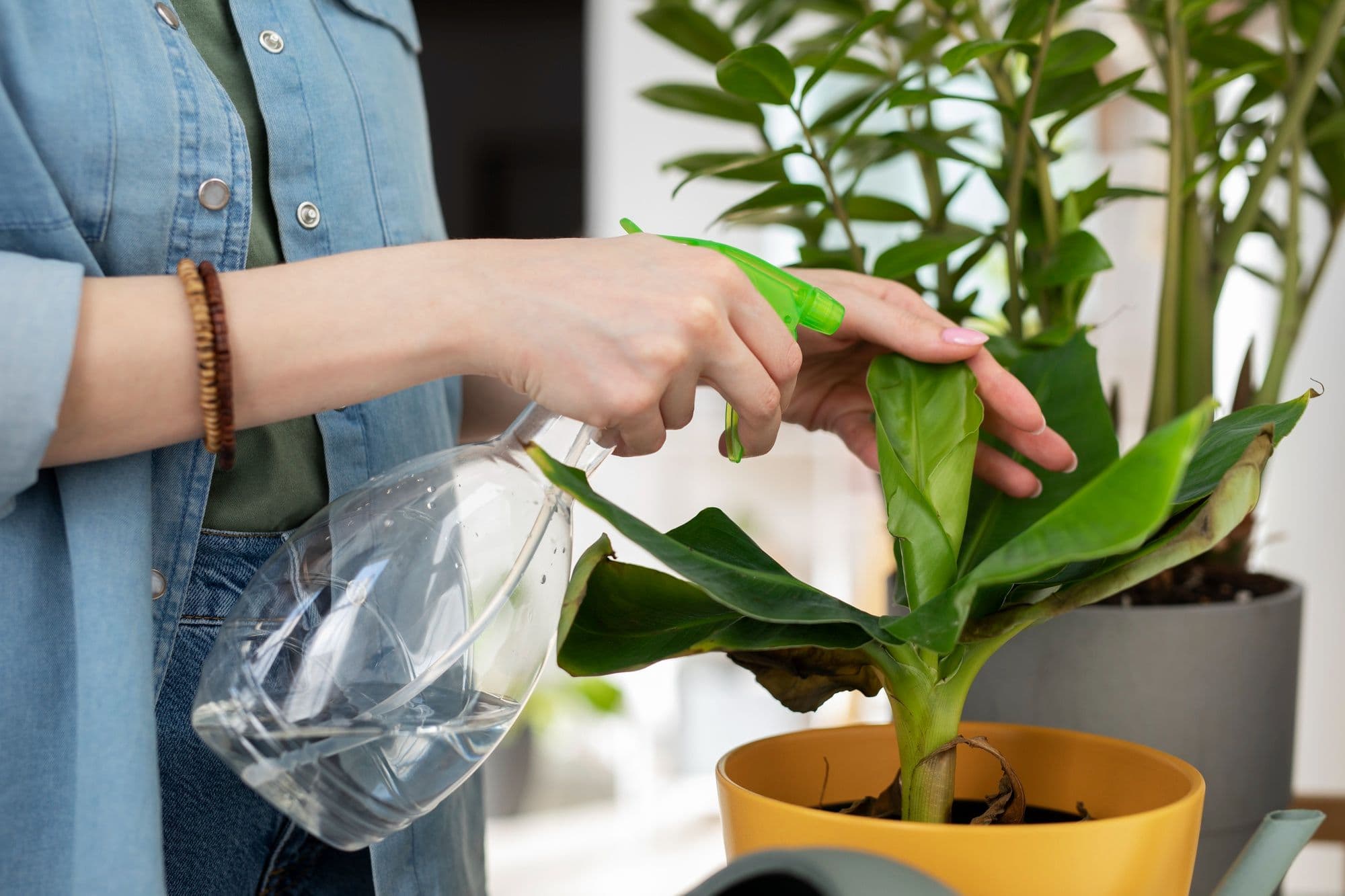
Find out when misting works well and when to avoid it. Here, you’ll find detailed information about compatible and incompatible species, tips on how often to mist plants and do it correctly, and some great alternatives for raising humidity.