

cannabis (Cannabis sativa) Light Needs

cannabis grows best in full sun, with long, bright exposure and several hours of direct sunlight daily.

Light Preference

Full Sun

Cannabis sativa Light Requirements

In naturalized and cultivated settings, this species is most vigorous in open, sunny sites rather than shaded understory conditions. It is commonly found where light is direct for much of the day, such as fields, disturbed ground, and other exposed spaces.

That open exposure explains why cultivated plants perform best with strong, uninterrupted light. Its preferred light is full sun.

  • Ideal exposure:

    cannabis needs about 6–8 hours of full sun daily, with at least 6 hours of direct sun when grown in natural light.

  • Direct sun:

    Mature, acclimated plants tolerate full outdoor sun, but sudden placement in harsh midday sun can scorch tender growth.

  • Low light:

    Shade or dim indoor light produces weak, stretched stems and poor flowering, so it is not a suitable long-term condition.

  • Afternoon intensity:

    In very hot conditions, increase exposure gradually and watch upper leaves during the strongest afternoon sun.

Indoors, natural window light is usually limiting, so choose the brightest unobstructed exposure available.

NPoor
North-facing window:

A north-facing window is too dim for strong growth unless supplemented with a suitable grow light.

EConditional
East-facing window:

An east-facing window can help with morning sun, but it may need supplemental light if direct exposure ends early.

SBest
South-facing window:

A south-facing window gives the strongest natural indoor light and is the best window choice in most homes.

WSuitable
West-facing window:

A west-facing window can be suitable if the plant is acclimated to stronger afternoon sun and does not overheat.

Keep the plant close to the glass and avoid shaded corners, screens, or heavy curtains that reduce direct sun.

Strong light can damage leaves, especially after a sudden increase in exposure.

Bleached tops:

Upper leaves may look pale or washed out where intense light hits them directly.

Sunburn patches:

Tan, dry patches can appear on exposed leaves after abrupt outdoor placement or harsh afternoon sun.

Leaf canoeing:

Leaf edges may curl upward as the plant tries to reduce light and heat on the surface.

Stalled tips:

New growth near the light source may stay small or look stressed while lower growth remains greener.

Move Cannabis sativa into slightly less intense light or add light filtering during the hottest part of the day. Increase direct sun again gradually if the plant was recently moved.

Low light usually shows in the plant’s shape before leaves fail. Growth becomes weaker because the plant is reaching for stronger exposure.

  • Stretched stems:

    Long gaps form between leaf sets, and stems may look thin or unable to support dense growth.

  • Leaning growth:

    The plant may bend strongly toward the brightest side instead of growing evenly.

  • Small new leaves:

    New leaves can emerge smaller than expected during the active growing season.

  • Poor flowering:

    Insufficient light can reduce bud development and delay maturity in Cannabis sativa.

Move it to a brighter full-sun position or add stronger supplemental light. Make the change gradually if the new spot is much brighter.

Choose the brightest full-sun spot available when ideal exposure is not possible, and prioritize direct morning-to-midday sun over weak all-day brightness.

Rotate the pot every few days if light comes from one side, and remove obstructions that shade the upper canopy.

A dim room or a north-facing window alone is unsuitable because it cannot meet Cannabis sativa light needs for sturdy growth.

Get Personalized Care Plan

Scan your plant to receive care tips personalized for your specific plant

FAQ

For cannabis light requirements, aim for about 6–8 hours of strong full-sun exposure daily in natural light, with most of that as direct sun.

More Plant Light Guides

Get the Botan App

Discover how to care for your plants with Botan.

Botan app identifying a plant with a phone camera
How to Use a Moisture Meter for Plants

5 min read · 4 Sept 2026

How to Use a Moisture Meter for Plants

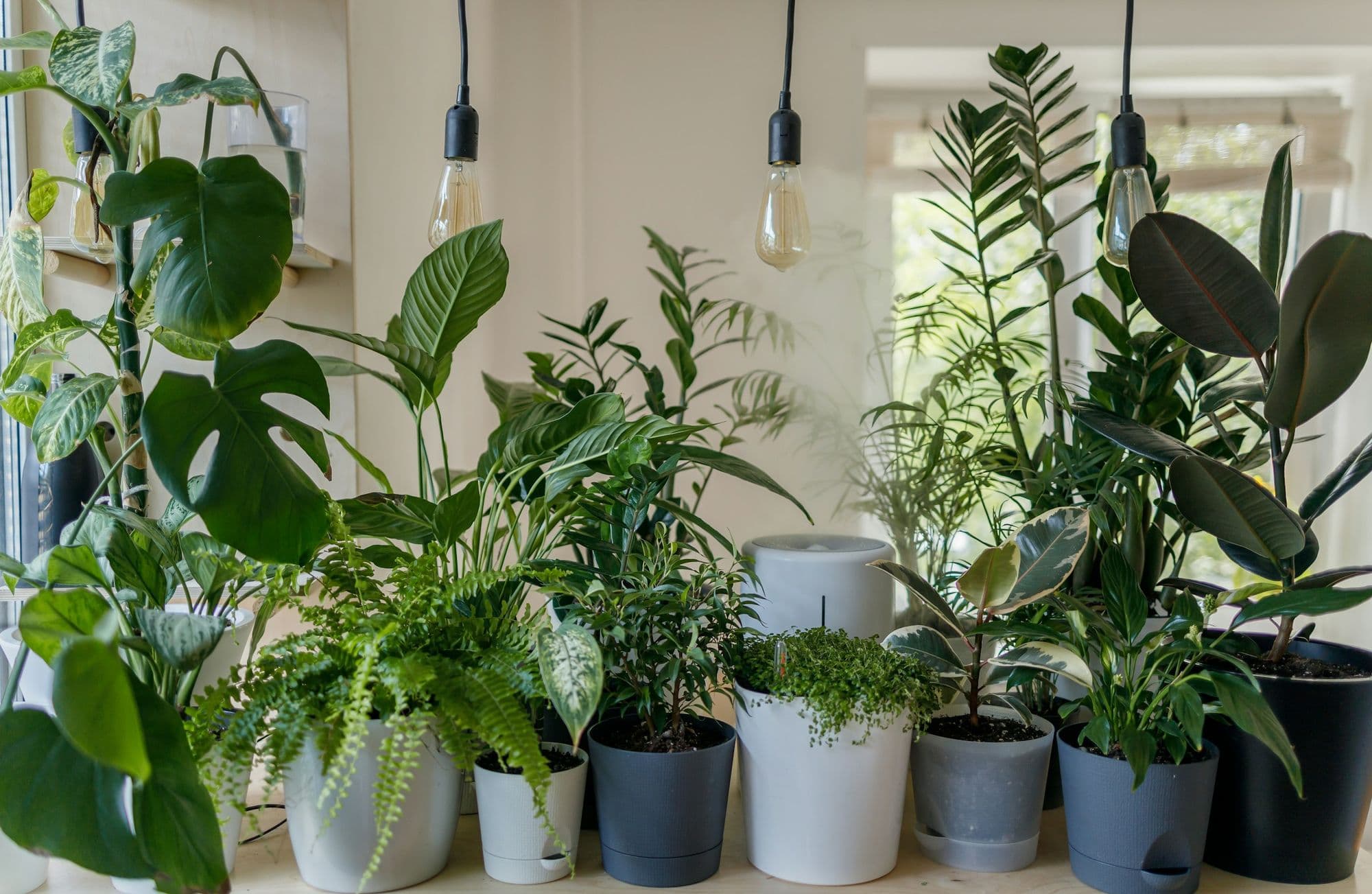
Watering by feel kills plenty of houseplants. A moisture meter checks the soil for you, and takes the guesswork out of it. This guide will show you how to use it correctly, from the first touch to the final reading.

Beginner Guides
How to Use a Moisture Meter for Plants
Top 15 Plants That Don’t Need Sunlight

8 min read · 17 Sept 2026

Top 15 Plants That Don’t Need Sunlight

Some plants thrive in dim rooms, shaded corners, and places with indirect light. In this guide, you’ll explore the top 15 species best suited to low-light conditions and how to care for them.

Plant Recommendations
Top 15 Plants That Don’t Need Sunlight
How To Revive a Dying Plant: 6 Steps To Bring A Plant Back To Life

6 min read · 1 Sept 2026

How To Revive a Dying Plant: 6 Steps To Bring A Plant Back To Life

Drooping leaves and brown tips don't always mean the end, and a weakened plant can often recover with a little help. These six simple steps will help you revive a dying plant and restore its health.

Plant Care
How To Revive a Dying Plant: 6 Steps To Bring A Plant Back To Life