Top 15 Fast-Growing Trees For Your Garden
Learn which of the 15 fastest-growing trees will suit your area. We’ll share detailed information on each: growth rate, mature spread, key tree demands, and main vulnerabilities. Read on and make the best choice possible.

On this page
- Best Fast-Growing Privacy Trees
- 1. Japanese Cedar
- 2. Wax Myrtle
- 3. Nellie Stevens Holly
- 4. Norway Spruce
- 5. Hybrid Willow ‘Austree’
- Best Fast-Growing Shade Trees
- 1. American Sycamore
- 2. Tulip Tree
- 3. Autumn Blaze Maple
- 4. Northern Red Oak
- 5. London Plane Tree
- Best Fast-Growing Evergreen Trees
- 1. Thuja 'Green Giant'
- 2. Leyland Cypress
- 3. Murray Cypress
- 4. Italian Cypress
- 5. Eastern White Pine
- Choosing the Right Tree For Your Garden
Fast-growing trees can turn your property into a fully private, wind-free, and shady space. We’ve already selected the 15 best options — Japanese Cedar, Nellie Stevens Holly, Murray Cypress, and more — all growing at least 2 feet (60 cm) per year.
Choose the best one, and you won’t have to wait decades for your garden gem or green fence to reach the necessary height.
Best Fast-Growing Privacy Trees
The fastest-growing trees can block sightlines in just 2-3 years, but speed isn’t the only factor to consider. You should also take into account foliage density, mature height/spread, and year-round screening.
We selected a mix of the 5 best fits: evergreen trees that don’t thin at eye level, broadleaf evergreen species, and some deciduous plants for those who aren’t into conifers. Read on to learn more about the trees and find the plant that is suitable for your property.
Tree | Category | Growth Rate | Key Fact |
Japanese Cedar | Evergreen conifer | 3-5 ft/yr | Blocks sightlines within 2-3 years, no maintenance |
Wax Myrtle | Broadleaf evergreen | 2-5 ft/yr | Can be grown as a shrub or full tree |
Nellie Stevens Holly | Broadleaf evergreen | 2-3 ft/yr | Grows without pruning |
Evergreen conifer | 2-3 ft/yr | Hardiest evergreen, grows in zone 2 | |
Hybrid Willow ‘Austree’ | Deciduous | 6-15 ft/yr | The fastest grower |

1. Japanese Cedar
If you’re looking for low-maintenance, fast-growing trees for privacy, consider Japanese cedar. This conifer has dense, green, feathery foliage with horizontally spreading branches. It’s also evergreen, which is perfect for privacy.
Japanese cedar isn’t vulnerable to serious diseases, leaf spot infections, or pests, and is tolerant of clay soil. But it needs a lot of moisture to thrive.
- Name: Japanese cedar, Cryptomeria 'Radicans', Cryptomeria japonica 'Radicans'
- Growth Rate: 3-5 feet (90-150 cm) per year
- Mature Height: 30-45 feet (9-14 meters)
- Mature Spread: 15-20 feet (4.5-6 meters)
- USDA Hardiness Zones: 5-9
- Sun Exposure: 6-8 hours of direct sun, tolerates partial shade
2. Wax Myrtle
Wax myrtle can be classified both as a broadleaf evergreen shrub and a tree. It’s highly manageable, so you can grow it the way you like through simple pruning. The plant has narrow, olive-green leaves that create a dense privacy screen and produce gray-blue berries (if you have both male and female plants).
It is tolerant of both excessive moisture and lack of it, has a nitrogen-fixing root system, and aromatic foliage that repels insects. But it’s also flammable and cold-intolerant.
- Name: Southern Wax Myrtle, Southern Bayberry, Candleberry, Morella cerifera
- Growth Rate: 2-5 feet (60-150 cm) per year
- Mature Height: 15-25 feet (4.5-7.5 meters)
- Mature Spread: 10-20 feet (3-6 meters)
- USDA Hardiness Zones: 6-9
- Sun Exposure: 4-8 hours of direct sun, tolerates partial shade
3. Nellie Stevens Holly
Nellie Stevens Holly is another broadleaf evergreen that can be grown both as a shrub and a fast-growing tree. Being a hybrid of Chinese holly and English holly, it has wide, flat, and shiny leaves, small white flowers in spring, and berries in late summer.
It requires no pruning and doesn’t overwhelm the house. However, its berries and leaves are toxic to children and pets, while flowers attract many bees.
- Name: Nellie Stevens Holly, Ilex 'Nellie R. Stevens'
- Growth Rate: 2-3 feet (60-90 cm) per year
- Mature Height: 15-25 feet (4.5-7.5 meters)
- Mature Spread: 10-15 feet (3-5 meters)
- USDA Hardiness Zones: 6-9
- Sun Exposure: 4-8 hours of direct sun, likes partial shade
4. Norway Spruce
Norway Spruce is a European native species, but it’s also common in North America. The main reasons are its long lifespan (up to 150 years, but typically 60-80 years in urban areas), rich color, sweet scent of needles, and wind-protection properties.
Norway Spruce is also incredibly cold-resistant. However, the tree needs well-drained soil and doesn’t tolerate excessive moisture that can lead to root rot.
- Name: Norway Spruce, Picea abies
- Growth Rate: 2-3 feet (60-90 cm) per year
- Mature Height: 40-60 feet (12-18 meters)
- Mature Spread: 25-30 feet (7-10 meters)
- USDA Hardiness Zones: 2-7
- Sun Exposure: 6-8 hours of direct sun, tolerates partial shade
5. Hybrid Willow ‘Austree’
This tree is a cross between the Corkscrew Willow and the White Willow. It’s the fastest-growing tree on our list, capable of reaching 15 feet within just a year. The tree is a great privacy screen and windbreak, and is compatible with most soil types, including sand and clay.
But all these benefits come with a cost. It has a lifespan of only 15 years and very invasive roots, which is why it is best suited to rural and agricultural areas. It also loses its leaves in late November.
- Name: Hybrid Willow ‘Austree’, Salix matsudana x Salix alba
- Growth Rate: 6-15 feet (1.8-4.5 meters)
- Mature Height: 50-70 feet (15-21 meters)
- Mature Spread: 15-30 feet (4.5-9 meters)
- USDA Hardiness Zones: 4-9
- Sun Exposure: 4-6 hours of direct sun, likes partial shade


Keep Plants Thriving
Get simple care guidance tailored to each plant’s needs in the app
Best Fast-Growing Shade Trees
Trees that grow fast can provide not only privacy but also shade, and in this case, canopy spread and density are the top priorities.
Tree | Category | Growth Rate | Key Fact |
American Sycamore | Deciduous | 2-6 ft/yr | Largest canopy up to 80 ft wide |
Tulip Tree | Deciduous | 2-3 ft/yr | Beautiful ornamental tree |
Autumn Blaze Maple | Deciduous | 3-5 ft/yr | Gives dense shade in first 2 years |
Deciduous | 2 ft/yr | Dense shade, lives for centuries | |
London Plane Tree | Deciduous | 1-2 ft/yr | Bred specifically for urban pollution |
1. American Sycamore
American Sycamore is native to the eastern United States and provides unmatched shade wherever it appears. Even the youngest trees can quickly establish a large canopy.
This tree can also live for centuries and has beautiful bark and bright green leaves. However, it sheds leaves, seed balls (which cause respiratory distress), and bark, making the space messy. Plus, it's just too large for most properties and has very aggressive roots.
- Name: American Sycamore, Platanus occidentalis
- Growth Rate: 2-6 feet (60-180 cm) per year
- Mature Height: 75-100 feet (22-30 meters)
- Mature Spread: 40-80 feet (12-24 meters)
- USDA Hardiness Zones: 4-9
- Sun Exposure: 6-8 hours of direct sun, tolerates partial shade
2. Tulip Tree
Tulip tree belongs to the Magnolia family, and it’s one of the most beautiful fast-growing deciduous trees. It stands out for its large 2-3-inch tulip-like flowers that bloom from late spring to mid-summer.
The tree is low-maintenance and can live for centuries. However, it shouldn’t be placed near the house foundation because of the aggressive root system. Also, it is dangerous for people with pollen allergies.
- Name: Tulip Tree, Liriodendron tulipifera
- Growth Rate: 2-3 feet (60-90 cm) per year
- Mature Height: 70-90 feet (21-27 meters)
- Mature Spread: 30-40 feet (9-12 meters)
- USDA Hardiness Zones: 4-9
- Sun Exposure: 6-8 hours of direct sun, tolerates partial shade
3. Autumn Blaze Maple
This is another hybrid on the list. It was created by crossing the Red Maple and the Silver Maple. The tree produces very few seeds, grows very quickly, looks especially beautiful in the fall, and provides dense shade even when young.
However, its lifespan is only around 40 years. It’s also toxic to horses and needs structural pruning every 3-5 years.
- Name: Autumn Blaze Maple, Acer × freemanii 'Jeffersred'
- Growth Rate: 3-5 feet (90-150 cm) per year
- Mature Height: 40-55 feet (12-17 meters)
- Mature Spread: 30-40 feet (9-12 meters)
- USDA Hardiness Zones: 3-8
- Sun Exposure: 6-8 hours of direct sun, tolerates partial shade
4. Northern Red Oak
Northern Red Oak is large, fast-growing, and an excellent shade producer. Its lifespan exceeds 150 years. The foliage is dense and deep green during spring and summer. In autumn, it turns from deep green to bright red.
However, it can be toxic to horses, cattle, and other livestock. Also, Red Oak is vulnerable to oak wilt and can grow too large, causing serious foundation damage.
- Name: Northern Red Oak, Quercus rubra
- Growth Rate: 2 feet (60 cm) per year
- Mature Height: 60-75 feet (18-23 meters)
- Mature Spread: 50-75 feet (15-22 meters)
- USDA Hardiness Zones: 4-8
- Sun Exposure: 6-8 hours of direct sun, tolerates partial shade
5. London Plane Tree
This plant is a hybrid of the American Sycamore and the Oriental Plane. It’s fast-growing and tolerant of all kinds of pollution. The tree has large, maple-like green leaves that turn yellow in the autumn and can provide dense shade.
However, like most deciduous giants, it has an aggressive root system and is quite messy overall. Its seed balls can cause respiratory irritation and provoke allergic reactions, too.
- Name: London Plane Tree, Platanus × hispanica, Platanus × acerifolia
- Growth Rate: 1-2 feet (30-60 cm) per year
- Mature Height: 70-100 feet (21-30 meters)
- Mature Spread: 60-75 feet (18-22 meters)
- USDA Hardiness Zones: 4-9
- Sun Exposure: 6-8 hours of direct sun, tolerates partial shade

Best Fast-Growing Evergreen Trees
There are many quick-growing trees among evergreen conifers. We mentioned a few before, but if you need more options, take a look at the five plants below. Each of them grows up to 3 feet per year on average, has dense foliage, and offers other important benefits.
Tree | Category | Growth Rate | Key Fact |
Thuja 'Green Giant' | Evergreen conifer | 3-4 ft/yr | Both disease & climate resistance |
Leyland Cypress | Evergreen conifer | 3-4 ft/yr | Handles coastal salt air & soil perfectly |
Murray Cypress | Evergreen conifer | 3-4 ft/yr | Stronger and more climate-resistant than Leyland |
Italian Cypress | Evergreen conifer | 1-3 ft/yr | Narrow tree, very elegant |
Evergreen conifer | 2-3 ft/yr | Native non-hybrid, very long lifespan |
1. Thuja 'Green Giant'
It is a dense-green hybrid of the western redcedar and Japanese arborvitae — one of the most resilient, low-maintenance, and fast-growing evergreen trees. It thrives in direct sun or part shade, needs well-drained soil, and should be planted 5-6 feet away from other trees.
Green Giant is resistant to most diseases and temperature changes, and is compatible with most soil types. However, if the soil is poorly drained, the tree might suffer from pests (specifically bagworms) or root rot.
- Name: Thuja standishii × plicata
- Growth Rate: 3-4 feet (90-120 cm) per year
- Mature Height: 40-60 feet (12-18 meters)
- Mature Spread: 12-18 feet (3.6-5.4 meters)
- USDA Hardiness Zones: 5-9
- Sun Exposure: 6-8 hours of direct sun, tolerates partial shade
2. Leyland Cypress
Leyland is also a hybrid between the Nootka cypress and Monterey cypress. It grows very large, so it’s better suited to larger areas. The tree has feathery and rich-green needles that release a soft fragrance when broken.
Leyland cypress is tolerant of moderate soil salinity. This makes it perfect for roadsides or coastal areas, but it’s vulnerable to fungal infections that may arise from poor environmental conditions and are incurable.
- Name: Leyland Cypress, Cupressocyparis leylandii
- Growth Rate: 3-4 feet (90-120 cm) per year
- Mature Height: 40-70 feet (12-21 meters)
- Mature Spread: 12-20 feet (3-6 meters)
- USDA Hardiness Zones: 6-10
- Sun Exposure: 6-8 hours of direct sun, tolerates partial shade
3. Murray Cypress
This is a Leyland cultivar and can be considered an upgraded version. In particular, ‘Murray’ has stronger and wider branches and is more resistant to cold and drought.
Overall, Murray lives for about 50 years, has bright green foliage, and needs minimal watering once its roots are established. However, it needs to be placed carefully, away from building structures and other large plants.
- Name: Murray Cypress, Cupressocyparis leylandii 'Murray'
- Growth Rate: 3-4 feet (90-120 cm) per year
- Mature Height: 30-40 feet (9-12 meters)
- Mature Spread: 6-15 feet (2-4.5 meters)
- USDA Hardiness Zones: 6-10
- Sun Exposure: 6-8 hours of direct sun, tolerates partial shade
4. Italian Cypress
Italian cypress is a very elegant, tall, and slender evergreen conifer. It does not grow as fast as some other species on our list. But its lifespan is over 100 years, and its dark green foliage is dense enough to shield you from the sun and unwanted attention when the trees are planted close together.
It also has not-so-invasive roots and can easily tolerate drought once established. But consider that it also gets very tall and is vulnerable to fungal infections and spider mites.
- Name: Italian Cypress (Mediterranean Cypress, Tuscan Cypress), Cupressus sempervirens
- Growth Rate: 1-3 feet (30-90 cm) per year
- Mature Height: 40-60 feet (12-18 meters)
- Mature Spread: 3-6 feet (1-2 meters)
- USDA Hardiness Zones: 7-10
- Sun Exposure: 6-8 hours of direct sun, tolerates partial shade
5. Eastern White Pine
This tree is not a hybrid. It’s native to North America and is known as one of the fastest-growing, longest-lived, and tallest trees that can reach 80 feet (25 meters) in urban areas.
Eastern White Pine lives for up to 200 years, fits large areas, and has long, bluish-green needles. It provides ample privacy and protects property from the wind. However, it also drops needles annually, is highly flammable, and is vulnerable to root rot, fungal diseases, and white pine weevils.
- Name: Eastern White Pine, Pinus strobus
- Growth Rate: 2-3 feet (60-90 cm) per year
- Mature Height: 50-80 feet (15-25 meters)
- Mature Spread: 15-25 feet (4.5-7.5 meters)
- USDA Hardiness Zones: 3-8
- Sun Exposure: 6-8 hours of direct sun, tolerates partial shade when young
Choosing the Right Tree For Your Garden
Before you go to the store to get some new seedlings, consider a few key criteria:
- Your main priority. Ask yourself what the main reason is to plant those trees. If it’s privacy, you need evergreens. If it’s shade, deciduous trees will be the best.
- The climate zone. Check your hardiness zone to see whether the tree will grow in your area. If you’re outside the USA, use local sources to see if the tree will survive your climate.
- The size of your property. Many fast-growing trees have invasive roots. Verify such trees will fit your area.
- The lifespan. Not all large trees live for centuries. Review the lifespan and ensure it matches your expectations.
- Allergy & toxicity risks. Look up the worst trees for allergies. Also, check if the species is toxic for pets or humans.
- The level of mess you tolerate. Deciduous, flowering trees, and trees with seed balls leave a mess and may require your year-round effort.
- Aesthetics & fragrance. Ask yourself whether you’d prefer a beautiful red tree in autumn or an evergreen privacy screen. Also, decide whether you can enjoy, or at least tolerate, strong fragrances, and choose a tree accordingly.
If you liked a tree in someone else’s garden or in your local area, research it first. You can identify a tree in seconds with Botan, and learn all its watering and lighting requirements, special demands, and features.
Just identify your tree or use the on-app search to get detailed plant care plans after you make your choice. Also, you can set reminders, use the Diagnosis feature to treat diseases, and get advanced environmental tips.

FAQ
These are Moluccan Albizia, Paulownia, and Eucalyptus grandis, but they are also too large and highly invasive. Among more common species, Hybrid Willow 'Austree', Autumn Blaze Maple, and Thuja 'Green Giant' are the fastest-growing ones.
Dariia Plaksina
Botanist
5 years of botanical research experience
Dariia Plaksina is a biologist, botanist, and writer of informational articles with over 5 years of experience exploring the world of plants, nature, and biology. She studied at Taras Shevchenko National University of Kyiv, Educational and Scientific Center “Institute of Biology and Medicine,” where she built a strong scientific foundation for her future work.
For Dariia, writing is a hobby, a calling, and a way to make reliable knowledge easier to understand. Her articles focus on plant care, plant health, and natural processes, helping readers learn more about the living world through clear, accessible, and science-based explanations.
Related Articles
5 min read · 11 Sept 2026
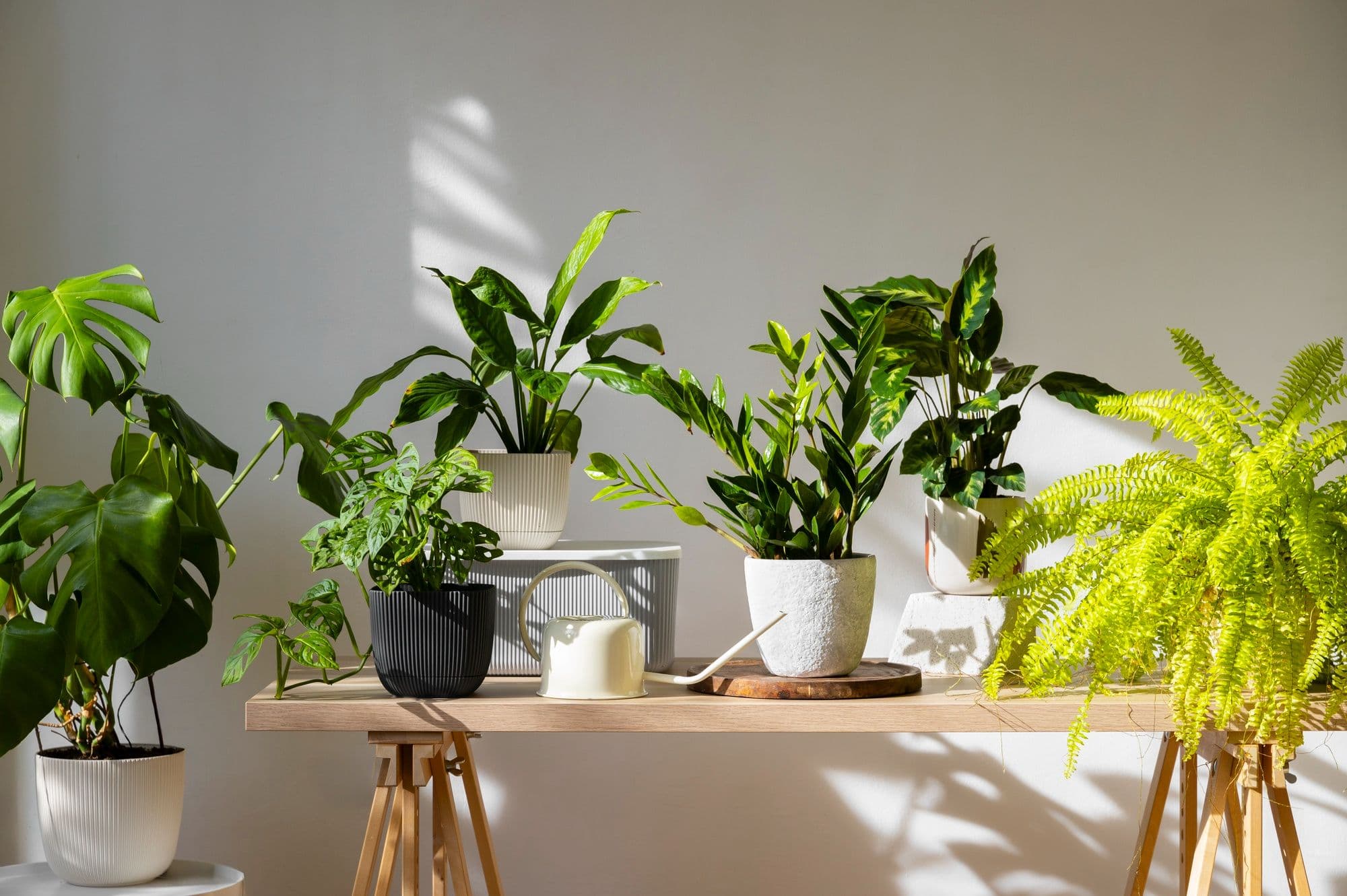
Top 5 Best Indoor Plants for Air Quality
Indoor plants can make a room feel fresher thanks to their air-purifying qualities. Here are 5 of the most suitable choices for your routine and living space.

6 min read · 8 Sept 2026
Frozen vs Fresh Vegetable Nutrients: Which Option Is Healthier?
Frozen and fresh vegetables are nutritionally comparable: frozen produce often retains vitamins just as well as fresh and may sometimes contain more. Here’s how blanching and storage affect nutrients—and when to choose each.
10 min read · 25 Aug 2026
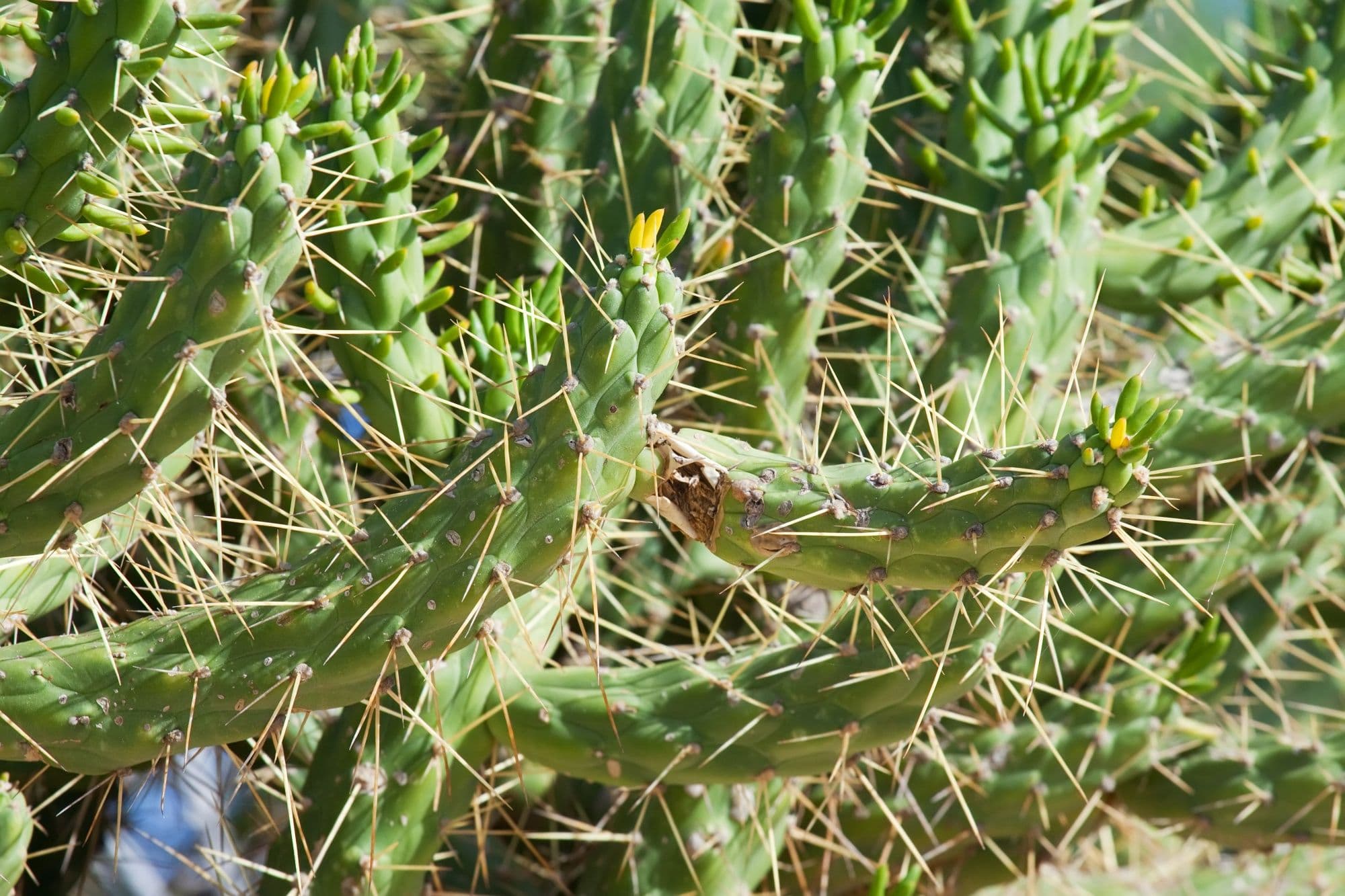
Thorny Plants: A Comprehensive Guide
Many plants defend themselves with sharp thorns. This guide explores over 20 examples among flowers, shrubs, trees, and vines. You'll learn what each plant looks like, why it grows thorns, and how to quickly identify them.
Explore Plants by Care Needs
Identify the plant and problem. Help your plant recover
Identify plant problems early, understand what's wrong, and get clear care guidance. Botan helps you turn guesswork into confident plant care