Bald cypress Care (Taxodium distichum)

Also known as: Swamp Cypress, deciduous cypress, sabino tree
Bald cypress

About Bald cypress

Bald cypress, Taxodium distichum, is a long-lived deciduous conifer native to wetlands and riverbanks in the southeastern United States. It is often seen in swamps with its trunk flaring at the base and woody root structures, called knees, rising from the water or soil.

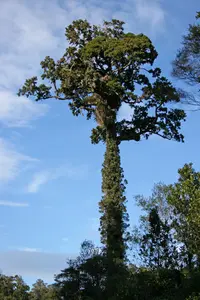
In suitable conditions it grows into a tall, straight tree with soft, feathery foliage that turns orange-brown before dropping in fall. The species adapts better than many wetland trees to periodically dry soils, but still prefers consistent moisture and full sun.

Because it tolerates seasonal flooding, wind, and urban air, it can be a durable landscape tree. Understanding how to care for Bald cypress mainly involves providing enough light, space, and moisture-retentive but not compacted soil.

Main Plant Requirements

Care Difficulty

Moderate Care

Light Preference

Full Sun

Water Requirements

Aquatic

Temperature Preference

Cold Hardy

Hardiness Zone

4–9

Soil Texture

Sandy, Loamy, Clay

Soil pH

Acidic (5.5–6.5), Slightly acidic (6.5–7.0)

Soil Drainage

Waterlogged tolerant

Fertilization

Minimal (feed rarely)

Get Personalized Care Plan

Scan your plant to receive care tips personalized for your specific plant

Available on iOS and Android

How to Care for the Bald cypress

This deciduous conifer thrives in full sun but adapts to some shade, especially in hotter regions.

  • Provide 6–8 hours of direct sun daily for best growth and strong branching in Bald cypress.
  • Tolerates light or dappled shade, especially during intense afternoon sun, but dense shade leads to thinner crowns and slower growth.
  • In cooler climates, full sun all day is ideal; in hotter areas, aim for morning sun with light afternoon shade to reduce leaf scorch on young trees.

This species is naturally adapted to wet sites yet can perform well in average garden moisture when established.

  • In the ground, aim for consistently moist soil; allow only the top 2–5 cm to dry slightly on well-drained sites before watering again during the first 2–3 years.
  • In boggy or pond-edge locations, Taxodium distichum tolerates standing water, but roots still benefit from some oxygen, so avoid stagnant, foul-smelling conditions.
  • Watch foliage for cues: browning tips and premature shedding suggest drought stress, while yellowing, limp needles in non-soggy soil can indicate root damage or chronic overwatering.

This hardy conifer handles a wide climate range, from humid subtropical to temperate regions with cold winters.

  • Optimal active growth occurs around 70–90°F (21–32°C), with strong shoot extension and dense foliage in warm, frost-free months.
  • Mature trees tolerate winter lows near -20°F (-29°C), but young plants benefit from protection from severe freezes and drying winter winds.
  • Handles summer heat up to about 100°F (38°C) if soil stays moist; extended extreme heat with dry soil increases stress and may cause needle browning and tip dieback.

Humidity is rarely a limiting factor for this species, which adapts well to a wide range of outdoor conditions.

Taxodium distichum prefers consistently moist, deep, structured soil that does not stay stagnant or anaerobic for long periods.

  • Use a loamy or sandy-loam soil rich in organic matter to hold moisture yet still allow air movement around roots.
  • Aim for slightly acidic to neutral pH around 6.0–7.0, avoiding strongly alkaline or saline conditions that restrict nutrient uptake.
  • Blend compost with coarse sand or fine pine bark to improve structure, water retention, and root penetration, especially in lighter soils.
  • Avoid compacted clay that remains waterlogged without oxygen; improve such sites with organic matter and raised planting areas to enhance drainage.

This species can be grown in containers when young, but it demands large, heavy pots and careful moisture management.

  • Choose a deep, wide container to accommodate the developing taproot and spreading lateral roots without severe restriction early on.
  • Use a heavy, stable pot material such as ceramic or thick plastic to prevent tipping as the trunk thickens and canopy gains weight.
  • Combine a moisture-retentive mix with ample drainage and elevate the pot on feet so excess water clears quickly after heavy watering or rain.

Taxodium distichum is adaptable and often needs only modest fertilization on typical garden soils.

  • Use a balanced slow-release fertilizer (around 10-10-10) or well-rotted compost once in early spring for young or container-grown Bald cypress.
  • Apply at 1/2 label strength for container plants to avoid salt buildup and root burn.
  • On established in-ground trees, repeat light feeding only if growth is weak or foliage is pale, not every year.
  • Stop feeding by late summer and avoid fertilization during fall and winter dormancy.

Taxodium distichum benefits from light, periodic pruning to maintain structure and safety.

  • Schedule main pruning in late winter to very early spring before new growth starts.
  • Remove dead, diseased, storm-damaged, or rubbing branches first to reduce stress and infection risk.
  • Thin crowded interior branches slightly if needed to improve airflow and maintain a strong central leader.
  • Use sharp bypass pruners or a clean pruning saw, making small, angled cuts just outside the branch collar.

Transplanting is more common than repotting for Taxodium distichum, which usually grows outdoors as a landscape tree.

  • Plan major transplanting for late winter or very early spring while the tree is dormant.
  • Move young trees every 2–3 years if roots circle the planting hole, growth slows, or the root ball becomes dense.
  • Dig wide around the root zone, keeping as much soil as possible attached to reduce root disturbance.
  • Replant at the same depth, water deeply, then mulch 5–8 cm to limit moisture loss and temperature swings.

Taxodium distichum can be propagated by seed or semi-hardwood cuttings under controlled conditions.

  • Collect mature cones in fall, extract seeds, and provide 1–3 months of cold stratification at about 34–41°F for better germination.
  • Sow stratified seeds in a moist, free-draining mix, keeping temperatures around 68–75°F and the surface consistently damp.
  • Take semi-hardwood cuttings in midsummer, 10–15 cm long, and use a rooting hormone to improve root initiation.
  • Place cuttings in high humidity with bright, indirect light and bottom warmth if available, then pot on once roots are firm.

Taxodium distichum is cold hardy in much of the US and usually needs minimal winter care once established.

  • Expect foliage to turn brown and drop in fall; this is normal for this deciduous conifer.
  • Apply 5–8 cm of mulch around the root zone of young trees to buffer freeze–thaw cycles.
  • In very cold or exposed sites, shelter young trunks with a breathable wrap to limit sunscald and cracking.
  • Move container-grown specimens into a sheltered, frost-free but cool location where the root ball does not freeze solid.

Care Tips

Encourage Strong Rooting

During the first 2–3 years, maintain a wide, grass-free ring of mulch 5–10 cm deep around the base to reduce competition and promote deep root establishment, keeping mulch 5–8 cm away from the trunk to prevent rot.

Plan For Mature Size

Before planting, map out underground utilities, septic systems, and hardscape, and site the tree at least 6–8 m from buildings or paved areas, as the extensive root system and potential knee formation can disrupt structures over time.

Manage Cypress Knees

In lawns or near paths where knees are undesirable, install a clear root-free buffer by planting the tree closer to open water or naturalized areas, and avoid shallow trenching or cutting knees, which can stress the tree and lead to decay.

Support In Windy Sites

In exposed locations, use 2–3 low, flexible stakes with soft ties for the first 1–2 years only, allowing slight trunk movement so the tree develops strong taper and wind resistance before removing all staking hardware.

Seasonal Flooding Strategy

When planting in sites that flood seasonally, establish the tree slightly upslope or on a low mound so young roots are not submerged for long periods in the first 1–2 years, then allow natural flooding later, which is beneficial for growing Bald cypress in its mature phase.

Common Pests and Diseases

Bagworms

This pest creates spindle-shaped silk bags covered with bits of foliage and bark that hang from twigs and can strip branches of leaves. Symptoms include thinning foliage and brown, defoliated branch tips, especially on younger trees.

Solution

Hand-pick and destroy bags during fall, winter, or very early spring before larvae emerge, focusing on lower and accessible branches. For heavy infestations on smaller trees, use a Bacillus thuringiensis (Bt) or spinosad spray in late spring when larvae are small, and keep the tree healthy with adequate water to support recovery from defoliation.

Cypress twig gall midge

This pest causes small, rounded, cone-like galls on young twigs, which can lead to dieback of affected branch tips. Symptoms include clusters of woody galls and sparse foliage on outer branches.

Solution

Prune out and dispose of infested twigs with galls during late winter or early spring before adult midges emerge, and disinfect tools between cuts. For high-value specimen trees, local arborists may time targeted systemic or contact insecticide applications to adult emergence based on regional extension service recommendations.

Bald cypress rust

This disease produces yellow to orange leaf spots and can cause premature needle drop, especially in warm, humid conditions. Symptoms include scattered discolored needles and thin foliage on affected branches.

Solution

Rake and remove fallen needles to reduce fungal spores, and avoid overhead irrigation that keeps foliage wet for long periods. In areas with repeated severe rust problems, consult a local arborist about timing preventative fungicide sprays in spring, and favor good spacing and air circulation around the tree to speed drying after rain.

Needle blight

This disease leads to browning and death of needles, often starting in the inner canopy and moving outward, sometimes giving the tree a scorched look. Symptoms include tan to brown needles that may stay attached and a gradual thinning of the crown.

Solution

Prune out dead or heavily affected branches during dry weather and remove fallen needles from around the base. Improve air movement by avoiding dense plantings around the trunk, adjust irrigation to keep soil evenly moist but not waterlogged, and in severe recurring cases an arborist may apply a labeled fungicide in early spring to protect new growth.

Spider mites

These insects are tiny sap-feeders that cause fine stippling, bronzing, and premature shedding of needles, especially during hot, dry weather. This pest may also produce fine webbing on inner branches when populations are high.

Solution

Spray foliage thoroughly with a strong stream of water, especially undersides of leaflets, 1–2 times per week during outbreaks to knock mites off the tree. If damage remains significant, use a horticultural oil or insecticidal soap labeled for mites during cooler parts of the day, and reduce plant stress with consistent soil moisture to make the tree less vulnerable to mite buildup.

Interesting Facts

Deciduous conifer foliage

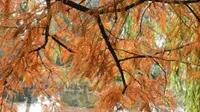
This species is a conifer that sheds all its needles in fall, turning rich orange‑brown before dropping, which is unusual among cone‑bearing trees that typically stay evergreen.

Pneumatophore root structures

In flooded or poorly drained sites the roots often form vertical structures called pneumatophores or knees, which help stabilize the tree and may assist with gas exchange in low‑oxygen soils.

Freshwater swamp specialist

The species is naturally dominant in freshwater swamps and floodplains of the southeastern United States, where it tolerates long periods of standing water that would kill many other tree species.
Botan icon

Did you know?

Individual bald cypress trees can live for more than 1,000 years, and some documented specimens in the southeastern United States rank among the oldest known living trees in North America.

FAQs about Bald cypress

Growth is usually moderate. Young trees often add 30–60 cm per year, sometimes more in warm, moist sites. Good moisture, full sun, and deep soil typically support faster growth, while compacted or very dry ground slows development.

Grow Healthy Plants with Botan Care

Keep your plants happy and healthy with plant identification, disease detection, and easy care guidance.


Botan plant care app — identify plants on mobile

Explore More Plants