
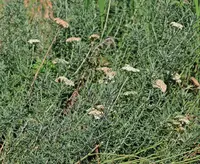

cannabis Identification (Cannabis sativa)

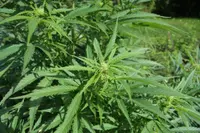
Recognize Cannabis sativa by its palmately compound leaves, with 5 to 9 narrow, sharply toothed leaflets radiating from one point, and by its upright, usually unbranched lower stem.

Plants are typically tall and slender, often several feet high, with opposite leaves low on the stem and alternate leaves higher up.

Cannabis sativa Identification

Identify a Plant by Photo

Not sure about your plant ID? Upload a photo and check it with Botan.

Clear images work best. Avoid photos taken too close or too far away

Use these quick checks to identify Cannabis sativa by eye.

  • Leaves are palmately divided, with 5-9 narrow, pointed leaflets radiating from one point.
  • Leaf edges are sharply serrated, and the middle leaflet is usually the longest.
  • Leaves occur in opposite pairs low on the stem, then alternate higher up.
  • Plants are upright with a single main stem and many side branches, often 3-10 feet (0.9-3 m) tall.
  • Flowers are small and greenish; female flowers cluster tightly near stems, while male flowers hang in looser branched clusters.

Check several leaves and the flower clusters together, since leaflet number can vary.

Cannabis sativa shows clear visual shifts from seedling leaves to flowering branch tips.

  • Seedling: Starts with a pair of narrow seed leaves, then simple true leaves appear before the familiar divided leaves develop.
  • Young plant: Leaves become palmately divided, often with 5 to 9 narrow leaflets, and stems lengthen quickly with increasingly obvious side branching.
  • Mature plant: The plant forms an upright, cane-like main stem with long internodes and a taller, more open framework than earlier stages.
  • Flowering stage: Branch tips and upper nodes carry tight flower clusters; female plants show paired white stigmas, while male plants bear small hanging pollen sacs.

In spring and early summer, cannabis shows fresh palmate leaves, often with narrow, sharply toothed leaflets. As day length shortens, flower clusters become the clearest seasonal clue. By late summer into fall, male plants show loose, dangling pollen clusters, while female plants develop denser flower clusters with many pale hairlike stigmas. After flowering, the annual plant declines and dies back rather than persisting as bare woody stems through winter.

A few unrelated plants can be mistaken for cannabis at a glance.

kenaf(Hibiscus cannabinus)

Often confused because young leaves can be deeply lobed and palmate. Kenaf leaves are usually single lobed blades, not separate leaflets, and the plant later shows large hibiscus-type flowers.

cassava(Manihot esculenta)

Its leaves are also palmately divided, which can suggest Cannabis sativa from a distance. Cassava has smooth-edged lobes joined at the center, while cannabis has separate, sharply toothed leaflets.

Japanese maple(Acer palmatum)

Cutleaf forms can suggest the same hand-shaped outline. Maple leaves are single leaves with lobes attached to one blade, and they grow on woody twigs rather than green herbaceous stems.

  • Ingestion risk: Flowers, leaves, and concentrated resin can intoxicate humans and pets if eaten. The concern is ingestion, especially by children and dogs.
  • Skin contact: Leaf and stem hairs can irritate skin in some people during handling. This is a contact risk, not a poisoning risk.

Does Your Plant Match?

Use Botan to compare a photo and help identify or confirm the plant before you label it incorrectly.

FAQ

Photograph the whole plant, then clear close-ups of the leaves and flowers. For cannabis plant identification, include the leaf arrangement and leaflet count, plus flower clusters at the stem nodes and shoot tips.

More Plant Identification Guides

Know What Plant You Have

Identify a plant from a photo with Botan, then review plant details, care information, and common problems for the matched species.

Botan app identifying a plant from a photo
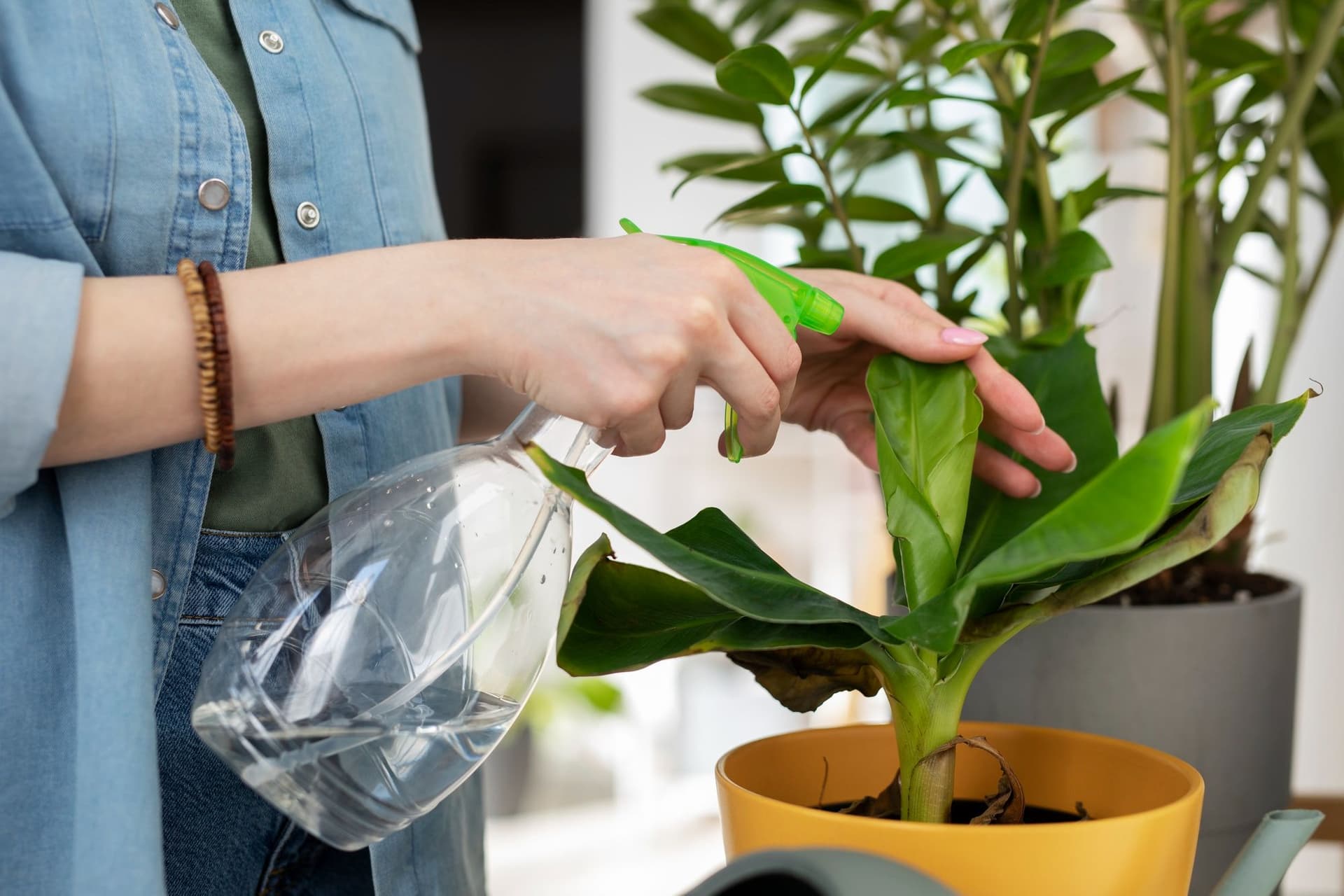
How to Mist Plants – Proper Technique and Common Mistakes

7 min read · 30 Jul 2026

How to Mist Plants – Proper Technique and Common Mistakes

Find out when misting works well and when to avoid it. Here, you’ll find detailed information about compatible and incompatible species, tips on how often to mist plants and do it correctly, and some great alternatives for raising humidity.

Beginner Guides
How to Mist Plants – Proper Technique and Common Mistakes
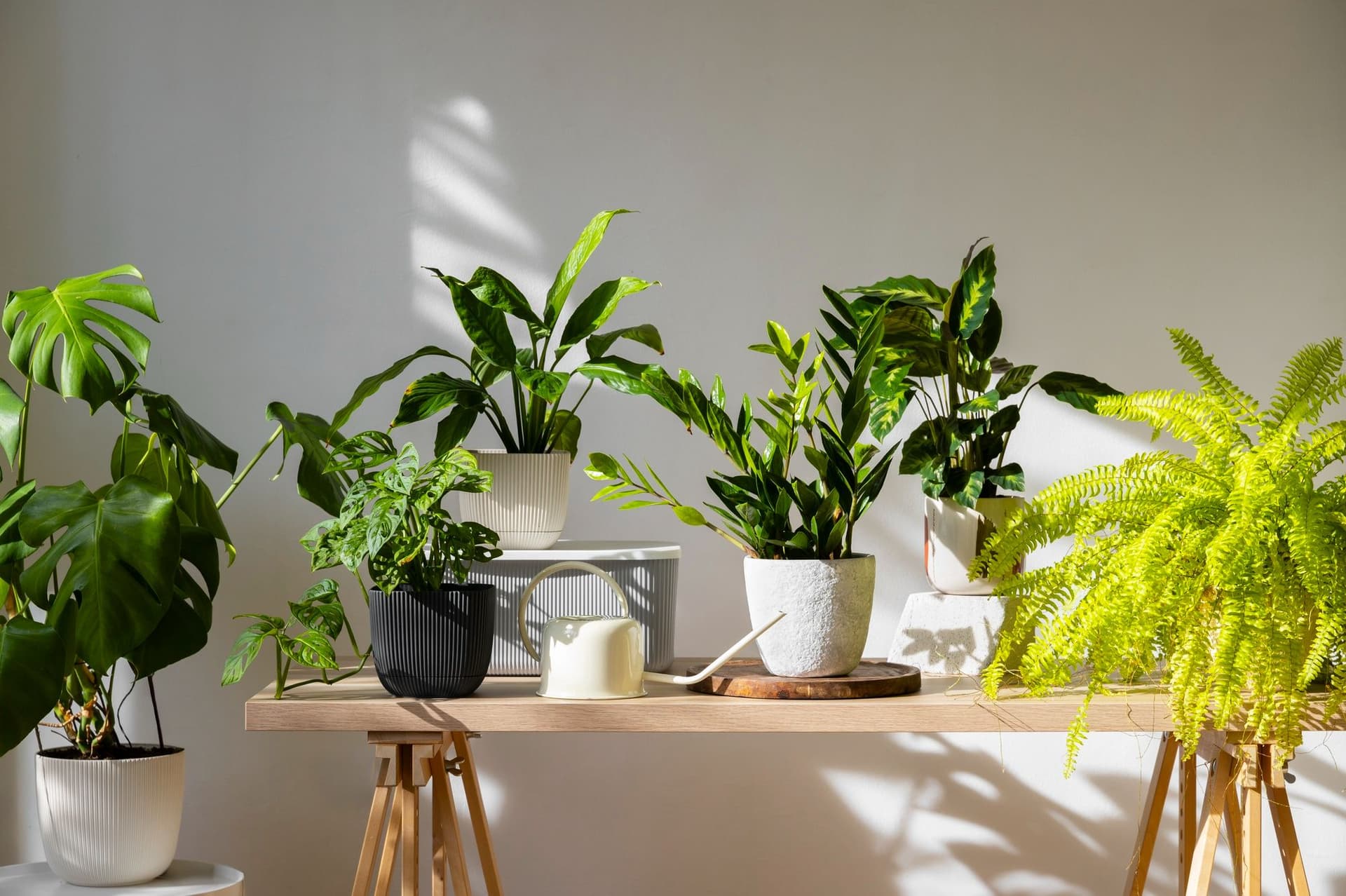
Top 5 Best Indoor Plants for Air Quality

5 min read · 11 Sept 2026

Top 5 Best Indoor Plants for Air Quality

Indoor plants can make a room feel fresher thanks to their air-purifying qualities. Here are 5 of the most suitable choices for your routine and living space.

Plant Recommendations
Top 5 Best Indoor Plants for Air Quality
How to Clean Plant Leaves: A Simple Care Guide

6 min read · 4 Aug 2026

How to Clean Plant Leaves: A Simple Care Guide

Dusty leaves look dull and don't absorb light well. Below, you'll find simple ways to clean them, which tools are truly effective, how often you should do it, and what causes damage.

Beginner Guides
How to Clean Plant Leaves: A Simple Care Guide