

Yarrow Identification (Achillea crithmifolia)

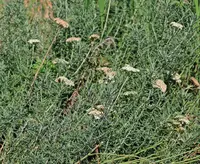
Recognize Achillea crithmifolia by its low, mat-forming habit, narrow finely divided leaves packed along upright stems, and flat-topped clusters of small white flower heads held above the foliage.

Plants usually stay compact, with fernlike leaves cut into threadlike segments and stems rising in short, even clumps.

Achillea crithmifolia Identification

Identify Your Plant with Botan

Take or upload a photo to confirm your plant ID with Botan.

Clear images work best. Avoid photos taken too close or too far away

Use these visible traits to check Achillea crithmifolia at a glance.

  • Forms a low, spreading clump rather than a tall upright plant.
  • Leaves are very finely divided into many narrow threadlike segments, giving a feathery outline.
  • Leaf blades are usually about 1-3 inches (2.5-7.5 cm) long and appear flat in overall shape.
  • Flower heads are small and packed into a broad, mostly flat-topped cluster above the foliage.
  • Each small flower head shows a yellow center with a few short white ray florets around the edge.

Check both the flat-topped flower cluster and the threadlike leaf divisions for the clearest match.

Achillea crithmifolia shows useful visual changes from early leafy growth to flowering stems.

  • Young plant: Early plants form a low basal tuft with narrow, deeply divided leaves; foliage stays close to the ground before upright stems appear.
  • Mature plant: Established clumps become denser and broader, sending up several slender, leafy stems and keeping the finely cut, threadlike leaf divisions typical of Yarrow.
  • Flowering stage: At flowering, stems rise to about 12-24 inches (30-60 cm), ending in flat-topped clusters of many small daisy-like heads above the leafy mound.

Achillea crithmifolia is most distinctive from late spring into summer, when flat-topped clusters of small yellow flower heads rise above its finely divided, fernlike leaves. Outside bloom, it usually appears as low, gray-green to green foliage. In colder periods, top growth may die back, leaving a much less showy clump or bare ground.

A few finely divided, mat-forming yarrows can be mistaken for this species.

common yarrow(Achillea millefolium)

Confusion starts with the ferny leaves and flat flower clusters. It is usually taller, often 1 to 3 feet (30 to 90 cm), not a low carpet. Its leaves are broader and more feather-divided than the narrower, more linear segments of Achillea crithmifolia.

woolly yarrow(Achillea tomentosa)

Both can make low mounds with yellow flower heads. Woolly yarrow has noticeably gray, felted foliage and a softer texture. It is also typically shorter, while A. crithmifolia stays greener and less hairy.

Achillea crithmifolia is native to southeastern Europe, with records from the Balkans and nearby parts of eastern Europe. It occurs in open, dry habitats such as steppe-like grassland, rocky slopes, and stony ground. That setting helps with identification because this species is more likely to be encountered in sunny, exposed inland sites than in woodland, wetlands, or coastal habitats. In range, habitat can help separate it from similar yarrow species that favor different grassland or montane settings.

Scan. Check. Confirm.

Use Botan to identify or verify a plant from a photo, helping avoid mix-ups with similar-looking species.

FAQ

This species is typically found in dry, open habitats such as grasslands, rocky slopes, and sunny disturbed ground. For Achillea crithmifolia identification, habitat helps because it is less associated with shaded, moist woodland settings.

More Plant Identification Guides

Identify It. Learn More About It.

Use Botan to identify a plant from a photo, then get plant details, care information, and common problems.

Botan app identifying a plant from a photo
12 Best Plants That Repel Spiders For Your Home and Garden

8 min read · 24 Jul 2026

12 Best Plants That Repel Spiders For Your Home and Garden

Spiders constantly appear in places you don't want them. A few common plants can help repel them using scent alone. Here are 12 options suitable for both indoors and outdoors, plus care tips for each.

Plant Recommendations
12 Best Plants That Repel Spiders For Your Home and Garden
How to Tell if a Plant Is Dead

6 min read · 19 Aug 2026

How to Tell if a Plant Is Dead

A plant can lose its leaves, stop growing, or collapse and still remain alive. A closer look at the stems, roots, bulbs, and tubers can show whether the plant still has a chance to recover.

Beginner Guides
How to Tell if a Plant Is Dead
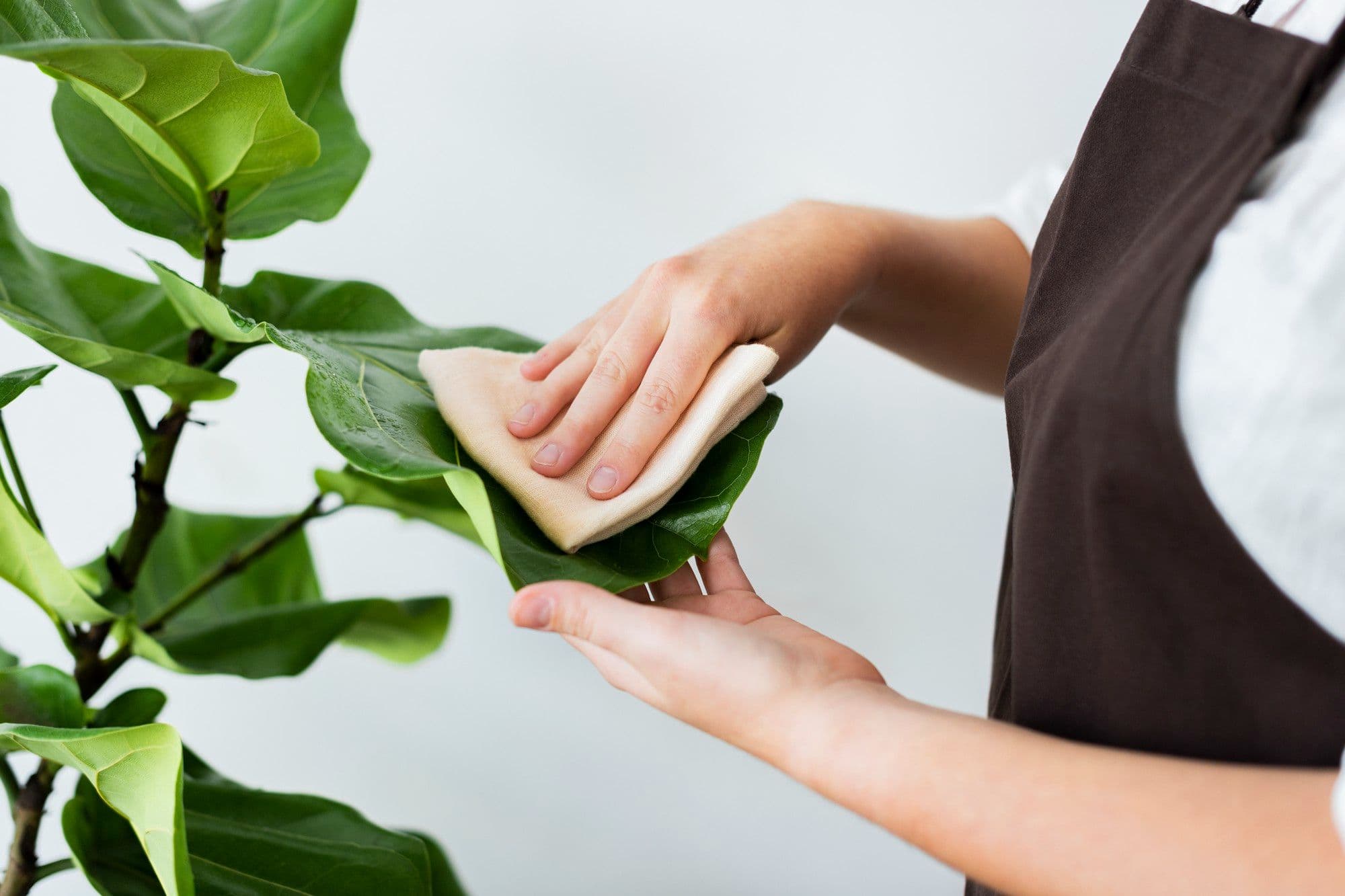
How to Clean Plant Leaves: A Simple Care Guide

6 min read · 4 Aug 2026

How to Clean Plant Leaves: A Simple Care Guide

Dusty leaves look dull and don't absorb light well. Below, you'll find simple ways to clean them, which tools are truly effective, how often you should do it, and what causes damage.

Beginner Guides
How to Clean Plant Leaves: A Simple Care Guide