Yarrow Care (Achillea crithmifolia)

Yarrow

About Yarrow

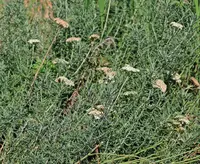
Achillea crithmifolia, often called yarrow, is a low-growing, mat-forming perennial herb. It spreads by creeping stems and creates a dense, fine-textured groundcover.

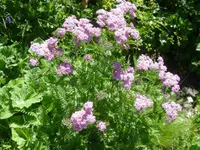
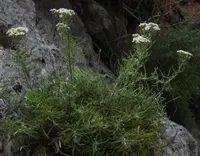
The plant has delicate, feathery, gray-green foliage and small, flat-topped flower clusters, usually white to pale yellow. Its compact habit makes it suitable for rock gardens, slopes, and spaces between paving stones.

This species is native to dry, open areas of southeastern Europe and western Asia, where it experiences poor soils and strong sun. As a result, it is drought tolerant, prefers full sun, and thrives in well-drained soil, which makes it relatively straightforward to care for Yarrow.

Main Plant Requirements

Care Difficulty

Easy Care

Light Preference

Full Sun

Water Requirements

Low Water

Temperature Preference

Cold Hardy

Hardiness Zone

4–9

Soil Texture

Sandy, Loamy, Rocky

Soil pH

Slightly acidic (6.5–7.0), Slightly alkaline (7.0–7.5)

Soil Drainage

Well-drained

Fertilization

Minimal (feed rarely)

Get Personalized Care Plan

Scan your plant to receive care tips personalized for your specific plant

Available on iOS and Android

How to Care for the Yarrow

This low-growing Yarrow thrives in bright, open sites with strong sun exposure.

  • Provide 6–8 hours of direct sun daily; full sun promotes compact growth and dense foliage mats.
  • Plant where it receives strong morning to mid-afternoon sun; light afternoon shade in very hot, dry regions reduces leaf scorching.
  • In partial shade (3–4 hours sun), plants stretch and flower less; avoid deep shade, which leads to weak, sparse growth and higher disease risk.

This drought-tolerant species prefers infrequent, deep watering in fast-draining soil.

  • Outdoors in the ground, water only when the top 5–7 cm of soil are completely dry and foliage looks slightly less turgid.
  • Use sharply drained, sandy or gravelly soil so water runs through within a few seconds; standing water around roots leads to rot and leaf yellowing.
  • During the first growing season of Achillea crithmifolia, water more often during hot, dry spells, then reduce watering once roots are well established.

This groundcover yarrow handles a wide temperature range once established.

  • Best active growth occurs around 60–80°F (16–27°C), with strong rooting and steady foliage spread in spring and early summer.
  • Mature plants tolerate winter lows near -20°F (-29°C) with snow cover; brief colder snaps may burn foliage but crowns usually survive.
  • In hot summers above 90°F (32°C), growth slows; maintain good soil drainage and avoid reflected heat from pavement to limit stress and browning.

This species handles low humidity well and rarely needs special moisture control in home or garden settings.

This drought-tolerant groundcover prefers lean, fast-draining soil that prevents waterlogging around its roots.

  • Use sandy or sandy-loam soil with at least 40–60% mineral grit such as coarse sand or fine gravel to keep the root zone open.
  • Ensure very sharp drainage; raised beds or mounded planting areas help excess water move away quickly, especially in wetter climates.
  • Aim for slightly alkaline to neutral pH around 6.5–7.5, avoiding strongly acidic mixes that can limit nutrient availability for Achillea crithmifolia.
  • Avoid rich, heavy, or peat-heavy mixes that stay wet, which encourages weak, floppy growth and increases the risk of root rot.

This species can grow in containers if the setup prioritizes strong drainage and a lean substrate.

  • Choose a wide, shallow pot that allows its creeping roots to spread horizontally while preventing deep, soggy zones in the mix.
  • Use a gritty blend with extra coarse sand, pumice, or small gravel so water passes through rapidly and the surface dries between irrigations.
  • Select unglazed clay or terracotta to increase evaporation from the sides of the pot, which helps keep the root system dry and compact.

This low-maintenance groundcover needs only modest feeding to stay healthy.

  • In average garden soil, use a light top-dressing of compost in early spring to support growing Yarrow without excessive lush growth.
  • In poorer or sandy soils, apply a balanced slow-release fertilizer (around 10-10-10) once in spring at half the label rate.
  • Avoid additional feeding in late summer and fall so growth can harden before cold weather.
  • Do not fertilize during winter dormancy; excess nutrients at this time can weaken new shoots.

Pruning helps Achillea crithmifolia stay compact, dense, and floriferous.

  • In late spring to early summer, deadhead spent flower stalks with clean hand pruners to encourage continued blooming.
  • Remove dead, damaged, or diseased stems whenever noticed to maintain airflow and reduce fungal issues.
  • Shear or trim back the foliage mat by up to one-third in late summer if it becomes untidy, encouraging fresh basal growth.
  • In early spring, lightly tidy winter-killed foliage, avoiding very hard cuts into healthy crowns.

This species is more often transplanted in the landscape than kept long-term in containers.

  • Transplant in early spring or early fall when temperatures are mild and soil is workable, avoiding midsummer heat.
  • Choose a sunny, very well-drained site; amend heavy clay with grit or coarse sand to prevent root rot.
  • Move plants only when clumps become crowded or growth declines, lifting with a fork to keep root mats as intact as possible.
  • Water thoroughly after transplanting, then reduce to light, infrequent watering once new growth resumes to limit transplant shock.

Achillea crithmifolia is commonly propagated to expand groundcover patches or renew older plantings.

  • Divide established clumps in early spring or early fall, replanting healthy sections with several shoots and roots attached.
  • Root non-flowering stem cuttings in late spring in a gritty, free-draining mix under bright, indirect light and moderate humidity.
  • Sow seeds in late winter to early spring on the soil surface; they need light to germinate evenly.
  • Keep propagation media slightly moist, not wet, and maintain good air movement to limit rot while new roots develop.

This groundcover yarrow is generally cold hardy and needs minimal winter care in most temperate climates.

  • In regions with freezing winters, allow foliage to die back naturally; it insulates crowns and protects buds.
  • In very cold or exposed sites, apply a light mulch layer (2–5 cm) around, not over, the crowns after the ground cools.
  • Container-grown plants can be moved to a sheltered, unheated area to avoid repeated freeze–thaw of the root ball.

Care Tips

Encourage Dense Mats

Lightly pinch or shear back long runners after flowering to encourage tighter, denser groundcover and reduce bare patches between plants.

Gravel Mulch Use

Apply a 1–2 cm layer of coarse gravel around plants to suppress weeds, keep foliage off wet soil, and mimic the dry, stony habitats this species prefers.

Improve Air Circulation

Space plants so foliage just touches at maturity and keep surrounding vegetation trimmed to reduce humidity around the leaves and lower the risk of mildew in humid summers.

Targeted Weed Control

Hand-weed carefully in the first year, then use a narrow-bladed hoe or knife to slice emerging weeds at soil level between mats without disturbing the shallow root system.

Drought Hardening Strategy

Once established, occasionally allow the soil to dry fully and extend intervals between deep waterings to harden the plants and maintain their natural drought tolerance while growing Yarrow.

Common Pests and Diseases

Powdery mildew

This disease appears as white, powdery patches on leaves and stems, especially in humid, stagnant air. Symptoms include distorted new growth and reduced flowering over time.

Solution

Improve air circulation by thinning crowded clumps and avoid overhead watering, especially late in the day. Remove and dispose of heavily infected foliage and, if needed, apply a sulfur or potassium bicarbonate fungicide labeled for ornamentals, following label directions carefully.

Botrytis blight

This disease causes soft, brown, water-soaked spots on leaves and flower heads that may develop gray, fuzzy mold in prolonged damp conditions. Symptoms include collapse of flower stems and rapid decline in appearance.

Solution

Remove and discard affected flower heads and foliage promptly and keep spent blooms deadheaded to reduce infection sites. Reduce overhead watering, increase spacing or air movement, and in persistent wet weather use a registered ornamental fungicide targeting Botrytis on newly emerging growth and flower stalks.

Aphids

These insects cluster on young shoots and flower stems, sucking sap and excreting sticky honeydew that can attract sooty mold. This pest can cause curling, yellowing, and distortion of new growth and reduced vigor.

Solution

Spray colonies off with a strong stream of water and pinch back heavily infested shoot tips. If needed, apply insecticidal soap or a light horticultural oil thoroughly to stems and undersides of leaves, repeating as label directions indicate while protecting beneficial insects as much as possible.

Spittlebugs

These insects produce distinctive frothy, white spittle masses on stems and in the foliage crown, where nymphs feed on plant sap. Symptoms include minor distortion or stunting of shoots when populations are high, though plants are often more unsightly than seriously damaged.

Solution

Wash off spittle masses with a firm stream of water, focusing on stem nodes and the plant base. In larger plantings, mowing or shearing after flowering and removing debris can reduce habitat, and targeted use of insecticidal soap on remaining clusters may be used if infestations persist.

Rust

This disease produces small, orange to brown pustules on leaf undersides, with yellowing or spotting visible on the upper leaf surface. Severe infections lead to premature leaf drop and thinning of the mat-forming foliage.

Solution

Promptly remove and dispose of affected leaves to lower spore levels and avoid overhead irrigation that keeps foliage wet. Improve airflow around the planting and, in recurring cases, apply a labeled rust fungicide early in the season as new leaves emerge, following all safety instructions as part of broader Achillea crithmifolia plant care.

Interesting Facts

Natural steppe groundcover

This species forms dense, low mats in its native Balkan and Black Sea steppe habitats, stabilizing sandy and rocky soils where few other perennials persist long term.

Finely dissected foliage

Its leaves are notably more finely divided and fern-like than many other yarrow species, which increases the surface area for photosynthesis while keeping individual segments small enough to reduce water loss in dry, windy habitats.

Strong clonal spread

The plant spreads vigorously through creeping rhizomes, allowing a single individual to occupy large patches over time and outcompete many shallow-rooted herbs in open, sunny sites.

Botan icon

Did you know?

In some coastal and steppe regions of its native range, this species is used in ecological restoration to bind loose, erosion-prone sands because its rhizome network can create a living mesh that traps soil particles and organic matter over several growing seasons.

FAQs about Yarrow

This species forms a dense, low mat through short creeping rhizomes and can spread steadily in open soil. It is not usually invasive in gardens but may edge into nearby spaces if not periodically edged or divided.

Grow Healthy Plants with Botan Care

Keep your plants happy and healthy with plant identification, disease detection, and easy care guidance.


Botan plant care app — identify plants on mobile

Explore More Plants