Cottonweed Care (Achillea maritima)

Cottonweed

About Cottonweed

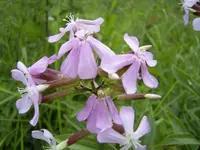
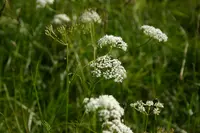
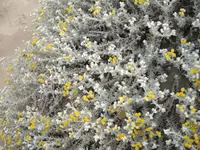
Cottonweed, Achillea maritima, is a compact, perennial herb from coastal regions of southern Europe and North Africa. It naturally grows on dunes, cliffs, and salty shores. Its silver-gray, finely divided foliage forms low mounds, often topped with small, creamy-white flower clusters in summer. The dense, woolly leaves give it a distinctive, soft look. This species is adapted to wind, salt, and drought, which makes it generally resilient in dry, sunny gardens and coastal landscapes. It suits gardeners who prefer low-maintenance plants and want to learn how to care for Cottonweed in poor, sandy, well-drained soils.

Main Plant Requirements

Care Difficulty

Easy Care

Light Preference

Full Sun

Water Requirements

Low Water

Temperature Preference

Cold Hardy

Hardiness Zone

7–10

Soil Texture

Sandy, Loamy, Rocky

Soil pH

Neutral (7.0), Slightly alkaline (7.0–7.5)

Soil Drainage

Well-drained

Fertilization

Minimal (feed rarely)

Get Personalized Care Plan

Scan your plant to receive care tips personalized for your specific plant

Available on iOS and Android

How to Care for the Cottonweed

Achillea maritima thrives in strong sun typical of dry, coastal habitats.

  • Provide 6–8 hours of direct sunlight daily; full sun promotes compact growth and dense flowering for Cottonweed.
  • Plant in an open, unshaded site; it tolerates light afternoon shade in hot climates but flowering and leaf density decline in too much shade.
  • Watch for leggy, weak stems and few blooms as signs of insufficient light, while pale, crispy foliage may indicate intense reflected heat from walls or paving.

Achillea maritima prefers dry, fast-draining conditions and is highly drought-tolerant once established.

  • Water deeply only when the top 3–5 cm of soil is completely dry; in most outdoor beds this means infrequent watering after the first growing season.
  • Use very well-drained, sandy or gritty soil so water runs through quickly and roots do not sit wet, which reduces the risk of root rot and fungal issues.
  • Treat limp, curling foliage and very dry, crumbly soil as signs to water, while yellowing, soft stems or a sour soil smell indicate overwatering.

This coastal species handles a wide temperature range but grows best in moderate warmth.

  • Aim for active growth in 65–80°F (18–27°C); plants tolerate typical summer heat if soil stays dry and air movement is good.
  • Mature clumps usually survive down to about 10–15°F (-12–-9°C) in well-drained soil, but young plants benefit from protection in their first winter.
  • In very hot periods above 90°F (32°C), avoid reflected heat from walls or rock mulch and allow the soil to dry fully between sparse, deep waterings.

Humidity is rarely limiting for Achillea maritima, which thrives in dry, airy conditions.

This coastal species needs mineral, sharply drained soil that mimics sandy, seaside habitats.

  • Use a gritty mix such as 60–70% coarse sand or grit with 30–40% loam-based compost to prevent waterlogging.
  • Aim for slightly alkaline to neutral pH around 7.0–8.0; incorporate a small amount of crushed limestone if soil is acidic.
  • Ensure a loose, crumbly structure that air can move through; avoid compacting the surface after planting.
  • Do not use peat-heavy or water-retentive mixes, which increase root rot risk for Achillea maritima.

This species adapts well to container culture if the pot is managed to stay dry and airy around the roots.

  • Choose a wide, shallow container so the spreading root system can occupy the surface zone without deep, wet pockets.
  • Select unglazed terracotta to allow faster evaporation, which suits this drought-adapted, salt-tolerant plant.
  • Raise the pot on feet or spacers so drainage holes stay clear and runoff leaves the container quickly, similar to caring for Cottonweed.

Achillea maritima is adapted to poor, sandy soils and needs only light, careful feeding in cultivation.

  • Use a low-dose, balanced NPK or slow-release granular fertilizer once in early spring for in-ground plants, especially when growing Cottonweed away from native coastal soils.
  • For containers, apply a diluted balanced liquid fertilizer at 1/4 strength every 6–8 weeks during the growing season.
  • Avoid rich compost or frequent feeding, which encourages weak, leggy growth and reduces drought and salt tolerance.
  • Stop feeding in late summer; do not fertilize in fall or winter so growth can harden for cooler conditions.

Pruning Achillea maritima maintains a compact cushion and supports repeat flowering.

  • In late winter or very early spring, remove dead, damaged, and winter-killed stems with clean hand pruners.
  • Shear back spent flower stalks in summer to encourage a tidier shape and potential light rebloom.
  • Thin out crowded, woody sections every 2–3 years to keep good air flow and dense new growth.
  • Always cut just above healthy foliage and avoid cutting into the oldest, bare woody base.

Transplanting or repotting Achillea maritima is infrequent, as the plant prefers to stay undisturbed once established.

  • Plan any transplanting for early spring or early fall, avoiding hot, dry periods to limit transplant shock.
  • Move plants only when clumps are overcrowded or growth declines, typically every 3–5 years in garden beds.
  • Lift the plant with a wide root ball, keeping the sandy soil intact around roots to minimize disturbance.
  • Replant at the same depth in sharply drained, gritty soil, water once to settle, then allow the surface to dry between light waterings.

Achillea maritima is commonly propagated by division and semi-ripe cuttings rather than seed for consistent traits.

  • Divide established clumps in early spring, lifting and gently teasing apart sections with healthy roots and several shoots.
  • Replant divisions into sharply drained, sandy soil, water once, then keep only slightly moist until growth resumes.
  • Take semi-ripe stem cuttings in late spring to mid-summer, dip in rooting hormone, and place in a gritty, fast-draining mix.
  • Provide bright light, high air flow, and moderate humidity for cuttings, keeping the medium just barely moist to prevent rot.

This coastal perennial is fairly cold hardy and usually needs minimal winter care in well-drained soil.

  • In climates colder than its usual range, apply a light, dry mulch around the root zone after the ground cools, not touching the crown.
  • Avoid heavy, wet mulches that trap moisture, as waterlogged winter soil can cause root rot.
  • For container plants in cold regions, move pots to a sheltered, unheated but frost-free spot and reduce watering.

Care Tips

Improve Soil Drainage

In heavy garden soils, mound the planting area 10–15 cm above grade with a gritty sand and fine gravel mix to mimic coastal habitats and prevent root rot when growing Cottonweed.

Control Plant Spread

If the clump begins to spread too far, slice off and remove outer runners with a sharp spade in early spring, then replant healthy divisions into new well-drained spots.

Encourage Dense Growth

Lightly trim back spent flower stems and any leggy shoots by about one-third after blooming to keep the plant compact and encourage a denser mat of foliage.

Protect From Winter Wet

In regions with cold, wet winters, top-dress around the crown with a 2–3 cm layer of coarse grit or small gravel in autumn to keep moisture away from stems and crowns.

Reduce Pest Pressure

Site plants in open, breezy spots and avoid overhead watering so foliage dries quickly, which reduces the risk of mildew and discourages sap-sucking insects that prefer stagnant, humid microclimates.

Common Pests and Diseases

Powdery mildew

This disease appears in humid, stagnant conditions as a white, powdery coating on leaves and stems, sometimes causing distortion and reduced vigor.

Solution

Remove heavily affected foliage, then improve air circulation by thinning nearby plants and avoiding overhead watering; if needed, apply a sulfur- or potassium bicarbonate-based fungicide labeled for ornamentals, ensuring the foliage dries rapidly after treatment to support Achillea maritima plant care.

Botrytis blight

This disease develops in cool, moist weather, causing gray, fuzzy mold on fading flowers and sometimes on leaves and stems.

Solution

Promptly deadhead spent flower heads and remove any soft, spotted tissue, then space plants to increase airflow and water at soil level; in persistent cases, use a labeled fungicide containing chlorothalonil or iprodione and keep surrounding debris cleared.

Aphids

These insects feed on sap from tender shoots and flower stems, leading to sticky honeydew, curled foliage, and stunted growth under heavy infestations.

Solution

Blast colonies off with a firm stream of water, then use insecticidal soap or a light horticultural oil on remaining clusters, repeating every 5–7 days as needed while encouraging natural predators such as lady beetles by avoiding broad-spectrum insecticides nearby.

Leafhoppers

These insects jump quickly when disturbed and cause pale speckling, leaf yellowing, and sometimes distorted growth by sucking sap from foliage.

Solution

Reduce weed hosts near the planting area, then use yellow sticky traps to monitor populations; if damage increases, apply insecticidal soap or a pyrethrin-based spray in the evening, coating the undersides of leaves where insects rest.

Interesting Facts

Natural salt-tolerant leaves

The thick, woolly leaves of this species can tolerate high soil salinity typical of coastal dunes, allowing it to grow where many non-halophyte plants quickly die. Its dense felt-like hairs help reduce water loss and protect leaf tissues from salt spray.

Dune-stabilizing root system

This yarrow forms a low, clumping habit with a spreading root system that helps trap and stabilize shifting sand on coastal dunes. It often acts as a pioneer species, gradually improving substrate conditions for other dune plants to establish.

Silvery foliage adaptation

The silvery-white color of its foliage reflects intense sunlight and heat in exposed coastal sites. Combined with the leaf hairs, this reflective surface reduces leaf temperature and limits photodamage during strong sun and wind exposure.

Botan icon

Did you know?

This coastal yarrow is native to maritime sands and dunes around parts of the Mediterranean and Atlantic coasts, where it often grows just above the high-tide line, enduring constant exposure to wind, salt spray, and periodic sand burial that would kill most garden perennials.

FAQs about Cottonweed

This species forms low, slowly expanding clumps rather than running roots. It spreads modestly in gritty, well-drained soil and is usually easy to keep within bounds with occasional division or edging in small beds or rock gardens.

Grow Healthy Plants with Botan Care

Keep your plants happy and healthy with plant identification, disease detection, and easy care guidance.

Botan plant care app — identify plants on mobile

Explore More Plants