Kaempferia elegans Care (Kaempferia pulchra)

Also known as: silver spot
Kaempferia elegans

About Kaempferia elegans

Kaempferia elegans, often listed as Kaempferia pulchra, is a small rhizomatous perennial from the ginger family. It forms low clumps, making it suitable for pots and shaded garden edges.

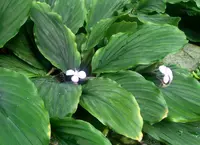
The plant is prized for its striking patterned leaves, typically dark green with silver or purple markings, and short-lived but showy lilac to purple flowers held close to the ground.

In nature it occurs in warm, humid forests of Southeast Asia, where it grows in leaf litter under higher plants. This background explains its preference for dappled light, evenly moist but well-drained soil, and a warm growing season.

These traits make it moderately easy to grow, provided its need for seasonal warmth and rest is respected, which is central to how to care for Kaempferia elegans.

Main Plant Requirements

Care Difficulty

Moderate Care

Light Preference

Partial Shade

Water Requirements

Keep Soil Moist

Temperature Preference

Tropical / Frost Sensitive

Hardiness Zone

9–11

Soil Texture

Loamy, Peaty, Organic-rich

Soil pH

Acidic (5.5–6.5), Slightly acidic (6.5–7.0)

Soil Drainage

Moist but well-drained

Fertilization

Light (every 4–6 weeks)

Get Personalized Care Plan

Scan your plant to receive care tips personalized for your specific plant

Available on iOS and Android

How to Care for the Kaempferia elegans

Kaempferia pulchra prefers bright, filtered light that mimics a forest floor environment.

  • Provide 3–5 hours of soft morning sun with dappled or filtered shade the rest of the day; avoid harsh midday and afternoon sun that can scorch leaves.
  • Grow in partial shade outdoors; under shrubs, shade cloth, or a covered patio works well for Kaempferia elegans and close relatives.
  • If leaves stretch, fade, or bloom count drops, increase light slightly; if foliage curls, yellows, or shows brown patches, reduce direct sun exposure.

This species thrives in evenly moist but not waterlogged soil during the active growing season.

  • Water when the top 2–3 cm of soil feels dry, aiming for consistently damp soil around the rhizomes without standing water.
  • Use loose, well-drained soil; if water lingers on the surface for more than a few minutes, improve drainage to reduce rot risk.
  • In autumn and winter, as foliage dies back, reduce watering sharply and let the soil dry further between waterings to protect dormant rhizomes.

This ginger relative prefers warm, stable temperatures that avoid both frost and intense heat extremes.

  • Aim for 70–85°F (21–29°C) during active growth for best leaf color and flowering.
  • Protect from cold; growth slows below 60°F (16°C), and prolonged exposure below 50°F (10°C) or any frost can damage or kill rhizomes.
  • In hot regions, when temperatures exceed 90°F (32°C), provide extra shade and soil moisture to prevent heat stress and leaf scorch.

This rhizomatous understory ginger needs consistently high humidity to thrive in containers or garden shade.

  • Aim for 60–80% humidity, similar to caring for Kaempferia elegans, to keep foliage crisp and patterned.
  • Tolerates brief dips to 40–50%, but prolonged dry air causes curling leaf edges, brown tips, and slower growth.
  • Increase humidity with a pebble tray under the pot, grouping plants, or a nearby humidifier rather than frequent misting.

Kaempferia pulchra prefers loose, airy, organic-rich soil that drains quickly but stays evenly moist around its rhizomes.

  • Use a mix of roughly 50% peat or coco coir, 30% compost, and 20% perlite or fine bark for structure and drainage.
  • Soil should be mildly acidic to neutral, around pH 6.0–7.0, as strongly alkaline mixes can limit nutrient uptake.
  • Ensure the mix feels springy and crumbly, not sticky or heavy, so air can reach the rhizomes and fine roots.
  • Avoid dense clay, unamended garden soil, or mixes that stay soggy, which increase the risk of rhizome rot.

This species is well suited to container growing for patios, shaded porches, or sheltered garden corners.

  • Choose a wide, shallow container that matches its spreading rhizomes so growth fills horizontally rather than deeply.
  • Select a slightly heavier pot material, such as ceramic, to keep low, leafy clumps stable after rain or watering.
  • Raise the pot slightly on feet or bricks so excess water exits quickly and does not reabsorb from saucers or paving.

Kaempferia pulchra benefits from light, targeted feeding during its warm-season growth while remaining unfed in full dormancy.

  • Use a balanced, dilute liquid fertilizer (around 10-10-10) at 1/4–1/2 strength every 3–4 weeks in active growth.
  • Apply during late spring to late summer only; stop feeding once foliage begins to yellow and die back.
  • Choose products suited to caring for Kaempferia elegans and related ginger species, avoiding high-salt synthetic formulas.
  • In containers, supplement with a thin layer of fine compost or a low-dose slow-release fertilizer at the start of the season.

Kaempferia pulchra needs only light, maintenance pruning to keep clumps tidy and healthy.

  • Best time is late winter to early spring, just before or as new shoots emerge from the rhizomes.
  • Cut away dead, yellowed, or damaged leaves at the base with clean, sharp scissors or pruning snips.
  • Thin congested or overlapping leaves to improve air movement and reduce disease risk, keeping the clump open.
  • Remove spent flower stalks down to the foliage line to focus energy on rhizome strength rather than seed formation.

Kaempferia pulchra forms small rhizome clumps that benefit from occasional division and repotting in containers.

  • Look for roots circling the pot, water draining very quickly, or reduced leaf size and flowering as signs to repot.
  • Plan repotting for early spring, just before strong new growth, usually every 2–3 years for healthy plants.
  • Move into a container only 2–5 cm wider, using loose, well-drained mix and setting rhizomes at or just below the surface.
  • Water lightly after repotting, keep in bright shade for 7–10 days, and avoid heavy feeding until new growth is established.

Kaempferia pulchra is most reliably propagated by division of rhizomes rather than from seed or cuttings.

  • Divide clumps in early spring when new buds are visible but shoots are still short and soft.
  • Lift the plant carefully, then separate rhizome sections by hand or with a clean knife, keeping at least 1–2 buds per piece.
  • Plant divisions in moist, well-drained soil, positioning buds just below the surface and spacing pieces 10–15 cm apart.
  • Maintain warm conditions around 70–80°F, bright indirect light, and evenly moist soil until new leaves expand fully.

Kaempferia pulchra is frost-sensitive and needs protection in regions with cold winters.

  • In USDA zones below 9, grow in containers and move indoors before temperatures drop near 40°F.
  • Outdoors in mild climates, allow foliage to die back, then mulch the root zone with 5–8 cm of dry leaves or bark.
  • Keep pots indoors in a cool, frost-free area with very low watering while rhizomes remain dormant.
  • Resume normal watering and remove mulch gradually as temperatures warm and new shoots appear in spring.

Care Tips

Rhizome division timing

Lift and divide rhizomes only when foliage has fully died back, then replant the healthiest, firm sections at the same depth to maintain clump vigor and prevent overcrowding.

Dormancy storage method

In cold climates, dig up rhizomes after frost blackens the leaves, dry them for a few days, then store in barely moist peat or coco coir at 50–59°F to avoid rot and desiccation over winter.

Shallow mulching approach

Apply a light 2–3 cm mulch of fine bark or leaf mold above the root zone, keeping it off the stems, to keep the shallow rhizomes cool and reduce moisture fluctuations.

Container rotation practice

Rotate pots by 90° every 1–2 weeks during active growth so new leaves emerge more evenly and the clump develops a balanced, symmetrical habit.

Pest scouting routine

Inspect the undersides of leaves and emerging shoots every 7–10 days, wiping them with a damp cloth or using a gentle insecticidal soap at first signs of spider mites or aphids, a routine that also works when caring for Kaempferia elegans.

Common Pests and Diseases

Rhizome nematodes

This pest attacks the underground rhizomes, causing weak shoots, stunted clumps, and gradual decline in vigor.

Solution

Lift and inspect rhizomes if growth is poor, discard badly infested pieces, and replant only firm, clean sections in fresh, well-drained medium; in collections, maintaining good sanitation, avoiding reuse of contaminated potting mix, and sourcing divisions from nematode-free stock are the most effective long-term Kaempferia pulchra plant care measures.

Spider mites

These insects feed on the undersides of leaves in warm, dry conditions, leading to fine speckling, dull foliage, and sometimes light webbing between leaves and stems.

Solution

Rinse foliage thoroughly with lukewarm water, focusing on leaf undersides, then maintain higher humidity and isolate affected plants; for persistent problems, use repeated applications of insecticidal soap or a horticultural oil, ensuring good coverage but avoiding spraying in strong sun or high heat.

Leaf spot

This disease causes small brown or dark purple spots that may enlarge, coalesce, and lead to premature yellowing and drop of the patterned leaves.

Solution

Remove and discard affected leaves promptly, avoid wetting foliage when watering, and improve spacing and airflow; in humid climates or repeated outbreaks, apply a labeled broad-spectrum fungicide according to directions, especially early in the growing season.

Bacterial soft rot

Symptoms include sudden collapse of shoots and a foul-smelling, water-soaked decay of the basal stem and rhizome, often starting in overly wet or poorly drained conditions.

Solution

Immediately remove and discard all affected plant material and surrounding soil, then allow any remaining healthy rhizome pieces to dry before replanting in a sharply draining mix; reduce watering, keep the crown just at soil level, and avoid overhead watering to limit future infections.

Interesting Facts

Seasonal disappearance

This species is a true geophyte, dying back completely to its underground rhizomes in the dry or cool season and then re-emerging when warmth and moisture return, which can surprise new growers who think the plant has died.

Patterned camouflage leaves

The leaves typically show a striking mosaic of silvery or pale bands on a dark green to purplish background, an adaptation believed to help filter dappled forest-floor light while also providing visual camouflage among leaf litter.

Night-scented flowers

The pale, delicate flowers are often most fragrant in the evening and night, a trait associated with attracting crepuscular or nocturnal pollinators rather than daytime insects.

Botan icon

Did you know?

Some forms of this species bear leaves so dark and heavily patterned that they are cultivated more for their foliage than for their flowers, and horticulturists have used this variability to select ornamental clones that are distinct enough to be given cultivar names.

FAQs about Kaempferia elegans

Yellowing leaves usually result from natural dormancy, excess moisture around the rhizomes, or older foliage aging out. Check for soggy soil, poor drainage, or cold stress, and remove only completely spent leaves to prevent rot.

Grow Healthy Plants with Botan Care

Keep your plants happy and healthy with plant identification, disease detection, and easy care guidance.

Botan plant care app — identify plants on mobile

Explore More Plants