Kardal Care (Ancistrocladus heyneanus)

Kardal

About Kardal

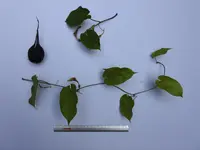
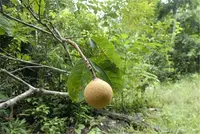
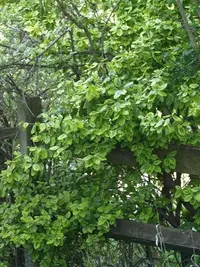
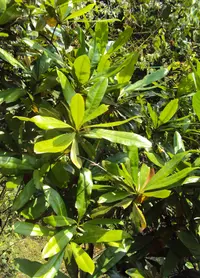
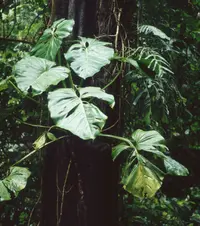
Kardal, Ancistrocladus heyneanus, is a tropical woody climber native to moist evergreen forests of South and Southeast Asia. It naturally scrambles over trees, forming dense leafy growth. The plant has glossy, elongated leaves and slender, twining stems, giving it a refined, ornamental look when supported on a trellis or other structure. Small, less showy flowers are usually secondary to its foliage appeal. Kardal can be demanding in cultivation because it comes from stable, humid forest understories. It prefers consistently warm conditions, filtered light, and an evenly moist, well-drained, organic-rich substrate. Those who want to learn how to care for Kardal should be prepared to mimic its sheltered, humid forest environment as closely as possible.

Main Plant Requirements

Care Difficulty

Hard Care

Light Preference

Partial Shade

Water Requirements

Keep Soil Moist

Temperature Preference

Tropical / Frost Sensitive

Hardiness Zone

11–13

Soil Texture

Loamy, Organic-rich

Soil pH

Acidic (5.5–6.5), Slightly acidic (6.5–7.0)

Soil Drainage

Moist but well-drained

Fertilization

Minimal (feed rarely)

Get Personalized Care Plan

Scan your plant to receive care tips personalized for your specific plant

Available on iOS and Android

How to Care for the Kardal

This tropical liana prefers bright, filtered light that mimics a warm forest edge.

  • Provide 4–6 hours of bright, indirect light daily, with gentle morning sun and dappled or filtered light for the rest of the day.
  • Tolerates light partial shade, but prolonged deep shade causes leggy growth and reduced leaf size on Kardal vines.
  • Avoid harsh midday and late-afternoon sun, which can scorch leaves; give light shade cloth or overhead tree cover in summer, especially in hot climates.

This species prefers consistently moist, not waterlogged, soil with good aeration.

  • Water when the top 2–4 cm of soil feels slightly dry, then moisten the root zone thoroughly so excess water drains freely.
  • In warm growing seasons, expect to water more often; in cooler or cloudy periods, extend intervals and rely on soil feel rather than a fixed schedule.
  • Watch for yellowing, mushy roots or sour smell as signs of overwatering, and dull, curling, or drooping leaves as indicators of underwatering in Ancistrocladus heyneanus.

Stable, warm conditions support healthy growth and steady climbing.

  • Aim for 70–85°F (21–29°C) as the main growth range, similar to lowland tropical forest conditions.
  • Protect the plant from temperatures below 55°F (13°C); foliage and young stems can be damaged near this limit and are highly vulnerable to any frost.
  • Tolerates brief heat up to about 90–95°F (32–35°C) if soil moisture and humidity are maintained, but growth slows in prolonged heat or repeated cool spells.

This species prefers warm, consistently humid air similar to a tropical understory environment.

  • Aim for 60–80% humidity; it tolerates brief dips but reacts poorly to persistently dry indoor air.
  • Crisping leaf edges, stalled growth, and increased spider mite activity indicate humidity stress in Kardal.
  • Use grouped plants, a room humidifier, or a pebble tray near the plant rather than misting that only raises humidity for a few minutes.

Ancistrocladus heyneanus benefits from a moist, highly aerated, organic-rich substrate that never becomes waterlogged.

  • Use a loose, humus-rich, loamy mix with 40–50% fine bark or coco coir, 20–30% perlite or pumice, and the rest compost-based potting mix.
  • Ensure rapid drainage so water runs through in seconds, but fine particles and organic matter retain enough moisture between waterings.
  • Target a slightly acidic pH around 5.5–6.5, avoiding strongly alkaline mixes that can limit nutrient uptake and cause chlorosis (leaf yellowing).
  • Avoid heavy clay, compacted, or peat-only media; improve such substrates with coarse aggregates to keep roots oxygenated and prevent root rot.

This liana can be grown in containers if the pot supports its climbing, deep-rooting habit and stable moisture.

  • Select a tall, heavy container that resists tipping once support stakes or a trellis carry significant vine mass.
  • Choose thick-walled terracotta or similar porous material if the environment is very humid, to prevent roots from sitting in overly wet media.
  • Provide a sturdy, integrated trellis or vertical support fixed inside the pot so root disturbance is minimized as stems elongate.

This tropical liana benefits from light, steady feeding rather than heavy doses when grown in containers or managed plantings.

  • Use a balanced liquid fertilizer (around 10-10-10 or 20-20-20) at 1/4–1/2 strength every 4–6 weeks in spring and summer when growing Kardal under cultivation.
  • Choose slow-release granules or well-rotted compost mixed into the topsoil for more gradual nutrient supply.
  • Skip feeding or reduce to 1 very light application in fall and winter, especially in cooler or low-light conditions.
  • Always water before applying liquid fertilizer to limit root burn and salt buildup.

Ancistrocladus heyneanus benefits from light structural pruning to manage size and maintain a healthy climbing framework.

  • Carry out main pruning at the end of winter or very early spring before vigorous new growth starts.
  • Remove dead, diseased, crossing, or weak stems first, then thin crowded interior shoots to improve light and airflow.
  • Shorten overly long vines to control spread and encourage branching along a sturdy support.
  • Use clean, sharp bypass pruners and make angled cuts just above a leaf node or lateral shoot.

This species is usually grown in the ground in warm climates, but container plants or nursery stock may need occasional repotting or careful transplanting.

  • Plan major transplanting or pot-up work in late spring when soil is warm and active root growth resumes.
  • Look for roots circling the pot, dense root mats at drainage holes, or declining vigor as signs a container plant needs more space.
  • Shift to a pot only 1–2 sizes larger using a free-draining, humus-rich mix, keeping the root ball as intact as possible.
  • Water thoroughly after moving, shade from strong sun for 5–7 days, and avoid strong fertilizer for 2–3 weeks to reduce root stress.

This liana is not commonly propagated by home growers and can be slow, but vegetative and seed methods are possible under controlled conditions.

  • Use semi-ripe stem cuttings in late spring or early summer, removing lower leaves and dipping the base in rooting hormone.
  • Insert cuttings into a sterile, moist, well-drained medium and maintain high humidity and bottom warmth around 75–80°F.
  • Sow fresh seeds in a warm (75–85°F), consistently moist, but not waterlogged medium, as germination can be slow and uneven.
  • Provide bright, filtered light and avoid disturbing young roots until growth clearly strengthens.

This tropical species has low frost tolerance and needs protection in regions with cool or cold winters.

  • In USDA zones cooler than 10–11, grow in large containers so plants can be moved indoors before temperatures approach 40°F.
  • For in-ground plants in marginal climates, apply a 5–10 cm organic mulch layer over the root zone in late fall.
  • Shelter stems from cold, drying winds using windbreaks or by training against a warm, south-facing wall.
  • Indoors, keep plants in bright, indirect light with temperatures above 60°F and slightly drier soil than in summer.

Care Tips

Provide climbing frame

Install a sturdy trellis or vertical mesh early and tie young vines with soft garden ties in loose loops so stems lignify straight and do not kink as they thicken.

Deep container choice

Use a tall, heavy pot with good drainage to accommodate the long taproot and climbing top growth, which reduces tipping and root stress as the plant gains height.

Targeted tip pruning

Pinch only the very soft shoot tips once or twice a year to encourage side branching while preserving a dominant leader for vertical training, rather than cutting back older woody sections.

Root-zone mulching

Apply a 2–3 cm layer of fine bark or coco husk chips over the soil surface to keep the root zone evenly cool and moist while still allowing air movement around the stem base.

Seasonal pest checks

Inspect the undersides of leaves and young shoots every 2–3 weeks during warm, humid months and treat early signs of scale or mites with a horticultural soap spray, which is often enough for effective Ancistrocladus heyneanus plant care.

Common Pests and Diseases

Leaf spot

This disease causes scattered brown to dark purple spots on the thin climbing leaves, sometimes with a yellow halo and eventual tissue breakdown along the midrib.

Solution

Remove and discard affected leaves, avoid overhead watering, and keep foliage as dry as possible; improve air movement around the vine and apply a copper-based or chlorothalonil fungicide labeled for ornamental vines if new spotting continues under warm, humid conditions.

Powdery mildew

This disease appears as a fine white or gray powder on the upper leaf surface and tender shoots, leading to dull, distorted growth in shaded, stagnant air conditions.

Solution

Increase light and airflow, avoid crowding the vine, and wipe or rinse affected foliage before applying a low-impact fungicide such as potassium bicarbonate, sulfur, or a horticultural oil, following label directions and avoiding treatment during high heat.

Scale insects

These insects form small, dome-shaped brown or gray bumps on stems and leaf veins, causing gradual yellowing and vigor loss through sap feeding on the woody climber.

Solution

Gently scrape or wipe visible scales off with a cotton pad dipped in alcohol, prune heavily infested twigs, and then use repeated applications of horticultural oil to smother remaining nymphs, targeting crawler stages on both sides of leaves and stems.

Spider mites

This pest produces fine webbing on the undersides of leaves and along young stems, with symptoms including stippled, faded foliage under hot, dry conditions, especially in indoor or greenhouse Kardal care instructions setups.

Solution

Rinse foliage thoroughly with a strong but gentle stream of water, raise humidity, and, if needed, apply insecticidal soap or a light horticultural oil to the undersides of leaves at weekly intervals until new growth appears clean.

Interesting Facts

Western Ghats endemic

This liana is native to the evergreen and semi-evergreen forests of the Western Ghats in India, where it grows mainly in low- to mid-elevation moist tropical habitats and does not occur naturally outside this region.

Climbing shrub habit

Unlike many woody climbers that produce tendrils or adhesive roots, this species climbs as a scandent shrub, using its flexible, arching stems to lean and rest on surrounding vegetation for support.

Source of unique alkaloids

Its leaves contain naphthylisoquinoline alkaloids such as ancistrocladine, which have attracted chemists’ attention for their unusual molecular structures and have helped clarify relationships within the family Ancistrocladaceae.

Botan icon

Did you know?

The species was first described scientifically in the 19th century from material collected in southern India and has since become an important reference taxon for studying the evolution and chemistry of the small and isolated family Ancistrocladaceae.

FAQs about Kardal

This species is a woody liana, meaning it naturally climbs rather than forming a bush or ground cover. It uses nearby trees or man‑made supports to scramble upward and will not stand upright unsupported.

Grow Healthy Plants with Botan Care

Keep your plants happy and healthy with plant identification, disease detection, and easy care guidance.

Botan plant care app — identify plants on mobile

Explore More Plants