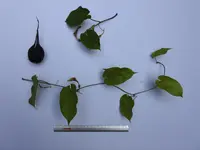
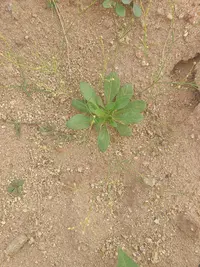
angled pea Care (Lathyrus angulatus)

Also known as: brown vetchling
angled pea

About angled pea

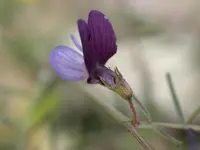
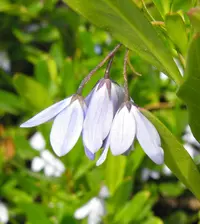
Angled pea, Lathyrus angulatus, is an annual climbing pea species in the legume family. It produces slender, angled pods and delicate, typically purple to reddish flowers. Stems are weak and twining, so the plant often leans on nearby vegetation or supports for stability.

This species is native to the Mediterranean region and is occasionally found naturalized in other mild climates. It prefers open, sunny sites with well-drained soils and moderate moisture. Gardeners who care for angled pea usually find it undemanding if provided with enough light and simple support for its scrambling growth.

Main Plant Requirements

Care Difficulty

Moderate Care

Light Preference

Full Sun

Water Requirements

Moderate Water

Temperature Preference

Cool Climate

Hardiness Zone

7–10

Soil Texture

Sandy, Loamy, Organic-rich

Soil pH

Slightly acidic (6.5–7.0), Neutral (7.0)

Soil Drainage

Well-drained

Fertilization

Minimal (feed rarely)

Get Personalized Care Plan

Scan your plant to receive care tips personalized for your specific plant

Available on iOS and Android

How to Care for the angled pea

This annual climber thrives in bright outdoor conditions with several hours of direct sun daily.

  • Provide 4–6 hours of direct sun, ideally morning sun with light afternoon shade, to support compact growth and abundant flowering in angled pea.
  • Allow light dappled or partial shade in hotter regions, especially after 1–2 pm, to prevent leaf scorch and premature drying of flower stems.
  • In early spring, choose the sunniest site available; in late spring to early summer, monitor for bleaching or crisp leaf edges as signs of too much intense sun.

This species prefers evenly moist but not saturated soil, especially during active growth and flowering.

  • Water when the top 2–4 cm of soil feels dry, aiming for deep soaking rather than frequent light splashes to encourage deeper roots in Lathyrus angulatus.
  • Use well-drained, loamy soil; puddling on the surface or a sour smell indicates poor drainage and a risk of root rot from overwatering.
  • In cool spring weather, watering needs are low, but during warm, windy spells, watch for drooping foliage and quick-drying soil as signs to water sooner.

This cool-season climber grows best in mild conditions without harsh frost or extreme heat.

  • Aim for active growth in 55–70°F (13–21°C); flowering and overall vigor decline when temperatures stay above 80°F (27°C).
  • Protect from frost, as foliage is damaged near 30°F (-1°C) and plants can be killed by harder freezes, especially when young.
  • In hot summers, provide afternoon shade and mulch the root zone to buffer soil temperatures, reducing stress during short periods of heat up to about 85°F (29°C).

This species prefers moderate ambient humidity but adapts to typical outdoor levels in temperate climates.

  • Aim for 40–60% humidity; brief drops lower than this are usually tolerated without damage.
  • Dry air may cause leaf edges to brown and flower buds to dry before opening, indicating humidity stress.
  • In hot, dry weather, increase humidity around angled pea by grouping plants and using a mulch layer to slow surface evaporation.

Lathyrus angulatus grows best in loose, well-drained mineral soil with moderate organic content.

  • Use a loamy or sandy-loam soil with 20–30% compost to provide nutrients while keeping structure open.
  • Ensure rapid drainage by avoiding heavy clay; if soil is dense, incorporate coarse sand or fine grit to improve percolation and aeration.
  • Aim for slightly acidic to neutral pH (6.0–7.2), as strongly alkaline soil can reduce nutrient availability and weaken growth.
  • Avoid waterlogged, compacted, or peat-heavy mixes that stay wet for long periods, which increase root rot risk and reduce oxygen at the roots.

This species can be grown in containers outdoors if the pot supports its climbing habit and root depth.

  • Choose a container at least 25–30 cm deep to allow the taproot to extend without circling tightly.
  • Use a heavier material such as terracotta or ceramic to stabilize the pot against wind once the vines climb a support.
  • Position the container so excess water can drain freely away from the base, preventing reabsorption into the lowest drainage holes.

This annual vine grows best in moderately fertile, well-drained soil and benefits from light feeding during active growth.

  • Before sowing, mix a small amount of garden compost into the top 5–8 cm of soil for gentle, slow nutrition.
  • During spring–early summer, apply a balanced NPK fertilizer at half strength every 3–4 weeks if growth appears weak.
  • Use a liquid or water-soluble product, always on moist soil, to reduce the risk of root burn.
  • Stop feeding angled pea once flowering declines or plants begin to yellow and dry at season’s end.

Lathyrus angulatus needs only light pruning to keep the vine tidy and to prolong flowering.

  • In spring and early summer, pinch soft shoot tips with clean fingers or small scissors to encourage branching.
  • Remove faded flowers and developing pods using clean snips to direct energy into continued bloom rather than seed set.
  • Cut away any dead, yellowing, or damaged stems at their base to reduce disease pressure and improve air flow.
  • If vines tangle densely, thin a few crowded stems to maintain shape and easier support training.

This annual is usually direct-sown, but young container-grown plants can be transplanted with care to limit root disturbance.

  • Transplant in early–mid spring once frost risk has passed and seedlings have 2–3 true leaves.
  • Check small pots for roots circling drainage holes or drying out quickly, which indicates the plant is ready to move outside.
  • Water seedlings well, then slide them out gently, keeping the root ball intact to reduce transplant shock.
  • Plant into loose, well-drained soil at the same depth, firm lightly, and water thoroughly to settle roots.

This species is most commonly propagated from seed, which allows many new plants at low cost.

  • Sow fresh seeds of Lathyrus angulatus in late winter–early spring under cover or directly outdoors in spring.
  • Lightly nick or soak hard seed coats for 6–12 hours to improve water uptake and germination speed.
  • Use a free-draining seed mix, keep at 55–65°F, and maintain even moisture without waterlogging.
  • Provide bright light as soon as seedlings emerge and good air circulation to avoid damping-off disease.

As a cool-season annual, this plant completes its life cycle in 1 year and usually needs no special winter care in mild areas.

  • In regions with frost, treat plants as seasonal; allow foliage to die back naturally after hard frosts.
  • Remove dead vines and pods in late fall to reduce overwintering pests and self-sown volunteers if not desired.
  • For late-season seedlings in colder climates, a light mulch can buffer soil temperature until growth finishes.

Care Tips

Early support setup

Install low pea netting or horizontal strings 10–15 cm above the soil before seedlings emerge so young angled pea vines can quickly latch on and avoid weak, tangled growth.

Gentle vine training

Check vines weekly and loop new growth loosely around mesh or twine instead of forcing sharp bends, which reduces stem breakage and keeps flowering shoots evenly spaced for better air flow.

Timely pinching back

Pinch out only the very soft tips of overly vigorous shoots when they reach 20–30 cm to encourage branching without delaying flowering, and always use clean fingers or scissors to reduce infection risk.

Preventing pod set

Remove spent flowers before pods swell if the goal is ornamental display, since preventing heavy seed set helps direct energy into continued blooming when growing angled pea in mild climates.

Rotation and cleanup

Rotate planting areas yearly and remove all old vines and fallen debris after flowering finishes to lower pressure from pea weevils and fungal spores that overwinter in plant remains.

Common Pests and Diseases

Pea aphids

This pest feeds on young shoots and flower stalks, causing distortion, sticky honeydew, and reduced vigor. Symptoms include clusters of soft green insects on tender growth, sometimes attended by ants.

Solution

Spray colonies off with a strong stream of water and remove heavily infested shoot tips. For persistent problems, use insecticidal soap or a horticultural oil, applied thoroughly to stems and leaf undersides in cool, shaded conditions, and encourage natural predators such as lady beetles by avoiding broad-spectrum insecticides nearby.

Powdery mildew

This disease appears as white, powdery patches on leaves, stems, and sometimes flower buds, especially in dry air with poor air circulation. Symptoms include yellowing, leaf curling, and premature leaf drop as the infection progresses.

Solution

Remove and discard affected leaves to reduce spore load and avoid overhead watering, especially in the evening. Improve spacing and airflow, water at the base, and if needed apply a sulfur or potassium bicarbonate-based fungicide labeled for ornamental peas at the first sign of infection, following all label directions as part of broader Lathyrus angulatus care instructions.

Pea leaf weevils

These insects chew notches along leaf margins and their larvae feed on nitrogen-fixing root nodules, which can stunt growth. Symptoms include scalloped leaf edges and pale, poorly growing plants in infested soils.

Solution

Hand-pick adults from foliage in the evening and use floating row covers early in the season where the species is grown in garden beds. Encourage healthy root development with moderate, even watering, and if damage is severe, rotate planting areas in subsequent years to reduce larval buildup in soil.

Pea thrips

This pest scrapes and sucks plant tissues, causing silvery streaks, flecking, and deformed leaves or flowers. Symptoms include fine black specks of excrement on leaves and reduced flowering under heavy infestations.

Solution

Rinse foliage thoroughly, focusing on leaf undersides and flower clusters, and remove heavily damaged shoots. For ongoing issues, use blue or yellow sticky traps to monitor adults and apply insecticidal soap or neem-based products, repeating applications as needed while avoiding treatment during high heat to prevent leaf burn.

Ascochyta blight

This disease causes brown to dark lesions on stems, leaves, and pods, often with a lighter center and a darker border. Symptoms include stem cankers, yellowing foliage, and in severe cases plant collapse, especially in wet, cool weather.

Solution

Remove and destroy infected plant parts promptly and avoid overhead irrigation to keep foliage as dry as possible. Improve soil drainage, provide good spacing for airflow, and if blight is recurrent in outdoor plantings, avoid replanting peas in the same spot for several years to reduce pathogen levels in the soil and on plant debris.

Interesting Facts

Angled pea pods

This species has distinctly 4‑angled seed pods, a trait that helped inspire both its Latin name angulatus and its common name angled pea.

Delicate Mediterranean annual

It is a small, scrambling annual native mainly to Mediterranean regions, where it grows in open, disturbed habitats such as field margins and grassy banks.

Narrow ecological niche

In many parts of its range it is considered locally uncommon, often restricted to mildly disturbed, light-rich sites with relatively dry, well-drained soils.

FAQs about angled pea

This species behaves as a true annual. It germinates, grows, flowers, sets seed, then dies within 1 season. New plants must be raised from seed each year to maintain a display.

Grow Healthy Plants with Botan Care

Keep your plants happy and healthy with plant identification, disease detection, and easy care guidance.

Botan plant care app — identify plants on mobile

Explore More Plants