


Provide sturdy support
Install a strong trellis, wire mesh, or arbor at planting time so the vigorous vines can be guided early and do not tear down weak stakes as they mature.

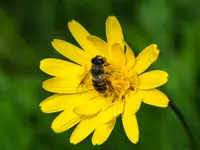
Aristolochia griffithii is a tropical climbing vine known for its unusual, pipe-shaped flowers and large, heart to arrow-shaped leaves. It is often grown as an ornamental curiosity on trellises or pergolas in warm climates or protected structures.
This species is native to parts of Southeast Asia, where it twines through forest edges and thickets. Its dramatic flowers attract specific pollinating insects, which adds interest but also means it is not a typical beginner’s flower vine.
Growth can be vigorous when conditions are suitable, so it needs space and firm support. Understanding how to care for Aristolochia griffithii starts with providing warmth, evenly moist but well-drained soil, and bright filtered light rather than harsh direct sun.

Care Difficulty
Moderate Care

Light Preference
Partial Shade

Water Requirements
Regular Water

Temperature Preference
Tropical / Frost Sensitive

Hardiness Zone
11–12

Soil Texture
Loamy, Silty, Organic-rich

Soil pH
Acidic (5.5–6.5), Slightly acidic (6.5–7.0)

Soil Drainage
Moist but well-drained

Fertilization
Light (every 4–6 weeks)
Scan your plant to receive care tips personalized for your specific plant
Available on iOS and Android
This twining vine prefers bright, gentle light similar to a forest edge or high, open shade.
This species prefers evenly moist, well-drained soil that never stays waterlogged.
This climber grows best in warm, frost-free conditions with only moderate temperature swings.
This species benefits from moderately high humidity to support vigorous growth.
This vine prefers loose, organic-rich, well-draining soil that stays evenly moist but not waterlogged.
This species adapts well to container growing when the pot supports its vigorous climbing habit.
This tropical climber benefits from modest, targeted feeding during periods of active growth.
Thoughtful pruning helps manage size and flowering performance in this vigorous twining vine.
Management focuses on giving the vine enough root space while limiting stress to its vigorous root system.
Propagation is feasible but somewhat specialized, so most home growers rely on purchased plants rather than home production.
This species is not frost hardy and needs meaningful protection in regions with cold winters.

Plant Health Check
Not sure what's wrong with your plant? Check your plant's health inside the app.
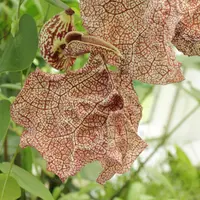
This species has strongly curved, pouchlike flowers with a narrow entrance that guides small flies inside for a short time, aiding pollination before the insects are released.
In its native range in Southeast Asia, it is pollinated mainly by tiny fly species attracted by the flower’s mottled surface and scent, which mimic decaying organic matter.
Like many members of Aristolochia, it contains aristolochic acids that make the plant unpalatable and potentially toxic to most vertebrate herbivores, offering it chemical protection in the wild.

Caterpillars of certain specialist swallowtail butterflies feed on Aristolochia griffithii and can store its toxic compounds in their bodies, gaining chemical protection from predators by using the plant’s own defenses.
This species is a twining vine that climbs rather than creeping along the ground. It wraps around trellises, wires, or nearby plants. Strong, stable vertical or oblique supports help guide growth and prevent stems from kinking or breaking.
Keep your plants happy and healthy with plant identification, disease detection, and easy care guidance.

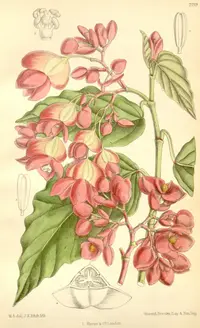
shrimp begonia
Begonia radicans
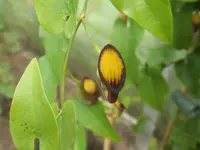
Climbing Birthwort
Aristolochia sempervirens
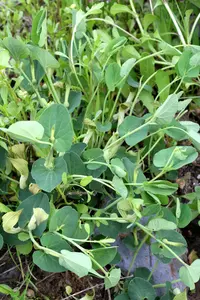
Aristolochia fontanesii
Aristolochia fontanesii
pilpil
Boquila trifoliolata
Monstera pinnatipartita
Monstera pinnatipartita
perennial pea
Lathyrus latifolius
Aristolochia pilosa
Aristolochia pilosa
mottled dutchman's pipe
Aristolochia labiata