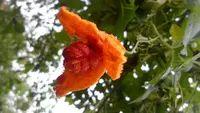
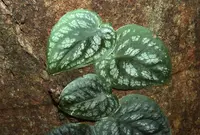
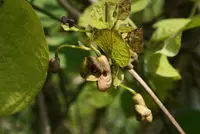
pilpil Care (Boquila trifoliolata)

pilpil

About pilpil

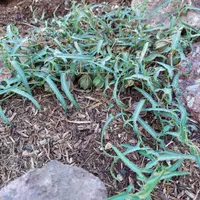
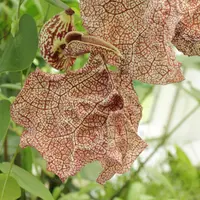
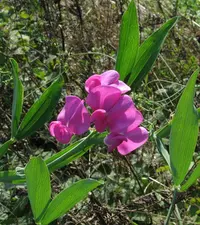
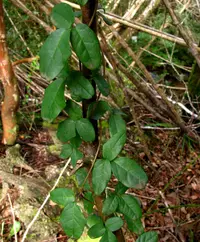
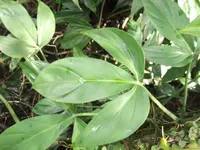
Boquila trifoliolata, commonly called pilpil or pilpil voqui, is a woody climbing vine native to temperate rainforests of Chile and Argentina. It often grows through shrubs and trees, using them for support.

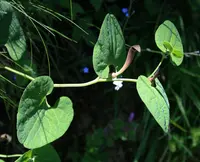
The plant is best known for its unusual leaves that can vary in shape and size, sometimes resembling the foliage of its host plant. This adaptive leaf form makes it especially interesting to collectors and botanists.

In cultivation, pilpil prefers cool to mild conditions, consistent moisture, and humus-rich, well-drained soil. Light shade that mimics an understory forest setting generally suits it best, and this should guide how to care for pilpil.

Main Plant Requirements

Care Difficulty

Hard Care

Light Preference

Partial Shade

Water Requirements

Moderate Water

Temperature Preference

Warm Climate

Hardiness Zone

9–11

Soil Texture

Loamy, Silty, Organic-rich

Soil pH

Acidic (5.5–6.5), Slightly acidic (6.5–7.0)

Soil Drainage

Moist but well-drained

Fertilization

Minimal (feed rarely)

Get Personalized Care Plan

Scan your plant to receive care tips personalized for your specific plant

Available on iOS and Android

How to Care for the pilpil

Boquila trifoliolata prefers bright, indirect forest-like light conditions with protection from harsh midday sun.

  • Aim for 3–5 hours of gentle morning sun or bright filtered light through tree canopies, shade cloth, or dappled structures.
  • Provide partial shade in the afternoon; strong sun from 12–4 pm can scorch leaves and cause pale, dry patches on pilpil foliage.
  • In low light, stems stretch and leaf mimicry weakens; choose a site that stays bright even in winter, adjusting position as sun angles change.

Boquila trifoliolata prefers evenly moist, well-drained soil that never stays waterlogged.

  • Before watering, let the top 2–4 cm of soil dry; use a finger test and water deeply so moisture reaches the root zone, then allow excess to drain away.
  • Reduce watering frequency in cool seasons when growth slows, but do not allow the soil to dry out completely for more than 1–2 days.
  • Watch for yellowing, soft leaves and a sour smell as signs of overwatering, and crisp, curling leaves as signs of underwatering; improve drainage with organic matter if water lingers.

This species prefers mild, frost-free conditions with stable, cool-temperate to subtropical temperatures.

  • Optimal growth occurs around 60–77°F (16–25°C), similar to a sheltered woodland edge, with moderate daily temperature swings.
  • It tolerates brief dips to about 40°F (4°C) but is damaged by frost; protect from freezing nights by providing overhead cover or choosing a naturally sheltered spot.
  • In heat above 86°F (30°C), provide extra shade and soil moisture; avoid hot, reflective walls or pavement that can raise leaf temperature and cause stress.

This species prefers moderately humid air but usually adapts to typical home levels if extremes are avoided.

  • Aim for 50–70% humidity to support steady foliage growth and reduce leaf-edge browning.
  • Tolerates brief dips to 30–40%, but prolonged very dry air can cause curled, crispy leaf tips and slow growth.
  • Increase humidity with a nearby humidifier or grouped plants; avoid misting leaves constantly to limit fungal risk when caring for pilpil.

This scrambling vine needs a loose, airy, organic-rich mix that drains quickly yet holds some moisture.

  • Use a base of peat-free potting mix or loam amended with 30–40% fine bark and perlite for structure and air pockets.
  • Aim for slightly acidic to neutral pH, roughly 6.0–7.0, which supports nutrient uptake without frequent deficiencies.
  • Ensure water drains freely within seconds; add extra perlite or coarse sand if water lingers on the surface or pot feels heavy.
  • Avoid compacted, clay-heavy, or waterlogged substrates, which promote root rot and limit oxygen around roots of Boquila trifoliolata.

This vine is well suited to container growing when given support and stable moisture management.

  • Choose a pot with a wide base or added weight so the container stays stable as the vine climbs or trails.
  • Select a container slightly deeper than wide to give the spreading root system enough volume without creating a waterlogged reservoir.
  • Use a material like terracotta if extra evaporation is needed, or glazed/ plastic pots if the mix dries too quickly in warm conditions.

This woody vine is light-feeding, so focus on modest nutrition rather than heavy fertilization when caring for pilpil.

  • Use a balanced, diluted liquid fertilizer (around 10-10-10 at 1/2 strength) during the active growing season.
  • Apply every 4–6 weeks in spring and summer if growth appears weak or leaves pale.
  • Pause feeding in fall and winter when growth slows or stops.
  • In outdoor beds, a thin layer of compost in spring is usually sufficient.

Pruning Boquila trifoliolata is mainly about control and plant health rather than heavy shaping.

  • Carry out light pruning in late winter or early spring before vigorous new growth begins.
  • Remove dead, damaged, or crossing stems to maintain airflow and reduce disease risk.
  • Shorten overly long or wayward vines to manage size and support structure coverage.
  • Use clean, sharp pruners and cut just above a node to encourage branching.

This species is usually trained outdoors, so transplanting into the ground is more common than long-term container culture.

  • Transplant in spring when soil is workable and night temperatures are mild and stable.
  • Look for circling roots, cramped containers, or slowed growth as signs a potted plant needs a larger space.
  • Shift to a pot 1–2 in wider or into open ground with well-drained, humus-rich soil.
  • Water thoroughly after moving, shade for several days, and keep soil evenly moist to reduce root stress.

Boquila trifoliolata is most often propagated by semi-ripe stem cuttings under controlled conditions.

  • Take 8–12 in semi-ripe cuttings in late spring to summer, each with 2–3 nodes.
  • Remove lower leaves, optionally dip the base in rooting hormone, and insert into a moist, free-draining mix.
  • Maintain high humidity and warm temperatures around 70–75°F with bright, indirect light.
  • Seed propagation is slower; fresh seed needs consistent moisture and mild temperatures to germinate.

This vine prefers mild climates and benefits from simple winter precautions in cooler regions.

  • In-ground plants tolerate light frost but may suffer in prolonged freezes below about 25°F.
  • Apply 5–8 cm of organic mulch around the root zone in late fall, keeping it off stems.
  • For containers, move plants into a frost-free, bright, cool area before hard frost conditions.

Care Tips

Provide climbing mesh

Install a sturdy, fine-gauge mesh or grid panel 10–15 cm away from a support wall so the vine can attach and weave naturally without being crushed against hard surfaces.

Use adjustable ties

Secure new shoots with soft, adjustable plant ties or coated wire in loose loops, checking every 4–6 weeks so stems are supported but not constricted as they thicken.

Rotate support cues

Periodically rotate or slightly change the backdrop (such as boards, panels, or neighboring foliage) so the vine can adjust its climbing direction and distribute growth more evenly across the support.

Inspect hidden stems

Gently lift and separate dense sections of foliage every 3–4 weeks to check the shaded inner stems for scale insects, mealybugs, or stem rot, treating problems before they spread along the vine.

Plan seasonal hardening

When moving a plant from indoor conditions to an outdoor trellis, harden it off over 10–14 days by gradually increasing light and airflow exposure to reduce stress and support stable growing pilpil in changing environments.

Common Pests and Diseases

Scale insects

This pest attaches to stems and leaf veins, sucking sap and causing yellowing, stunted growth, and sticky honeydew that can lead to sooty mold. Infestations are more likely on older, woody sections of the vine, especially in shaded, humid sites.

Solution

Remove heavily infested twigs and wipe accessible stems with a cloth dipped in dilute alcohol or insecticidal soap, taking care not to soak tender foliage. For outdoor vines, encourage natural predators such as ladybird beetles, and if needed, repeat applications of horticultural oil, thoroughly coating the stems while avoiding use during high heat or direct midday sun.

Leaf spot

This disease produces small brown to dark lesions on the leaflets, sometimes with yellow halos, and can spread in extended wet, cool conditions under forest or garden shade. Symptoms include premature leaf drop when many leaflets are affected at once.

Solution

Prune out and discard affected leaves, avoid overhead watering, and improve air movement around the vine by thinning surrounding vegetation or supports. If the problem recurs in the same site, apply a copper-based fungicide preventively at the start of a wet period, following label directions and avoiding runoff into streams or natural habitats.

Mealybugs

These insects form white, cottony clusters in leaf axils and along young stems, feeding on sap and excreting honeydew that can attract ants and promote sooty mold. New growth may appear distorted or weakened when populations are high.

Solution

Isolate potted plants or affected sections, then dab visible insects with cotton swabs dipped in alcohol or wash the vine with a strong spray of water followed by insecticidal soap. Inspect crevices on supports and nearby plants, repeat treatments weekly until no new clusters appear, and reduce excess nitrogen fertilization that encourages very soft, susceptible growth.

Rust

This disease causes small orange to brown pustules on the undersides of leaflets and lighter yellow patches above, typically in humid, shaded locations. Symptoms include gradual thinning of foliage and reduced vigor if infections persist for multiple seasons.

Solution

Remove and discard affected leaves and any fallen foliage, then increase light exposure and airflow where possible by adjusting neighboring plants or structures. In sites with recurrent rust, use a sulfur or copper-based fungicide as a protective spray at early symptom appearance, rotating products if allowed, and avoid wetting leaves late in the day to limit extended leaf wetness.

Interesting Facts

Rare leaf mimicry

This vine can change its leaf shape, size, color, and even vein pattern to resemble the leaves of different host plants it climbs on, a form of mimicry that is extremely rare in vascular plants.

Multiple host matching

A single individual has been documented mimicking several neighboring host species at the same time along different sections of the same vine, suggesting highly localized responses to its immediate surroundings.

Possible anti-herbivore strategy

Field observations indicate that leaves which closely match their host are attacked less by leaf-eating insects, supporting the idea that its mimicry may function as a defense against herbivory.

Botan icon

Did you know?

This species is one of the very few plants that has led researchers to propose non-visual information transfer between plant and host, because its detailed leaf mimicry occurs even when parts of the vine are shaded from direct light cues, raising open questions about the underlying mechanism.

FAQs about pilpil

This vine grows moderately, usually extending 30–60 cm per year in suitable outdoor conditions. Growth slows in cooler temperatures or low light. Support structures and consistent moisture help it produce longer, more flexible shoots over time.

Grow Healthy Plants with Botan Care

Keep your plants happy and healthy with plant identification, disease detection, and easy care guidance.

Botan plant care app — identify plants on mobile

Explore More Plants