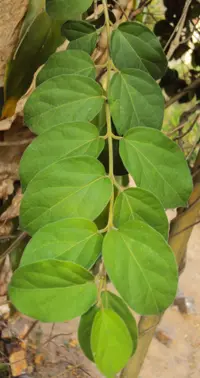
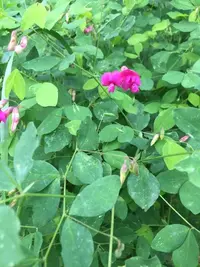
Watson's dutchman's pipe Care (Aristolochia watsonii)

Also known as: southwestern pipevine, Indianroot, Birthwort
Watson's dutchman's pipe

About Watson's dutchman's pipe

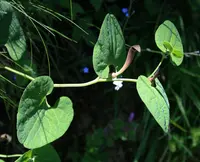
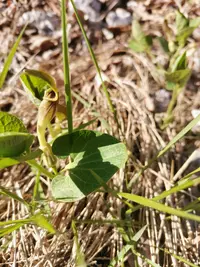
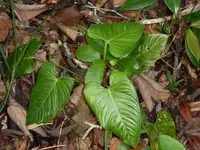
Watson's dutchman's pipe (Aristolochia watsonii) is a small, twining vine native to arid regions of the southwestern United States and northern Mexico. It often scrambles over rocks, shrubs, or low supports rather than climbing very high.

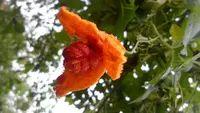
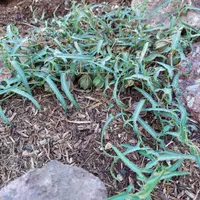
The plant has narrow, gray-green leaves and unusual, curved, pipe-shaped flowers that attract specialized pollinating flies. Its foliage also serves as a host plant for certain swallowtail butterflies.

Aristolochia watsonii prefers warm conditions, well-drained sandy or rocky soil, and moderate but not constant moisture. Gardeners who learn how to care for Watson's dutchman's pipe usually find it moderately easy in dry, sunny climates.

Main Plant Requirements

Care Difficulty

Moderate Care

Light Preference

Full Sun

Water Requirements

Low Water

Temperature Preference

Warm Climate

Hardiness Zone

9–11

Soil Texture

Sandy, Loamy, Rocky

Soil pH

Slightly acidic (6.5–7.0), Neutral (7.0)

Soil Drainage

Well-drained

Fertilization

Minimal (feed rarely)

Get Personalized Care Plan

Scan your plant to receive care tips personalized for your specific plant

Available on iOS and Android

How to Care for the Watson's dutchman's pipe

This desert vine prefers bright, intense light but benefits from some protection during the hottest hours.

  • Provide 6–8 hours of direct sun, ideally with morning sun and light afternoon shade, especially in hot desert or inland sites.
  • Tolerates bright partial shade, but flowering decreases if it receives less than 4–5 hours of direct light, leading to sparse growth in deep shade.
  • In very hot summers, use high sun exposure in spring and fall, then give filtered light or dappled shade during peak afternoon heat to prevent leaf scorch on Watson's dutchman's pipe.

This species prefers evenly moist but not saturated soil, especially while establishing.

  • Outdoors in the ground, water when the top 3–5 cm of soil are dry; during hot, dry periods this may mean every few days, but rely on soil feel rather than a fixed schedule.
  • Soil must drain freely; water should infiltrate quickly and not pool for more than 1–2 minutes, since prolonged soggy conditions cause root rot and yellowing leaves.
  • In spring and summer, slightly increase frequency if leaves wilt and soil is dry; in fall and winter, reduce watering so the root zone stays just barely moist, which suits Aristolochia watsonii in cooler weather.

This vine is adapted to warm, arid climates with mild winters and hot summers.

  • Best growth occurs around 70–90°F (21–32°C), with strong vegetative growth and flowering when nights stay above about 60°F (16°C).
  • Tolerates brief dips to about 25°F (−4°C) once established, but young plants are more tender and repeated hard frosts can damage stems and buds.
  • Handles dry heat up to 100–105°F (38–41°C) if the root zone is mulched and watered appropriately, but extended cold, wet conditions below 40°F (4°C) can stress roots and slow recovery in spring.

This desert vine handles low humidity well, so moisture in the air is rarely a concern indoors or outdoors.

Aristolochia watsonii prefers fast-draining, sandy to gravelly soil that mimics desert washes.

  • Use a mix of roughly 50% coarse sand or small grit, 30% cactus or succulent mix, and 20% composted organic matter.
  • Ensure water runs through freely; the soil should dry quickly between thorough waterings without remaining soggy.
  • Aim for slightly alkaline to neutral pH around 7.0–8.0, avoiding acidic peat-heavy blends.
  • Improve aeration and drainage further by adding extra pumice or perlite, especially in rainfall-prone climates.

This species adapts well to container culture when its sprawling, climbing habit is supported.

  • Choose a wide, moderately deep pot to allow horizontal root spread and anchor the vine’s base securely.
  • Use a heavier material like ceramic or clay to reduce tipping as the vine climbs or spreads across supports.
  • Position the container where a trellis, fence, or other structure is close enough for stems to latch on and distribute weight evenly.

This desert vine grows on lean soils and usually needs little feeding, but light fertilization can support container or garden-grown Watson's dutchman's pipe.

  • Use a balanced, diluted liquid fertilizer (around 10-10-10 at 1/4–1/2 strength) for container plants.
  • Feed lightly every 4–6 weeks in spring and early summer during active growth.
  • Avoid fertilizing in late fall and winter when growth slows or stops.
  • In the ground, a thin layer of compost in spring is usually sufficient.

Thoughtful pruning helps manage size and keep Aristolochia watsonii vines healthy and flowering.

  • Prune in late winter or very early spring before strong new growth starts.
  • Remove dead, damaged, or crossing stems back to healthy tissue with clean, sharp pruners.
  • Thin out crowded vines to improve air flow and light penetration along the trellis or support.
  • Shorten excessively long shoots to maintain shape without cutting back into very old, woody stems.

This species is often grown in the ground, but container-grown plants or young transplants benefit from occasional root space adjustments.

  • Transplant or up-pot in spring when roots circle the pot, drainage slows, or growth becomes weak.
  • Plan on moving container plants into a slightly larger pot every 2–3 years using a fast-draining, gritty mix.
  • Water thoroughly a day before moving to reduce root stress, then handle the root ball gently.
  • After transplanting, water well, provide light shade for 3–5 days, and resume normal care once growth steadies.

Aristolochia watsonii is most often propagated by seed, with semi-ripe cuttings used when stock plants are available.

  • Collect mature seeds in late summer or fall, then sow in spring in a well-draining seed mix.
  • Provide warmth (70–80°F), consistent but light moisture, and bright indirect light for germination.
  • Take semi-ripe stem cuttings in late spring or early summer, including 2–3 nodes each.
  • Dip cut ends in rooting hormone, place in a fast-draining medium, and maintain high humidity until rooted.

This vine is fairly cold tolerant in its native range and usually needs only minimal winter attention in mild climates.

  • In-ground plants in zones roughly 8–10 typically overwinter without special protection.
  • Apply a light mulch layer over the root zone after hard frost in colder areas, keeping it off stems.
  • For containers in cooler regions, move pots to a sheltered, frost-free but cool location until spring.

Care Tips

Support selection

Use a low, bushy shrub, wire mesh, or a short trellis instead of tall poles so the vine can naturally scramble and display its small flowers at eye level for easier monitoring when growing Watson's dutchman's pipe.

Hand-pollination help

If seed set is poor, gently tap open flowers or use a soft brush to move pollen between blooms in the cool morning to improve pod formation for future propagation.

Targeted pest checks

Inspect the undersides of leaves and new shoots every 1–2 weeks during warm weather and rinse off spider mites or aphids with a firm water spray before resorting to insecticidal soap.

Seed pod management

Remove immature seed pods on young or stressed plants so the vine can direct energy into root and shoot growth rather than heavy reproductive effort.

Heat and wind buffering

In very hot, dry, or windy sites, place a stone or gravel mulch only around but not touching the stem base to moderate soil temperature and reduce mechanical stress on the shallow root zone.

Common Pests and Diseases

Spider mites

This pest often appears in hot, dry, sheltered spots and causes fine stippling, dull foliage, and webbing on the undersides of leaves. Symptoms include yellowing and premature leaf drop when populations are high.

Solution

Rinse vines thoroughly with a strong stream of water, focusing on leaf undersides, and repeat every few days until activity drops. For heavier infestations, use insecticidal soap or horticultural oil labeled for mites and increase ambient humidity and airflow around the plant to make conditions less favorable for them.

Leaf miners

These insects tunnel inside the leaves, creating winding, pale trails that distort the characteristic pipevine foliage. Symptoms include thinning leaf tissue along the mines and occasional browning around damaged areas.

Solution

Prune and discard affected leaves as soon as mines are noticed to interrupt the insect life cycle. Encourage beneficial insects, avoid broad-spectrum insecticides that kill predators, and, if damage is extensive on young plants, apply a targeted systemic product labeled for leaf miners according to Aristolochia watsonii care instructions in outdoor settings.

Caterpillar chewing

These insects, often swallowtail butterfly larvae, can remove large sections of foliage and sometimes strip young vines almost completely. Symptoms include scalloped leaf edges, missing leaves, and visible caterpillars on stems and undersides of leaves.

Solution

On ornamental plants where heavy defoliation is a concern, hand-pick caterpillars and relocate them to other suitable host plants nearby. Floating row covers over young vines or temporary netting can reduce feeding, while avoiding broad insecticides helps preserve beneficial butterflies that rely on this species as a host.

Powdery mildew

This disease shows up as white or gray powdery patches on leaves, especially in warm conditions with poor air movement. Symptoms include distorted new growth, dull foliage, and premature leaf drop if the infection is heavy.

Solution

Improve air circulation by thinning dense growth and avoiding overhead watering in the evening so leaves dry quickly. Remove heavily infected leaves and, if needed, apply a sulfur or potassium bicarbonate fungicide labeled for powdery mildew, making sure to cover both upper and lower leaf surfaces.

Interesting Facts

Carrion mimic flowers

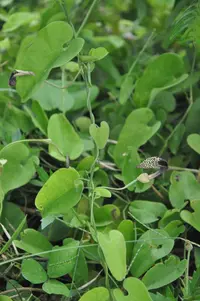
The pipe-shaped flowers emit a faint odor and visually mimic decaying material, which attracts small fly pollinators that become briefly trapped and dusted with pollen before being released.

Specialist caterpillar host

This species is a primary larval host plant for the pipevine swallowtail butterfly (Battus philenor) in the Sonoran Desert, providing both food and chemical defenses that make the caterpillars and adults unpalatable to predators.

Desert-adapted vine

Unlike many tropical relatives, this vine is native to arid regions of the southwestern United States and northern Mexico, where its small leaves, deep roots, and summer growth pattern help it cope with intense heat and limited rainfall.

Botan icon

Did you know?

The curved, tubular flowers function as temporary pitfall traps: downward-pointing hairs guide and hold visiting flies inside the floral tube until the flower is ready to release them, ensuring efficient pollination before the insects escape.

FAQs about Watson's dutchman's pipe

The flowers emit a faint odor and have a tubular shape that traps small flies and gnats temporarily, aiding pollination. It also serves as a larval host plant for some swallowtail butterflies, supporting local insect biodiversity in suitable climates.

Grow Healthy Plants with Botan Care

Keep your plants happy and healthy with plant identification, disease detection, and easy care guidance.

Botan plant care app — identify plants on mobile

Explore More Plants