Provide strong support
Install a sturdy trellis, wire mesh, or fence before planting and gently tie new vines with soft ties so stems can harden in place without kinking or breaking under their own weight.

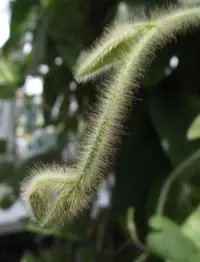
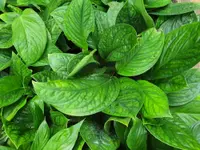
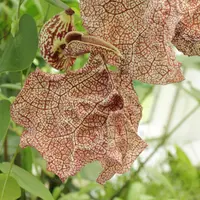
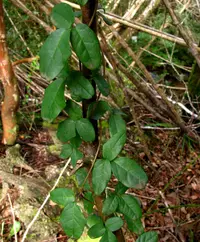
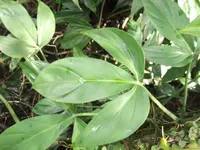
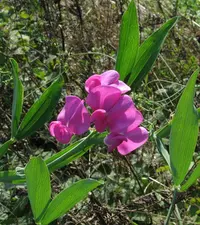
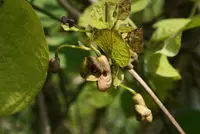
Aristolochia pilosa is a twining perennial vine in the birthwort family, valued mainly for its unusual pipe-shaped flowers and vigorous climbing habit. Stems wind around supports and carry simple, often softly hairy leaves that create a dense green screen. Flowers are typically small but distinctive, attracting specialized pollinating insects.
This species is native to tropical and subtropical regions of Central and South America, where it grows in warm, humid habitats with good drainage. In cultivation, it suits outdoor trellises, fences, or large containers in mild climates. Gardeners who learn how to care for Aristolochia pilosa often focus on providing steady warmth, consistent moisture, and well-drained, fertile soil.

Care Difficulty
Moderate Care

Light Preference
Partial Shade

Water Requirements
Moderate Water

Temperature Preference
Warm Climate

Hardiness Zone
Unknown

Soil Texture
Loamy, Sandy, Organic-rich

Soil pH
Acidic (5.5–6.5), Slightly acidic (6.5–7.0)

Soil Drainage
Moist but well-drained

Fertilization
Minimal (feed rarely)
Scan your plant to receive care tips personalized for your specific plant
Available on iOS and Android
This twining vine prefers bright conditions with some protection from harsh midday sun.
This species prefers evenly moist, not soggy, soil during active growth.
This vine grows best in warm, frost-free conditions with moderate seasonal variation.
This species prefers moderate humidity but adapts fairly well to typical household levels.
Provide loose, well‑drained, organic‑rich soil to support healthy root development.
This vine is suitable for container growing when given stable support and free‑draining conditions.
This vigorous vine grows in average soil but benefits from light feeding in poor or container substrates.
Pruning helps keep Aristolochia pilosa manageable and encourages a tidy, well-covered support.
This twining vine is more often planted out than kept long term in containers, so focus on careful transplanting.
New plants are most often raised from seed, with vegetative methods used where stock plants are available.
This deciduous vine is moderately hardy but benefits from simple root-zone protection in colder regions.

Plant Health Check
Not sure what's wrong with your plant? Check your plant's health inside the app.
This species is a twining liana native to moist tropical forests of Central and South America, where it climbs on shrubs and trees rather than forming self-supporting stems.
The specific epithet pilosa refers to the noticeably hairy foliage, with soft trichomes (fine hairs) on leaves and young stems that likely reduce water loss and offer some protection from herbivores.
In parts of its native range, this plant serves as a larval host for certain swallowtail butterflies in the genus Battus, whose caterpillars feed on the leaves and use the plant’s chemical compounds for their own defense.
This species is a twining vine that climbs by wrapping its stems around nearby structures. It can also sprawl over the ground if no support is available, forming a loose, spreading mat of foliage and stems.
Keep your plants happy and healthy with plant identification, disease detection, and easy care guidance.