Aristolochia fontanesii Care

Aristolochia fontanesii

About Aristolochia fontanesii

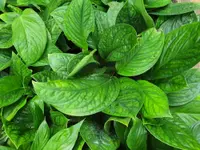
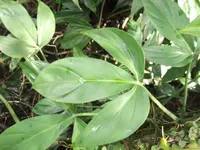
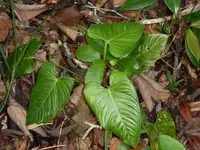
Aristolochia fontanesii is a perennial climbing vine known for its unusual, tubular flowers and dense green foliage. It attaches to supports using twining stems and can form a leafy screen when established.

This species is native to North Africa and parts of the Mediterranean, where it grows in warm, sunny to lightly shaded habitats. In cultivation, it prefers well-drained soil with regular moisture but does not like waterlogged conditions.

Its growth is moderately fast under suitable conditions, yet it can be demanding in cooler or very wet climates. Understanding how to care for Aristolochia fontanesii helps prevent root problems and supports reliable flowering.

Main Plant Requirements

Care Difficulty

Moderate Care

Light Preference

Partial Shade

Water Requirements

Regular Water

Temperature Preference

Warm Climate

Hardiness Zone

9–11

Soil Texture

Loamy, Sandy, Organic-rich

Soil pH

Acidic (5.5–6.5), Slightly acidic (6.5–7.0)

Soil Drainage

Moist but well-drained

Fertilization

Light (every 4–6 weeks)

Get Personalized Care Plan

Scan your plant to receive care tips personalized for your specific plant

Available on iOS and Android

How to Care for the Aristolochia fontanesii

This vigorous vine prefers bright conditions with some protection from harsh midday sun.

  • Provide 4–6 hours of direct morning sun with light afternoon shade; eastern or lightly filtered southern exposure suits Aristolochia fontanesii well.
  • Tolerates partial shade (2–4 hours direct sun) but flowering and growth may slow if light drops below this for long periods.
  • In hot summers, shield from strong sun between 11 a.m. and 4 p.m. to prevent leaf scorch; in winter, maximize exposure by avoiding deep shade.

This species likes consistently moist but not saturated soil, especially during active growth.

  • Water when the top 3–5 cm of soil feels slightly dry, then soak thoroughly so moisture reaches the deeper root zone without leaving standing water.
  • During spring and summer, check moisture 2–3 times per week; in cooler months, allow the surface to dry a bit more to reduce rot risk.
  • Signs of overwatering are yellowing, soft leaves and a sour soil smell; curled, crisp leaves and very light soil indicate underwatering, so increase watering depth.

This vine grows best in warm, frost-free conditions with moderate seasonal variation.

  • Optimal growth occurs around 65–80°F (18–27°C), with steady warmth encouraging vigorous stems and foliage.
  • Tolerates brief dips to about 40°F (4°C) but sustained exposure near or below this, especially frost, can damage or kill young shoots and roots.
  • Handles summer heat up to about 90°F (32°C) if soil stays moist and roots are mulched; in colder climates, protect the base or grow in a sheltered microclimate.

This vine prefers moderate humidity and only briefly tolerates very dry indoor air.

  • Aim for 40–60% humidity; slightly higher levels support steadier growth and flowering.
  • Crisping leaf edges, stalled growth, and spider mite outbreaks indicate air that is too dry.
  • Increase humidity with grouped plants, a nearby open water tray, or a room humidifier rather than misting leaves.

Aristolochia fontanesii grows best in loose, moisture-retentive but sharply drained soil.

  • Use a mix of 40% peat-free compost, 30% fine bark, 20% perlite, and 10% coarse sand for structure and drainage.
  • Aim for slightly acidic to neutral pH around 6.0–7.0, avoiding strongly alkaline or saline conditions.
  • Ensure the mix feels springy, not compacted; coarse particles maintain air pockets around the roots.
  • Avoid heavy clay, waterlogged spots, or pure sand that dries out too fast and restricts stable nutrient uptake.

This species is suitable for container growing when the pot supports its vining habit and root volume.

  • Choose a wide, heavy container to counterbalance the vine and reduce the risk of tipping in wind.
  • Use a deep pot that allows a supportive trellis or obelisk to be anchored firmly into the substrate.
  • Select thicker-walled clay or concrete pots in hot climates to moderate root-zone temperature and moisture swings.

This vine benefits from modest feeding in active growth but does not need heavy fertilizer to perform well.

  • Use a balanced liquid fertilizer (around 10-10-10) at 1/2 strength every 4–6 weeks from spring to late summer.
  • Alternatively, apply a light layer of compost or a low-dose slow-release fertilizer at the start of the growing season.
  • Ensure soil is moist before feeding to avoid root burn and salt buildup in containers.
  • Stop fertilizing Aristolochia fontanesii in fall and winter when growth slows or stops.

Thoughtful pruning keeps Aristolochia fontanesii manageable, encourages flowering, and maintains safe support coverage.

  • Prune in late winter or early spring before vigorous new growth begins.
  • Remove dead, damaged, or rubbing stems first, then thin out weak or overly crowded shoots.
  • Shorten excessively long vines to maintain the desired size and shape on trellises or fences.
  • Use clean, sharp bypass pruners and make angled cuts just above healthy buds or side shoots.

This twining vine is more often planted in the ground, but container-grown plants and young specimens sometimes need transplanting.

  • Look for roots circling the pot drainage holes, water running straight through, or slowed growth as signs it needs a larger container.
  • Plan repotting or transplanting in early spring, about every 2–3 years for potted plants, before strong growth starts.
  • Move to a pot 2–5 cm wider with free-draining, rich soil, keeping the crown at the same depth as before.
  • Handle the root ball gently, loosen only lightly compacted roots, water thoroughly afterward, and shade briefly to reduce stress.

New plants are most reliably raised from seeds, though layering of flexible stems is also possible.

  • Sow fresh seeds in spring in a warm (68–75°F), bright, sheltered spot using a moist, well-drained seed-starting mix.
  • Lightly cover seeds, keep medium evenly moist, and allow several weeks or longer for germination.
  • For simple layering, bend a low, flexible stem to the soil, pin it down, and cover a section with moist mix.
  • Once good roots form on the layered section, cut it from the parent and pot it separately under gentle light and stable moisture.

This vine is moderately cold hardy but benefits from some winter protection in cooler regions.

  • In climates with freezing winters, the top growth may die back while the root system survives.
  • Apply a 5–8 cm mulch layer around the root zone in late fall, keeping mulch slightly away from the stems.
  • In colder zones or exposed sites, grow Aristolochia fontanesii in containers and move them into a frost-free, bright shelter.

Care Tips

Secure climbing support

Install a sturdy trellis, wire mesh, or tensioned wires before planting and gently tie new vines with soft ties every 10–15 cm to guide growth and prevent stems from kinking or breaking in wind.

Manage vigorous spread

Inspect the vine monthly in the growing season and promptly remove or redirect any stems that invade nearby plants or structures, as this species can smother weaker neighbors if left unchecked.

Flowering encouragement

To support abundant flowering, thin out some of the oldest, unproductive stems at the base at the end of winter so light and air reach younger shoots that will carry most of the blooms.

Root zone protection

Mulch the root area with 3–5 cm of composted bark or leaf mold, keeping it a few cm away from the stem, to keep roots cool, conserve moisture, and reduce weed competition when growing Aristolochia fontanesii outdoors.

Caterpillar management

Check foliage regularly for chewing damage and hand-pick large caterpillars or use fine mesh netting where necessary, since this genus is a known host for some butterfly larvae that can defoliate young plants if populations are high.

Common Pests and Diseases

Spider mites

This pest often appears in warm, dry conditions on Aristolochia vines, causing fine webbing and pale, stippled leaves. Symptoms include reduced vigor and partial leaf drop when infestations are heavy.

Solution

Rinse foliage thoroughly with a strong but controlled stream of water, including leaf undersides, then increase humidity and reduce heat stress if possible. For persistent problems, apply insecticidal soap or a horticultural oil labeled for mites every 7–10 days, ensuring full coverage and avoiding applications during high heat.

Leaf miners

These insects tunnel within the leaf tissue, leaving pale, winding trails that can distort or weaken the foliage. Symptoms include irregular mines between leaf veins, often on younger leaves of the vine.

Solution

Remove and discard affected leaves as soon as mines are noticed to interrupt the life cycle. For recurring issues, use a systemic insecticide labeled for leaf miners or apply neem oil regularly to young foliage, combined with good plant vigor through proper watering and fertilizing as part of practical Aristolochia fontanesii care instructions.

Rust

This disease produces small orange, brown, or yellow pustules on the undersides of leaves, sometimes with pale or yellow spots visible on top. Symptoms include premature leaf yellowing and drop when infection is heavy.

Solution

Prune and discard infected leaves promptly and avoid overhead watering to keep foliage dry. Improve air circulation around the vine and, if needed, use a sulfur or copper-based fungicide labeled for rust, applying according to the product directions and repeating as conditions favor disease spread.

Powdery mildew

This disease causes a white, powdery coating on leaves, stems, and sometimes flower stalks, especially in shady, humid conditions with poor airflow. Symptoms include distorted new growth and gradual weakening of the plant if not controlled.

Solution

Increase air movement around the plant, thin overly dense growth, and avoid frequent light misting of foliage. Treat early infections with horticultural oil, potassium bicarbonate, or a labeled fungicide, covering all affected surfaces and repeating as necessary while improving light and airflow conditions.

Interesting Facts

North African specialist

This species is native to North Africa, particularly Algeria and surrounding regions, where it grows in dry, rocky, and often calcareous habitats, showing a strong adaptation to Mediterranean-type climates.

Deceptive fly pollination

The flowers are adapted to trap small flies temporarily, using scent and structure to guide them inside so they pick up or deposit pollen before being released, a classic example of fly-pollinated pipevine strategy expressed in a regionally specialized species.

Distinctive pipe-shaped flowers

Its flowers form curved, tubular structures with a widened mouth, often mottled or patterned, which function as a visual and physical guide for pollinating insects and distinguish it from many other Mediterranean climbers.

FAQs about Aristolochia fontanesii

This species is a twining climber. It wraps its stems around nearby structures or plants rather than sprawling along the ground. Provide a trellis, fence, or sturdy support to keep growth controlled and off the soil.

Grow Healthy Plants with Botan Care

Keep your plants happy and healthy with plant identification, disease detection, and easy care guidance.

Botan plant care app — identify plants on mobile

Explore More Plants