swamp jessamine Care (Gelsemium rankinii)

Also known as: Rankin's trumpetflower
swamp jessamine

About swamp jessamine

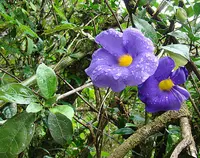
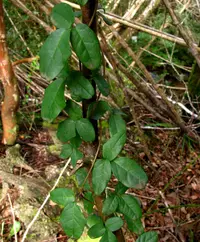
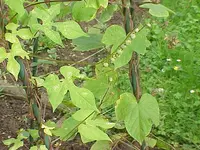
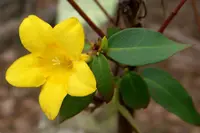
Swamp jessamine (Gelsemium rankinii) is an evergreen, twining vine known for its fragrant yellow, trumpet-shaped flowers and glossy green foliage. It typically grows over supports, fences, or shrubs, forming a dense, refined screen.

This species is native to wet habitats of the southeastern United States, including swamps, stream edges, and moist woodlands. It is adapted to warm, humid climates and performs best in consistently moist but well-drained soil.

It prefers sun to light shade and rewards stable conditions with reliable flowering and steady growth. Once its site and support are set up correctly, it is relatively straightforward to care for swamp jessamine in suitable climates.

Main Plant Requirements

Care Difficulty

Moderate Care

Light Preference

Full Sun

Water Requirements

Regular Water

Temperature Preference

Warm Climate

Hardiness Zone

7–9

Soil Texture

Sandy, Loamy, Organic-rich

Soil pH

Acidic (5.5–6.5), Slightly acidic (6.5–7.0)

Soil Drainage

Moist but well-drained

Fertilization

Minimal (feed rarely)

Get Personalized Care Plan

Scan your plant to receive care tips personalized for your specific plant

Available on iOS and Android

How to Care for the swamp jessamine

This southeastern vine prefers bright outdoor exposures with some protection from harsh afternoon sun.

  • Provide 4–6 hours of direct morning sun with light shade or filtered light after 1–2 pm for best flowering of swamp jessamine.
  • Plant in a site that receives partial shade in hotter regions; too much full afternoon sun can scorch leaves and fade blooms.
  • In cooler climates, choose a warmer, south- or west-facing wall or fence to maximize light, especially from late spring to early fall.

This species prefers evenly moist, not soggy, soil that never stays dry for long periods.

  • Water when the top 3–5 cm of soil feels just starting to dry but still slightly cool and moist underneath, especially in the first 1–2 growing seasons.
  • Ensure soil drains freely yet retains moisture; prolonged puddling, sour smell, or yellowing, soft leaves indicate overwatering and poor drainage.
  • During hot, dry weather, increase frequency if leaves start to droop or curl by late afternoon, then reduce again in cool or rainy periods for Gelsemium rankinii.

This vine grows best in warm, frost-free to lightly frosty climates with mild winters.

  • Optimal growth occurs around 65–85°F (18–29°C), with strongest flowering in consistently warm conditions and good sun exposure.
  • Mature plants can tolerate brief drops to about 20–25°F (-6 to -4°C), but repeated hard freezes may damage stems and reduce next season’s blooms.
  • In hot regions, temperatures above 95°F (35°C) are tolerated if roots are mulched, soil stays evenly moist, and the base has light afternoon shade.

This species prefers moderate humidity but usually adapts to typical outdoor air in most regions.

  • Aim for 40–60% humidity, which suits swamp jessamine in most garden settings.
  • Crisping leaf edges, stalled growth, or buds dropping before opening can indicate air that is too dry.
  • Increase humidity by grouping plants, using mulch to keep root zones evenly moist, or placing a shallow water tray nearby outdoors without waterlogging the soil.

This vine grows best in moist, well-structured soil that stays aerated yet never stagnant.

  • Use a loamy mix with 40–60% organic matter such as compost or leaf mold blended with native soil.
  • Ensure drainage by incorporating coarse sand or fine pine bark to prevent water from pooling around roots.
  • Aim for slightly acidic to neutral pH, around 6.0–7.0, which supports nutrient availability for Gelsemium rankinii.
  • Avoid heavy, compacted clay or any site where water stands for more than 24 hours after rain.

This vine is suitable for container growing when the pot supports its climbing habit and moisture needs.

  • Choose a deep, heavy container (at least 30–40 cm tall) to provide root room and reduce tipping as stems lengthen.
  • Use a sturdy trellis or railing anchored in or next to the pot so the vine’s weight does not pull the container over.
  • Select a thick-walled clay or concrete pot if summers are hot, as these materials buffer root temperature and slow moisture swings.

Gelsemium rankinii is a light feeder that benefits from modest nutrition on poor soils or in containers.

  • Use a balanced slow-release fertilizer (around 10-10-10) or well-rotted compost in spring for swamp jessamine in lean ground.
  • Feed container plants every 6–8 weeks in the growing season with a half-strength balanced liquid fertilizer.
  • Avoid feeding in late fall and winter, when growth slows or stops.
  • Always water before and after fertilizing to reduce root burn risk.

Thoughtful pruning keeps Gelsemium rankinii flowering well and within bounds.

  • Carry out main pruning just after the heaviest flush of bloom, usually late spring or early summer.
  • Remove dead, damaged, or crossing stems with clean, sharp bypass pruners or loppers.
  • Thin congested growth to improve light and air, guiding vines along supports for a tidy framework.
  • Shorten overly long shoots to control size while preserving young flowering wood.

This vine is most often grown in the ground, so care focuses on transplanting rather than frequent repotting.

  • Plan transplanting for late winter or very early spring, before strong new growth starts.
  • Look for signs such as roots circling the pot, water running off quickly, or slowed growth in container-grown plants.
  • Move plants into a hole or container only 1–2 in wider, keeping the root ball intact and at the same depth.
  • Water thoroughly after planting, shade from intense sun for 3–5 days, and keep soil evenly moist to limit transplant shock.

Gelsemium rankinii is usually propagated by semi-ripe cuttings or layering for reliable cloning of desired plants.

  • Take semi-ripe cuttings in late spring to midsummer, 8–10 cm long, from non-flowering shoots.
  • Strip lower leaves, dip the base in rooting hormone, and place in a moist, free-draining mix under bright, indirect light.
  • Maintain 70–75°F and high humidity with a clear cover or propagator until roots form.
  • For simple layering, pin a flexible stem to moist soil in spring, then sever and transplant once well rooted.

In mild climates this species is fairly cold tolerant but benefits from simple winter preparation, especially when young or container-grown.

  • In USDA zones near its hardiness limit, add 5–8 cm of mulch around the root zone, keeping it off the stems.
  • Container plants in colder areas should be moved into a sheltered, frost-free spot with bright light.
  • After severe freezes, delay pruning until spring so damaged tips can help insulate living tissue.

Care Tips

Early trellis training

Install a sturdy trellis, fence, or wire framework at planting time and loosely tie young shoots with soft ties so the vine establishes an orderly structure instead of forming a dense, tangled mass that is difficult to manage later.

Layering for propagation

To clone a vigorous plant, peg a flexible, low stem to the soil surface, lightly wound the underside, cover it with 2–3 cm of moist soil, and sever it from the mother plant once strong new roots have formed after several months.

Selective shoot thinning

Once flowering has finished, thin out a few of the oldest or most congested stems at the base rather than just shortening all growth, which improves air movement through the vine and reduces fungal disease pressure.

Root zone mulching

Maintain a 5–7 cm layer of bark or pine straw mulch over the root zone, keeping it a few cm away from the main stem, to moderate soil temperature, reduce weed competition, and support steady root growth in hot climates.

Cold event protection

In marginal climates, coil the vines gently onto their support and wrap the base with breathable frost cloth or horticultural fleece during forecast freezes to limit stem dieback and support long-term success when growing swamp jessamine.

Common Pests and Diseases

Scale insects

This pest feeds on stems and leaves, appearing as small, rounded or oval bumps that exude sticky honeydew. Symptoms include yellowing foliage, reduced vigor, and sooty mold growing on the honeydew deposits.

Solution

Prune out heavily infested twigs and wipe remaining colonies with a cotton pad dipped in diluted alcohol or insecticidal soap, repeating every 7–10 days as needed. Encourage natural predators outdoors by avoiding broad-spectrum chemicals, and improve plant vigor with proper watering and light to help it tolerate mild infestations.

Aphids

These insects cluster on tender shoot tips and flower buds, sucking sap and causing leaf curling, distortion, and sticky honeydew that can attract sooty mold. New growth may appear stunted and deformed when populations are high.

Solution

Spray shoots with a strong stream of water to dislodge colonies, then apply insecticidal soap or a light horticultural oil, making sure to coat leaf undersides and young stems. Repeat treatments at 5–7 day intervals until populations remain low, and remove badly distorted shoot tips to reduce reinfestation sites.

Spider mites

This pest causes fine stippling on leaves, a dull or bronzed appearance, and in heavy infestations, fine webbing along stems and leaf undersides, especially in hot, dry conditions. Symptoms include leaf drop and general decline if not controlled.

Solution

Rinse foliage thoroughly with water, focusing on leaf undersides, and increase ambient humidity around the plant where possible. For ongoing problems, use horticultural oil or insecticidal soap at labeled rates and repeat applications every 7–10 days while monitoring closely.

Leaf spot

This disease produces small brown, tan, or purplish spots on leaves that may enlarge and coalesce, leading to early leaf drop in humid or poorly ventilated conditions. Symptoms include thinning foliage and an overall stressed appearance during wet periods.

Solution

Remove and discard affected leaves and any fallen debris around the base to reduce pathogen spread, and water at soil level rather than overhead to keep foliage dry. Improve air circulation by selective pruning, and in recurrent cases consider a preventative copper or chlorothalonil fungicide applied according to label directions during prolonged wet weather.

Powdery mildew

This disease shows up as a white to gray powdery coating on leaves and young stems, often in warm days with cool, humid nights. Symptoms include distorted new growth, reduced flowering, and a general decline in plant appearance.

Solution

Increase air movement by thinning congested stems and avoid overhead watering, especially in the evening. Remove heavily affected leaves and, if needed, apply a labeled sulfur or potassium bicarbonate product at the first sign of infection, repeating as directed until new growth emerges clean.

Interesting Facts

Southeastern coastal specialist

This species is naturally restricted to the southeastern coastal plain of the United States, where it favors moist to wet habitats such as swamps, wet thickets, and stream margins from North Carolina to Florida and west to Louisiana.

Evergreen twining habit

Unlike the closely related Carolina jessamine, this vine often retains its foliage year-round in mild climates and forms long, slender, twining stems that climb over shrubs and small trees in its native wetlands.

Narrow tubular flowers

Its yellow flowers are distinctly narrow and tubular compared with other Gelsemium species, an adaptation that suits small specialist pollinators which can access nectar deep within the floral tube.

Botan icon

Did you know?

Gelsemium rankinii was historically described as a distinct species based on its combination of narrow corolla tube, evergreen foliage, and preference for wetter habitats, and modern taxonomic treatments still recognize it as separate from the more widespread Gelsemium sempervirens despite their similar appearance.

FAQs about swamp jessamine

This vine is highly attractive to bees, butterflies, and other pollinating insects, especially when in heavy bloom. Tubular yellow flowers provide nectar and pollen, so it fits well in wildlife-friendly gardens and pollinator corridors.

Grow Healthy Plants with Botan Care

Keep your plants happy and healthy with plant identification, disease detection, and easy care guidance.

Botan plant care app — identify plants on mobile

Explore More Plants