ivyleaf morning-glory Care (Ipomoea hederacea)

Also known as: woolly morning-glory, ivy-leaved morning-glory
ivyleaf morning-glory

About ivyleaf morning-glory

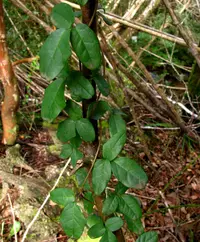
Ivyleaf morning-glory (Ipomoea hederacea) is a fast-growing annual vine known for its slender twining stems and three-lobed, ivy-like leaves. It produces funnel-shaped flowers, often blue or purple, that open in the morning and fade by midday.

This species is native to tropical and subtropical parts of the Americas but now grows widely in warm-temperate regions, often along fences, roadsides, and disturbed ground. It can self-seed freely, so it may spread quickly in suitable conditions.

The plant favors full sun, evenly moist but well-drained soil, and support for climbing. For gardeners who want to know how to care for ivyleaf morning-glory, it is generally easy to grow if given enough light and space.

Main Plant Requirements

Care Difficulty

Easy Care

Light Preference

Full Sun

Water Requirements

Moderate Water

Temperature Preference

Tropical / Frost Sensitive

Hardiness Zone

9–11

Soil Texture

Sandy, Loamy, Organic-rich

Soil pH

Acidic (5.5–6.5), Slightly acidic (6.5–7.0)

Soil Drainage

Well-drained

Fertilization

Light (every 4–6 weeks)

Get Personalized Care Plan

Scan your plant to receive care tips personalized for your specific plant

Available on iOS and Android

How to Care for the ivyleaf morning-glory

This annual vine needs strong light to flower heavily and stay compact.

  • Provide 6–8 hours of direct sun daily; morning sun with light afternoon shade is ideal in hot summers.
  • In cooler or coastal climates, full sun all day is suitable for ivyleaf morning-glory, as long as soil does not dry out severely.
  • Plants in too much shade (under 4 hours direct sun) develop long, weak stems, fewer blooms, and more susceptibility to mildew, especially late in the season.

This fast-growing vine prefers evenly moist but not saturated soil, especially while establishing.

  • Water when the top 2–4 cm of soil feels dry, giving a deep soak so moisture reaches the full root zone, then allow excess to drain away.
  • Use well-drained, loose soil; standing water or heavy clay encourages root rot, yellowing leaves, and weak, floppy growth in Ipomoea hederacea.
  • During hot, windy weather, monitor daily for wilting; crisp, drooping leaves that recover by evening suggest mild underwatering, while limp, yellowing leaves in wet soil indicate overwatering.

This species grows best as a warm-season annual and is very sensitive to cold.

  • Optimal growth occurs around 70–85°F (21–29°C); vines grow slowly below 65°F (18°C) and flowering can be delayed.
  • Avoid temperatures below 50°F (10°C); light frost around 32°F (0°C) typically kills foliage and can damage roots, so sow or plant out only after all frost risk has passed.
  • The plant tolerates short heat spikes up to about 95°F (35°C) if soil moisture is maintained; in extreme heat, expect some midday wilting that should recover as temperatures drop.

Humidity is not a critical factor for ivyleaf morning-glory, which thrives in typical outdoor air conditions.

Ipomoea hederacea prefers light, airy soil that drains quickly yet holds enough moisture for steady growth.

  • Use a sandy or loamy base enriched with 20–30% compost to provide nutrients without becoming dense.
  • Aim for slightly acidic to neutral pH, around 6.0–7.0, which supports nutrient availability for this species.
  • Add 20–30% perlite or coarse sand to increase aeration, preventing roots from sitting in waterlogged pockets.
  • Avoid heavy clay, compacted ground, or sites where water pools after rain, which encourage root rot and weak growth.

This species is suitable for container growing when the pot and support are chosen to match its vigorous climbing habit.

  • Select a deep container at least 25–30 cm tall to accommodate the fast-growing taproot and prevent circling roots.
  • Anchor a trellis or support directly in the potting mix so the container does not tip as vines gain height and mass.
  • Choose a heavier material such as ceramic or thick plastic to reduce drying speed and improve stability in wind-exposed spots.

Balanced feeding supports fast growth and flowering in ivyleaf morning-glory during the warm season.

  • Use a balanced liquid fertilizer (for example 10-10-10 NPK) at 1/2 strength every 2–3 weeks during active growth.
  • On rich garden soil, rely mainly on compost or well-rotted manure mixed in before planting.
  • For containers, a slow-release balanced fertilizer in spring can supply a steady nutrient source.
  • Stop feeding in fall and winter, when plants decline or die back, to avoid weak, soft growth.

Pruning helps manage the vigorous vines and sustain flowering in Ipomoea hederacea.

  • Cut back dead, diseased, or storm-damaged stems whenever noticed, using clean, sharp pruners.
  • In late spring and mid-summer, shorten overly long or tangled shoots to keep the vine within its support.
  • Thin crowded stems so light and air reach inner growth, which supports healthier foliage and more blooms.
  • Remove spent or weak side shoots to guide the plant up trellises or fences in a neat vertical habit.

Young plants respond well to careful transplanting, while older vines are usually grown as seasonal annuals.

  • Transplant outdoors after frost when seedlings have 2–3 true leaves and soil is warm.
  • Move container plants only if roots circle the pot or growth slows, usually once per growing season at most.
  • Shift to a container 2–5 cm wider, keeping the root ball intact to limit transplant shock.
  • Water thoroughly after transplanting, then keep soil evenly moist and shaded for a few days while roots re-establish.

Most Ipomoea hederacea plant care relies on seed propagation rather than cuttings or division.

  • Sow seeds in spring after frost, directly outdoors or in small pots under bright light.
  • Scarify hard seed coats by nicking with a blade or gently rubbing with sandpaper, then soak 12–24 hours.
  • Use a light, well-drained seed mix, keep at 68–75°F, and maintain steady, slightly moist conditions.
  • Thin or transplant seedlings once they have several true leaves, disturbing roots as little as possible.

This vine behaves as a frost-sensitive annual in most climates and usually does not need complex winter care.

  • In regions with frost, expect aboveground growth of Ipomoea hederacea to die after the first hard freeze.
  • Remove dead vines from supports to reduce disease carryover and self-seeding if undesired.
  • In mild, frost-free areas, a light mulch around the root zone can help perennialized plants through cooler spells.

Care Tips

Early support setup

Install trellises, netting, or wires at sowing time so young vines can latch on immediately and form an even, stable vertical screen instead of tangling on the ground.


Tip pruning control

Pinch out the very end of the leading shoots once vines reach the top of their support to encourage side-branching and a denser flowering display rather than long, bare stems.

Volunteer seed management

Check the soil around plants at the end of the season and remove or lightly cultivate in fallen seed capsules to limit self-seeding and keep next year’s growth where you actually want it.

Timed deadheading

Snip off spent flowers and forming seed pods every few days during peak season to push the plant to produce more blooms instead of diverting energy into seed production.

Selective companion spacing

Plant vigorous companions such as tall grasses or sturdy annuals at a slight distance so vines can scramble through for support without smothering more delicate neighbors, which makes caring for ivyleaf morning-glory easier over the season.

Common Pests and Diseases

Leaf miners

This pest tunnels inside the leaves, creating winding, pale trails that distort the foliage and reduce photosynthesis.

Solution

Remove and discard affected leaves as soon as trails appear, then encourage new, healthy growth with good watering and nutrition; in larger outdoor plantings, use floating row covers early in the season and, if needed, apply a spinosad-based product targeted to leaf miners according to label directions.

Spider mites

These insects are tiny sap-feeders that cause fine stippling, dulling of the foliage, and sometimes light webbing on the undersides of leaves, especially in hot, dry conditions.

Solution

Spray both sides of the leaves with a firm stream of water every few days, increase ambient humidity if plants are in a very dry, protected site, and use insecticidal soap or horticultural oil on repeated 7–10 day intervals until no new damage appears.

Aphids

This pest clusters on tender shoot tips and flower stalks, sucking sap and causing curling, sticky leaves coated with honeydew and sometimes sooty mold.

Solution

Dislodge colonies with a strong water spray, pinch back heavily infested shoot tips, encourage or introduce natural enemies such as lady beetles outdoors, and if populations stay high, apply insecticidal soap or neem oil thoroughly to young growth.

Rust

This disease produces small, orange to brown pustules on the undersides of leaves, which may yellow and drop prematurely in warm, humid weather.

Solution

Remove and destroy infected leaves, avoid overhead watering so foliage dries quickly, space vines for good airflow on their supports, and where rust is persistent, use a labeled copper or sulfur fungicide at the first sign of new spots.

Fungal leaf spot

Symptoms include small, water-soaked or brown circular lesions on leaves that can coalesce into larger dead patches, often following extended wet or humid periods.

Solution

Improve air movement around vines, water at the base early in the day to keep foliage dry, promptly remove spotted leaves, and for recurring issues consider applying a preventative broad-spectrum ornamental fungicide according to label instructions while conditions favor disease.

Interesting Facts

Distinctive leaf dimorphism

This species often shows two leaf shapes on the same plant, with juvenile leaves more rounded and mature leaves becoming distinctly 3‑lobed and ivy-like, a feature used to separate it from other annual morning-glory species in the field.

Twining growth behavior

The stems twine around supports in a consistent direction (typically counterclockwise when viewed from above), which is a stable trait used in studies of climbing plant mechanics and vine behavior in the bindweed family Convolvulaceae.

Agricultural weed status

Although ornamental, it is considered an agricultural weed in several warm-temperate and subtropical regions, where its fast growth and dense foliage can interfere with row crops such as soybean and maize by competing for light and space.

Botan icon

Did you know?

This species is believed to have originated in tropical to subtropical regions of the Americas, but through accidental and intentional introduction it now occurs as a naturalized or invasive plant across much of the eastern United States, parts of Europe, Asia, and other warm regions, making it a useful model for studying plant range expansion and global weed spread.

FAQs about ivyleaf morning-glory

This species often self-seeds heavily and can spread quickly, especially in warm regions and disturbed soils. Gardeners should monitor seedlings, thin unwanted vines, and remove seed capsules before they drop to prevent unwanted spread and potential weedy behavior.

Grow Healthy Plants with Botan Care

Keep your plants happy and healthy with plant identification, disease detection, and easy care guidance.

Botan plant care app — identify plants on mobile

Explore More Plants