Sturdy staking
Install discreet stakes or a low wire grid in early spring so the tall, heavy flowering stems have support before they reach full height and are exposed to wind or heavy rain.

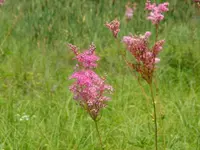
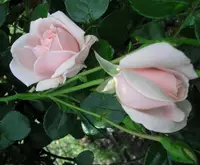
Queen of the prairie (Filipendula rubra) is a hardy, clump-forming perennial known for its tall stems topped with fluffy, pink flower clusters. It creates a bold vertical accent in borders and naturalistic plantings.
This species is native to moist prairies and meadows in eastern and central North America, where it grows in full sun and consistently damp soils. It is generally easy to grow if given enough moisture and space, but can struggle in dry or compacted ground.
Gardeners who learn how to care for queen of the prairie usually find it long-lived and reliable, especially in rain gardens and other moisture-retentive sites.

Care Difficulty
Moderate Care

Light Preference
Full Sun

Water Requirements
Keep Soil Moist

Temperature Preference
Cold Hardy

Hardiness Zone
3–8

Soil Texture
Loamy, Clay, Organic-rich

Soil pH
Acidic (5.5–6.5), Slightly acidic (6.5–7.0)

Soil Drainage
Moist but well-drained

Fertilization
Minimal (feed rarely)
Scan your plant to receive care tips personalized for your specific plant
Available on iOS and Android
Filipendula rubra performs best in consistently bright outdoor conditions with some protection from harsh afternoon sun.
This moisture-loving perennial needs steadily damp soil but not standing water.
This hardy perennial tolerates a wide temperature range but grows most vigorously in mild summers and cold winters.
This moisture-loving perennial prefers consistently humid conditions similar to a damp meadow.
Filipendula rubra thrives in deep, moist, humus-rich soil that stays evenly damp but not stagnant.
This tall, moisture-demanding species can be grown in large outdoor containers but requires careful moisture and stability management.
This moisture-loving perennial benefits from moderate feeding to support tall growth and flowering.
Pruning supports strong flowering and keeps Filipendula rubra tidy in garden borders.
This tall, clump-forming perennial is usually grown in the ground and is moved only when necessary.
Filipendula rubra is most often propagated by division, with seeds used for larger-scale planting.
This species is generally cold hardy in much of the US and needs only simple winter care.

Plant Health Check
Not sure what's wrong with your plant? Check your plant's health inside the app.
This species is native to wet prairies, fens, and moist meadows of eastern North America, where it often grows in calcium-rich, consistently damp soils that many other perennials cannot tolerate.
The large, plume-like flower clusters are made of many tiny, sterile-looking florets with extended stamens, which give the inflorescences a soft, foamy appearance and attract a wide range of pollinating insects.
It spreads by underground rhizomes, allowing one original plant to form sizeable colonies over time, which can stabilize moist soil and create a distinct structural layer in wetland plant communities.

In some restored North American tallgrass prairies, queen of the prairie is deliberately reintroduced as a flagship species because its showy blooms help draw public attention to the conservation value of rare wetland and prairie ecosystems.
This species spreads steadily by rhizomes and self-seeding, forming large clumps over time. It is vigorous but usually manageable. Edge beds, divide clumps every few years, and remove unwanted seedlings to keep it contained.
Keep your plants happy and healthy with plant identification, disease detection, and easy care guidance.